You have a budget that could just as easily buy a week at an all-inclusive beachfront resort as a seven-night Caribbean cruise. On paper, both promise sun, sea and someone else doing the cooking. In practice, they are two completely different holidays, and picking the wrong one can leave you either bored or exhausted.
The resort vs cruise question comes down to how you like your days to unfold. In this article, we break down the core difference between the two styles, compare what each one actually costs once the extras are added, and look at pacing, who each suits best, and the booking windows that get you the best price. We also untangle what is genuinely included in the food and drink, then finish with a clear bottom line so you can match the style to the way you actually travel.
Resort vs Cruise: The Core Difference in One Trip
The simplest way to understand the resort vs cruise choice is to picture where you sleep each night. A resort week is one base. You unpack once, and for the next seven days the beach, the pool and the restaurants stay exactly where you left them. By day three you know which sun loungers get the afternoon shade and which bartender makes your drink the way you like it.
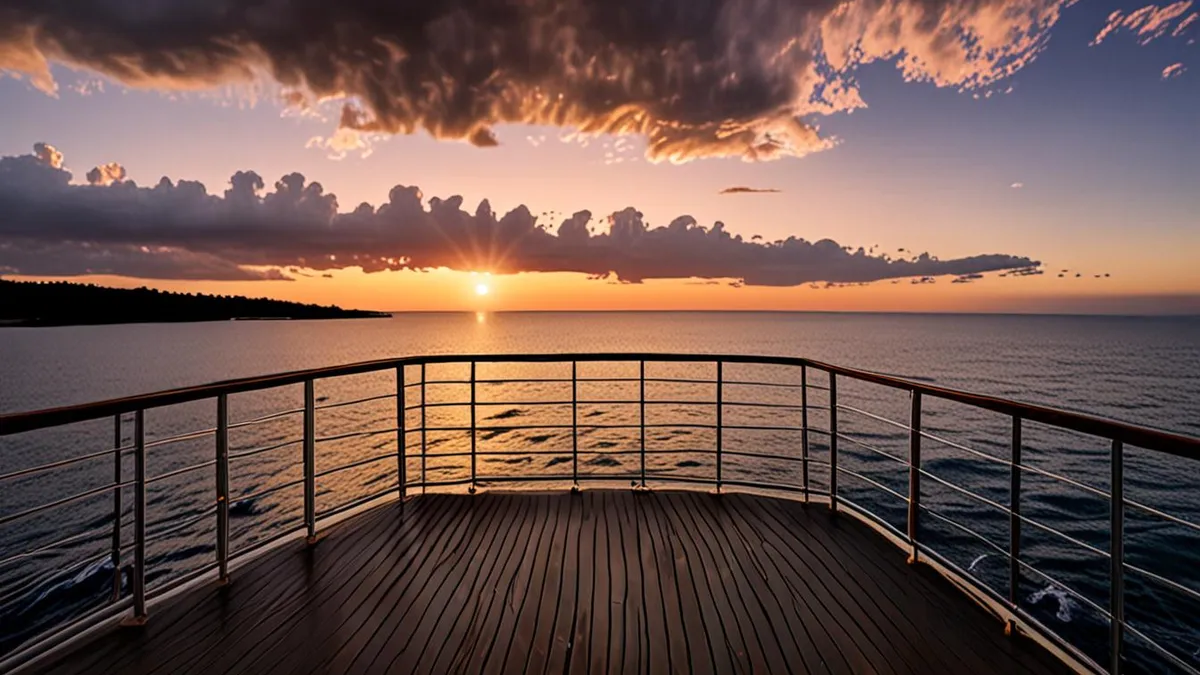
A cruise is a moving base. The ship itself becomes your hotel, and it travels with you. A typical one-week Caribbean sailing calls at 3–4 ports of call, with 2–3 sea days in between to recover, lounge by the pool and enjoy the ship. You wake up somewhere new every couple of mornings, but you never have to repack.
Depth or breadth?
That is the real decision. A resort gives you depth: one place, explored slowly, with routines that quickly feel like your own. A cruise gives you breadth: several islands sampled in a single week, each one a brief taste rather than a full immersion. Neither is better, but they suit very different moods. If the idea of waking up in a new port excites you, lean cruise. If you would rather master one beach than sample four, lean resort. Decide this first, because almost every other detail — cost, pacing, food — flows from it.
What Each Style Actually Costs
Headline prices for resorts and cruises often look similar, but they include different things, so it pays to know what you are actually comparing. A 7-night Caribbean cruise in a balcony cabin typically runs about $1,200–$2,500 per person, with main dining room meals included in the fare. A 7-night all-inclusive resort stay typically costs about $1,500–$3,500 per person, with food and drinks bundled in. For a deeper breakdown of what drives resort pricing, see how much all-inclusive resorts really cost in 2025.
Neither figure is the whole story, though. Both styles have extras that can quietly add hundreds to your final bill, and they are not the same extras.
- Shore excursions: these commonly cost $50–$150 per person per port, so a family of four doing an excursion at every port can add a four-figure sum to a cruise fare.
- Resort spa treatments: a single massage at an all-inclusive can cost as much as a full day of cruise drinks, so budget for these separately if a spa day is part of your plan.
- Off-resort tours: day trips like catamaran sails or island tours are booked locally or through the resort and are rarely covered by the all-inclusive package.
- Premium drinks: top-shelf spirits and fine wines at resorts often sit outside the standard package, and speciality drinks packages on cruises are a daily add-on.
Finally, always compare total trip cost including flights. Many Caribbean cruises start in a home port that requires a separate flight, and sometimes an overnight hotel stay, before you even board. A resort with a direct flight from your home airport can end up cheaper than a cruise with a lower headline fare.
Pacing: Slow Days vs Port Hopping
This is where the two styles feel most different day to day. At a resort, the schedule is yours. Late breakfasts stretch into pool afternoons, nobody announces a departure time, and if you decide to skip the planned activities and read by the water instead, nothing changes. Some people find this blissful; others find it, by day four, a little too quiet.
Life on the ship’s clock
Cruise days run on the ship’s timetable. Port days start early, sometimes with tender times that require you to be up and queued before breakfast. The ship leaves at a fixed hour, so a day ashore is a countdown, and returning late is not an option. The result is a packed rhythm: excursion in the morning, back on board by late afternoon, dinner, show, repeat. It is energizing, but it is not restful in the way a resort week is.
What about sea days?
Between ports, a one-week Caribbean cruise typically includes 2–3 sea days, when the ship sails and there is no land in sight. For readers who love downtime, these are the best days of the trip: long breakfasts, deck chairs, a good book and nowhere to be. Port-hoppers who need a new destination and daily stimulation, though, may find them slow. If the thought of a full day at sea makes you restless rather than relaxed, that is a useful signal about which style fits you.
Who Each Style Suits Best
Choosing between a resort and a cruise often comes down less to budget and more to who you are traveling with. Each style has a natural audience, and knowing where you fit saves a lot of second-guessing.
Resorts work best for travelers who want to settle in and stay put. Couples looking for one romantic base can pick a room, claim a favorite stretch of beach and never think about logistics again. Families benefit enormously too: kids’ clubs, connected rooms and a fenced-in environment mean less supervision stress and more actual relaxation for parents. And if you are the type who hates living out of a suitcase, one unpacking session for the whole week is a genuine selling point.
Cruises shine for a different crowd. If your group spans grandparents, parents and teenagers, a ship gives everyone something to do without anyone being bored. First-timers who cannot decide between islands can sample several in one trip and figure out which they would return to. And if you love live shows, trivia nights and a rotating schedule of activities, the onboard entertainment alone can justify the fare.
One important caveat for adults-only seekers: most large cruise ships are family-heavy, with kids’ programs, water slides and character experiences built into the design. Adults who want genuine quiet usually find it at adults-only resorts instead, where the pool deck stays peaceful all day. If that tension sounds familiar, it helps to read up on how to choose between a family resort and an adults-only resort before committing either way.
- Couples: A resort lets you book a swim-up suite or oceanfront room and enjoy it every single day, while a cruise cabin is mostly a place to sleep between activities.
- Families with young kids: Resort kids’ clubs typically run by age group all day, whereas ship kids’ clubs shine most during sea days when there is time to use them properly.
- Multi-generation groups: On a cruise, older relatives can rest during port days while younger ones go ashore, then reunite for dinner — a built-in flexibility resorts cannot replicate.
- Entertainment lovers: Cruise ships offer Broadway-style shows, casinos and themed nights, so evenings are planned for you rather than self-directed.
- Adults-only travelers: Some cruise lines run ships or dedicated decks aimed at adults, but the majority of mega-ships cater heavily to families, so check the specific ship, not just the line.
Timing and Booking Windows
Timing matters for both styles, but in different ways. The Caribbean high season runs from mid-December through mid-April, and it applies equally to cruises and resorts: expect fuller flights, livelier pools and peak pricing. Hurricane season peaks between August and October, which is when cruise lines may reroute itineraries and resorts may offer their deepest discounts. Neither option is off-limits in that window — you just need to accept some weather risk and consider travel insurance.
For cruises, the sweet spot for booking is typically 6–12 months ahead. That window gives you the widest choice of cabins, from midship balconies to quieter decks away from the elevators, and fares are usually at their most reasonable. Waiting can occasionally pay off — cruise prices can drop last minute as sailing dates approach and cabins sit unsold — but that gamble only works if you are flexible about cabin type, room location and even itinerary.
Resorts follow a tighter rhythm. All-inclusive properties are typically best booked 3–6 months ahead, and if you are targeting peak winter weeks — think Christmas, New Year or February school break — push that to 6–9 months ahead. Unlike cruises, resort rates rarely drop last minute in high season, because the rooms simply sell out. If you want a deeper breakdown of how seasons shift prices, this guide to the best time to book resorts covers the patterns in detail.
- Shoulder seasons: Late April–May and late November often combine good weather with lower rates and thinner crowds at both resorts and on ships.
- Cabin location: Booking a cruise early lets you pick a midship, lower-deck cabin for less motion, a real consideration for first-time cruisers worried about seasickness.
- Resort room categories: The best room types at popular all-inclusives — swim-out suites, oceanfront corners — sell out first, so early booking is about choice as much as price.
- Group travel: Larger parties, whether a family reunion on a ship or a villa-style resort booking, need even longer lead times to secure adjacent rooms or cabins.
- Hurricane-season cruises: Ships can and do change ports when storms threaten, so book that season only if a swapped itinerary would not ruin the trip for you.
Food, Drink and Included Extras
Food and drink are where the two styles look most similar on paper and most different in practice. Both promise that meals are “included” — but what that phrase covers varies a lot, and it is the single most common source of surprise charges on a holiday bill.
At an all-inclusive resort, the bundle is genuinely broad. Your upfront price typically covers meals across the main restaurants, most drinks including many cocktails, and a rotating lineup of activities like non-motorized watersports, fitness classes and evening entertainment. You can eat and drink all day without ever reaching for your wallet, which makes budgeting refreshingly simple: the price you booked is close to the price you pay.
What a cruise fare actually includes
A cruise fare covers your cabin and main dining — the buffet and the main dining room are included every day. But the moment you want something beyond that, charges start appearing. Speciality restaurants carry per-person fees, alcohol and soft drinks usually cost extra unless you buy a drinks package, and even room service items can carry a charge on some lines. Add a service gratuity to the picture, and a “meals included” cruise can still generate a meaningful onboard bill.
That is why comparing headline prices is misleading unless you check what is genuinely included. A resort quote that bundles drinks and activities may effectively beat a cheaper-looking cruise fare once you add speciality dining, a soda package and gratuities. Before booking either, read the inclusions list carefully and price out what you would realistically spend on top. Ten minutes of homework here prevents the most common budgeting mistake travelers make when weighing these two styles against each other.
The Bottom Line
So which one is it? If your budget covers either style — roughly $1,200–$2,500 per person for a week on a cruise ship or $1,500–$3,500 for an all-inclusive resort — the deciding factor is not money. It is how you want your days to feel. Resorts win on relaxation, one-base simplicity and predictable all-inclusive pricing. Cruises win on variety, covering several islands in a single week at a lower typical cost.
The rest comes down to fit. Match the style to your pacing preference: slow, unscheduled days point to a resort, while port-hopping energy points to a ship. Match it to your group type, whether that is a couple, a big family reunion or a mixed-age crowd. And match it to your booking window, since cruises and resorts reward planning on different timelines. If this helped you decide, leave a comment or share the article.