You find a lodge online that promises an eco-friendly stay in the middle of nature. The photos show solar panels, the text mentions sustainability, and the booking page uses the word “green” more than once. But nothing tells you whether any of it is real. Most travelers have no way to tell which sustainability claims at eco lodges are backed by genuine practice and which are simply marketing language.
This article walks you through what to look for, step by step. We start with why the word “eco” on a lodge website means very little on its own, then cover which certifications actually carry weight, and which energy and water claims you can verify in person. We also look at food sourcing, staff hiring and community impact, how to separate real wildlife conservation from storytelling, and the specific questions worth asking before you book. By the end, you will know how to read a lodge’s sustainability claims with confidence and check them on site.
Why ‘Eco’ on a Lodge Website Means Very Little
Here is the uncomfortable truth about the label “eco lodge”: it means nothing in a legal sense. There is no official definition, no regulator checking who qualifies, and no penalty for using the word incorrectly. A property with a single recycling bin can market itself exactly the same way as one that runs on solar power, treats its own wastewater and funds a local conservation program. The word is free, and plenty of marketing teams know it.
Vague words, no evidence
Watch for claims like “eco-friendly”, “green” or “nature-positive”. On their own, these phrases carry no verifiable meaning. They describe an intention, not a practice, and they come with no numbers, no certificates and no named partners. If a website uses these words but never mentions a percentage, a certification body or a supplier by name, that gap is worth noticing.
There is also a subtler problem: a lodge can be genuinely sustainable in one area while ignoring others. A property might generate real renewable energy yet send all its waste to a landfill, or run a beautiful low-impact building while offering wildlife experiences that disturb the animals it claims to protect. Sustainability is not a single switch; it is a set of separate practices, and a lodge may excel in one and fail in another.
That is why this article focuses on concrete things you can check before booking and during your stay, rather than on impressions or wording. You do not need to be an expert to ask useful questions or to look for evidence that either exists or does not.
Certifications: Which Eco Labels Actually Mean Something
Certifications are the closest thing the travel industry has to proof, but only if they come from an independent body. Recognized third-party schemes include Green Key, Green Globe, EarthCheck and LEED. Each of these audits properties against defined standards, and each can be verified externally, which is what separates them from a logo a lodge designed itself.
When you see a certification on a lodge’s website, check two things: that it is current, and that it is displayed with a certificate number or expiry date. A certification that lapsed two years ago is not a certification. A logo without any identifying details could be anything.
Be equally careful with self-created “eco awards” or logos invented by the lodge itself. These are not independent verification; they are marketing. There is nothing stopping a property from designing an attractive badge, calling it an “eco excellence award” and displaying it prominently. If the awarding body is the lodge, the award tells you nothing.
If a lodge claims certification, take one extra step and confirm it directly:
- Email the certifying body. Most schemes respond to verification requests and can tell you whether a specific property holds a current certificate.
- Check the public member list. Reputable certification schemes publish searchable directories of certified members on their own websites, so you can look the lodge up yourself in a few minutes.
- Note the scope of the certification. Some schemes certify the whole property, while others certify only specific buildings or operations, so a certificate may cover less than the marketing suggests.
A lodge that is genuinely certified will usually make verification easy, because independent proof is one of its selling points. Hesitation or vague answers when you ask for a certificate number are themselves a signal.
Energy and Water: The Claims You Can Verify on Site
Energy and water are the easiest sustainability claims to verify, because the infrastructure is physical and often visible. Start with energy. In a well-designed eco lodge, solar panels typically cover 20-60% of the property’s energy needs. That is a useful range to know, because it tells you two things: solar alone rarely powers everything, and a credible lodge should be able to tell you what covers the rest, whether that is a generator, grid electricity or another renewable source. Ask the simple question: what percentage of your energy is renewable, and what supplies the remainder?
Look for the infrastructure yourself
On site, much of the evidence is in plain sight. Look for visible solar arrays on roofs or in dedicated fields, heat pumps for water heating, LED lighting throughout the property, low-flow showers and dual-flush toilets in the rooms. None of these alone proves anything, but their absence while the website talks about sustainability tells you a great deal. A lodge serious about energy and water efficiency usually has the hardware to show for it.
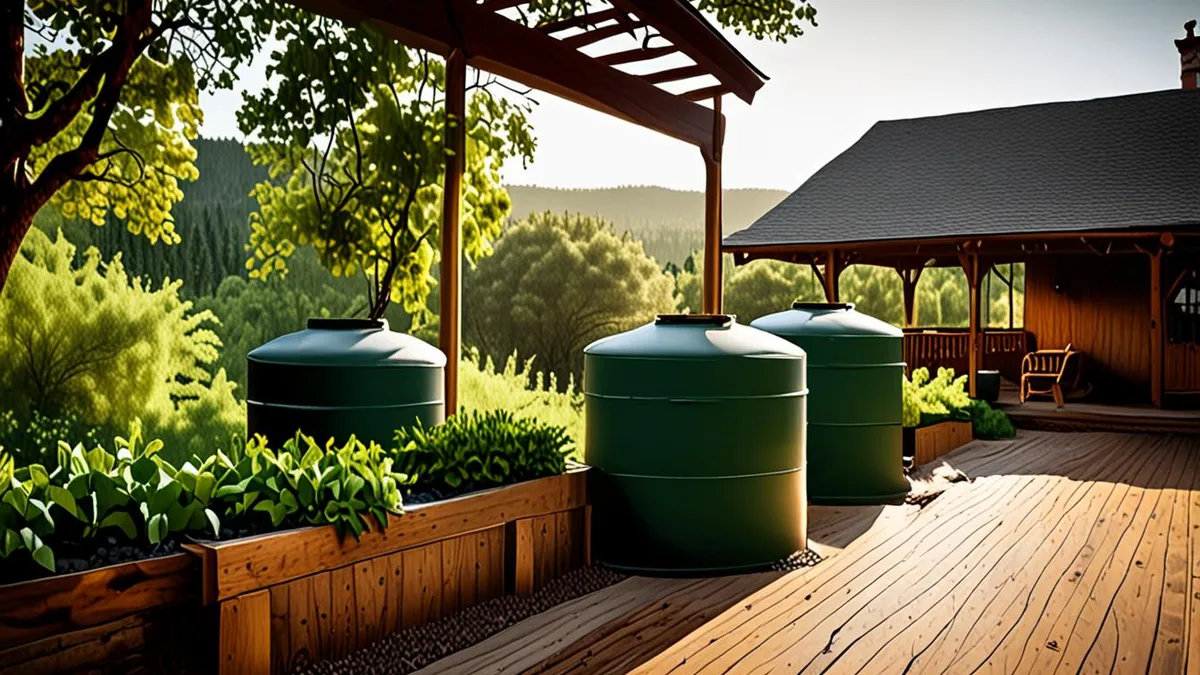
Water claims deserve the same scrutiny. Credible operations commonly cut water use by 30-50% versus comparable conventional properties, and importantly, they can explain how. Ask which measures they use: low-flow fixtures, rainwater collection, laundry practices, irrigation choices. A staff member who can answer specifically is showing you an operation that tracks its own consumption.
Two more questions round out the picture. First, ask whether greywater from showers and sinks is treated and reused, for example for irrigation, since this is a common and verifiable practice at genuine eco lodges. Second, ask whether linen and towel changes are opt-in rather than daily by default. A lodge that changes sheets every day regardless of guest preference is making a choice that contradicts its own water claims, and it is worth knowing which policy applies before you arrive.
Food, Staff and Community: Claims About Local Impact
Food is one of the easiest areas to test a lodge’s sustainability claims, because kitchens need suppliers and suppliers leave a paper trail. Start with a simple question: what share of your ingredients comes from the local area? For remote lodges, a realistic benchmark is 50-80% of ingredients sourced locally. If the answer is vague or the lodge claims everything is local, ask follow-up questions, since some staples simply cannot be grown on site.
The next check is whether the lodge can actually name its sources. A credible kitchen talks about specific farms, fisheries, dairies or cooperatives it buys from, and often lists them on the menu or website. The phrase “local where possible” is a red flag on its own; it usually means no one has measured anything.
Staffing tells a similar story. In credible operations, locally hired staff make up the majority of the workforce, often 70% or more, including roles beyond housekeeping such as guides, managers and chefs. If you want a clearer picture of how a lodge runs day to day, our guide to daily lodge staff and service routines covers what a well-run team looks like in practice.
Community claims deserve the closest reading of all. Vague promises to “support the local community” mean little without specifics. Genuine commitments look like this:
- A named school, clinic or training center with a stated funding amount and the year the support began, so you can judge whether the commitment is long-term or a one-off donation.
- A conservation or reforestation program run with a named local organization, ideally with a figure for how much of your nightly rate goes to it.
- Purchase agreements with named villages or producer groups, which show money flowing to the community through regular trade rather than one-time charity.
- Employment or training schemes with details, such as how many local staff have moved into management roles or completed hospitality training.
Ask for one concrete example with a date attached. If the lodge can produce it, the community claim probably holds up.
Wildlife and Conservation Claims: How to Separate Fact from Storytelling
Wildlife is where eco marketing gets most emotional, and most slippery. Phrases like “we protect the elephants” or “our reserve is a sanctuary” sound impressive but mean nothing on their own. Real protection work involves a partner organization, a named reserve or a monitoring program, and a lodge making honest claims will say so plainly. If the website mentions wildlife without naming any of these, treat it as storytelling until proven otherwise.
How animals are treated on site is just as revealing. Ethical wildlife practices are easy to describe because they are consistent across the industry: no captive animal interactions, no feeding of wild animals, and guided viewing that keeps respectful distances. If a lodge offers elephant rides, photo sessions with sedated animals or the chance to hold wildlife, its conservation claims are already contradicted by its own activities.
Asking for evidence that holds up
A lodge doing genuine work will have something to show you. That might be species monitoring data collected over several seasons, a research partnership with a university or conservation group, or published contributions to a named reserve. You do not need to read a scientific paper; you just need to see that numbers, dates and partner names exist somewhere beyond the brochure.
Following the conservation fee
Many lodges add a conservation or community fee to your bill, and that is fair, as long as you can trace it. Ask exactly where the money goes, who administers it and which projects it funded in the past year. A credible lodge answers without hesitation. A vague answer, or a fee that seems to vanish into general operations, tells you the “conservation” label is doing marketing work rather than field work.
Questions to Ask Before You Book an Eco Lodge
Emailing a lodge before booking is the single most effective greenwashing filter you have. Credible operators answer specific questions with specific numbers, and many publish an annual sustainability report or at least updated figures within the last 12 months. If a lodge cannot or will not produce current data, that silence is an answer in itself. The process takes an afternoon of your time and can save you from paying a premium for marketing rather than genuine practice. Here is how to run the check.
- Request the latest sustainability figures or report. Ask for the most recent version and note its date; anything older than the last 12 months should prompt a follow-up question about why the data has not been refreshed.
- Ask what percentage of the lodge’s energy is renewable. A straightforward question that separates lodges with real solar or other renewable systems from those that merely display a few panels for photos.
- Ask how wastewater is handled. Look for a concrete answer, such as treatment on site, greywater reuse for gardens or connection to a proper system, rather than reassurances that “everything is eco”.
- Ask who employs the staff. Find out whether the lodge hires locally and in what proportions, and whether staff are directly employed or contracted through outside companies. A vague reply here often means the numbers would not look good.
- Compare answers across several lodges in the same region. Asking the same questions to three or four properties quickly shows which ones respond with numbers and which ones respond with adjectives.
- Read recent guest reviews for sustainability mentions specifically. Search reviews for words like solar, waste, water or community, since guests often describe what is actually on site, not just comfort and service.
Keep your questions short and identical for every lodge so the answers are easy to compare side by side. Send them in a single email rather than spreading them over several messages, and note how long each property takes to reply, since slow or evasive responses are informative too. A property that replies with figures, dates and named partners has done the work; one that replies with enthusiasm and no details has given you your answer before you arrive.
Reading Eco Claims with Confidence
So what do you do when a lodge calls itself eco-friendly and you have no way to tell which claims are real? You look for proof, not adjectives. Real eco lodges back the word ‘eco’ with current certifications, published figures and named local partners. Vague phrases like ‘green’ or ‘nature-positive’ with no numbers behind them are the clearest sign of greenwashing.
The good news is that sustainability is verifiable. Energy, water, food sourcing, staffing and wildlife practices can all be checked with a certification number, a percentage or a supplier’s name. Direct questions before booking reveal far more than any website wording, and a lodge that answers with data is usually one that delivers on site. With these checks, you can choose a lodge whose sustainability claims hold up when you arrive. If this helped you plan a trip, leave a comment or share the article with a fellow traveler.