You’ve booked the lodge, the dates are set, and now the questions start creeping in. What time can you actually walk through the door? How will you get into your room if reception is closed? And which house rules might surprise you halfway through your stay? If any of this sounds familiar, you’re not alone—lodge check-in works differently from a standard hotel, and the details matter.
This guide walks you through the whole process, step by step. We’ll cover what actually happens at check-in, the typical arrival and departure windows, and how room access works, whether you get a physical key, a key card or a door code sent by email. We’ll also look at the house rules most lodges enforce, what to do if you arrive early or need a late checkout, and how to handle check-in smoothly when you’re traveling as a large group. By the end, you’ll know exactly what to expect and what to arrange before you leave home.
What Happens at Lodge Check-In
Lodge check-in is usually a straightforward process, but it covers more ground than you might expect. At the desk, staff will confirm your booking, register the name of every guest staying in the room or cabin, and take payment of any remaining balance. Many lodges also place a deposit hold on your card at this point, so it’s worth knowing roughly how much room you have on it before you arrive.
More Than Just Paperwork
This is also the moment when staff typically fill you in on how the lodge runs day to day. Expect a short briefing on meal times, activity schedules, and the best way to reach someone if you need help during your stay—whether that’s a phone number, a radio, or simply knocking on a specific door. Pay attention here, because at smaller lodges this chat often replaces the printed information pack you’d find in a hotel room.
One key difference from hotels: smaller lodges frequently have limited front-desk hours, with staff juggling kitchen, housekeeping and guiding duties. That means the whole process can take 10 to 20 minutes rather than the quick swipe-and-go of a city hotel. Arrive with your booking confirmation handy and everyone’s details ready, and you’ll move through it quickly—and start your stay on the right foot.
Arrival Times: When You Can Check In and Out
Most lodges work to a standard check-in window of 3:00 pm to 5:00 pm, with check-out by 10:00 am to 11:00 am the following day. These windows exist for a practical reason: housekeeping needs the gap between departures and arrivals to turn rooms around, and at smaller lodges the cleaning crew is often just one or two people.
If You’re Arriving Late or Early
If your flight lands at midnight or your drive gets you there at 8:00 pm, don’t just show up and hope. Contact the lodge in advance so staff can stay late to meet you, or so they can set up self check-in with a door code. Lodges that aren’t staffed around the clock genuinely can’t help travelers who arrive unannounced outside hours, and you could find yourself standing outside a locked door with no signal to call anyone.
Remote lodges take this a step further and will often ask for an estimated arrival time when you book. That’s not them being nosy—dinner service and staff shifts are usually planned around when guests turn up. If a long drive or a delayed flight throws off your schedule, a quick call or message keeps everyone on track. It also helps the kitchen know whether to hold dinner for you or serve you something later. For a sense of what the team will be doing while you’re settling in, our guide to what lodge staff actually do each day gives a useful behind-the-scenes picture.
Keys, Key Codes and Getting Into Your Room
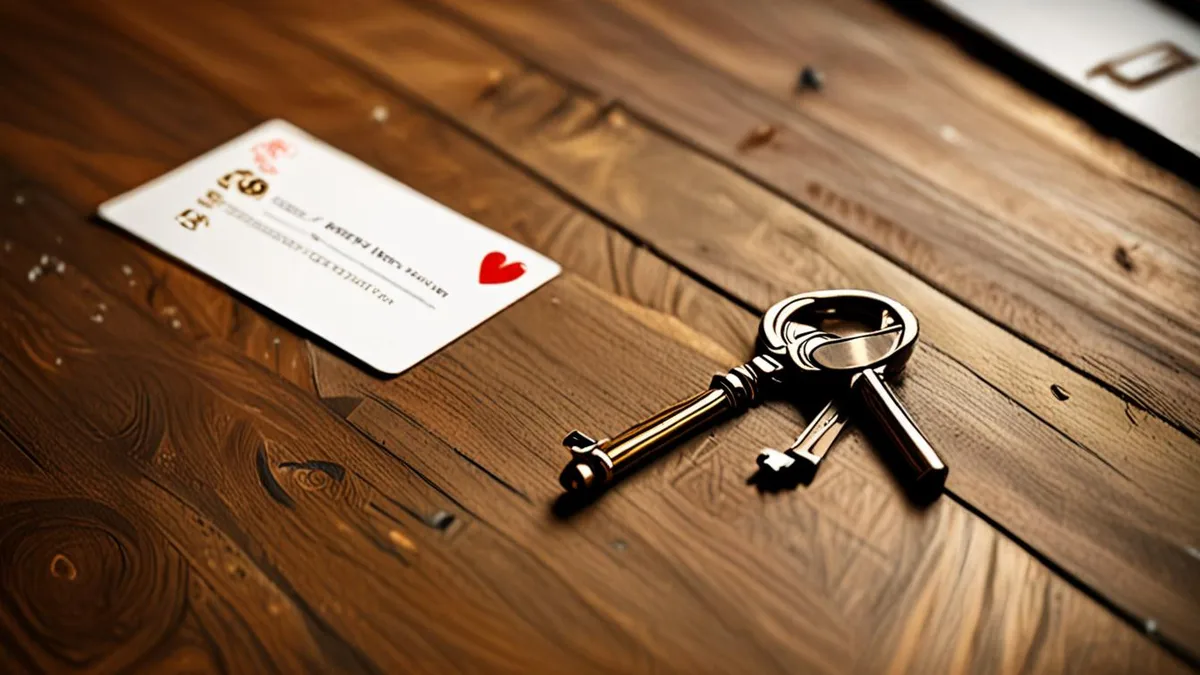
Getting into your room at a lodge usually works one of three ways, and it’s worth knowing which applies to your booking before you travel. The most traditional option is a physical key collected from reception when you check in. Many lodges have moved to key cards, which work the same way but slot into your wallet. The third option is a door code, emailed to you before arrival—this is standard at lodges that offer self check-in outside staffed hours.
If your lodge uses self check-in, the codes and arrival instructions typically arrive 1 to 7 days before your stay. Read them as soon as they land, because they often include gate codes, parking details and directions that are easy to miss in the dark. And check your spam folder—arrival emails get filtered more often than you’d think. If nothing has arrived by the day before you travel, contact the lodge directly rather than waiting.
Lost keys are the detail that catches people out. At many lodges, a lost key means a lock change, and that cost can be passed on to you. In shared lodges where several people come and go, agree on where the spare key lives before your first night. Whether meals and extras are bundled into your rate also varies by property, so it’s worth reading up on what all-inclusive lodges usually include before you book.
- Some lodges issue one key per room rather than one per guest, so couples and families often need to coordinate who carries it each day.
- Key cards at eco-focused lodges sometimes control the electricity too, meaning lights and heating only work while the card is in its slot by the door.
- Door codes are usually changed between guests, so a code from a previous stay at the same lodge won’t work—always use the one from your most recent email.
- If you’re staying in a shared lodge with a lockable private room, photograph where you’ve stored the spare key so anyone in your group can find it at short notice.
House Rules You Should Expect at Check-In
Quiet hours are the rule guests break most often, usually by accident. Because most lodge rooms share thin timber walls, sound carries far more than in a concrete hotel. Many lodges set quiet hours from around 10:00 pm to 7:00 am, which means no loud conversations on porches, no music and no late-night kitchen clatter. If you are a night owl, plan to move your gathering to an outdoor fire pit or lounge if the lodge allows it.
Fire safety is taken seriously in wooden buildings, and for good reason. Rules on smoking, candles and open flames are usually strict, and breaking them can mean more than a warning. Some lodges ban smoking everywhere except a designated spot in the parking area, and open fires are often limited to approved fire pits only.
Before you pack, run through the less obvious rules that vary widely between lodges:
- Visitor limits: Day guests are usually restricted to common areas, and every person staying overnight must be registered at check-in, so a friend sleeping over needs to be added to the booking.
- Pets: Policies range from warmly welcoming to a firm no, often with cleaning fees or restrictions on leaving animals alone in rooms, so check the details before booking.
- Shoes: Many lodges, especially those with wooden floors or ski-season traffic, ask guests to remove outdoor shoes at the entrance and sometimes provide slippers or shoe racks.
- Shared kitchens: If your lodge has a guest kitchen, it may have set hours, labeling rules for your food, or a requirement to clean as you go.
A quick email to the lodge covering these points takes two minutes and prevents awkward conversations at the front desk. If you are traveling with a dog, it is especially worth reading up on pet-friendly lodge policies before you commit to a booking.
Early Arrivals and Late Departures
If your drive or flight gets you to the lodge well before the standard check-in window, do not assume you can simply drop your bags and disappear. Ask about early check-in when you book, not when you pull into the parking lot. Lodges often say yes if the room happened to be free the night before, because housekeeping has had time to turn it around.
The answer varies a lot between properties. Some lodges charge an extra fee to guarantee early access to your room, while others simply offer luggage storage until your room is ready so you can start exploring unencumbered. Neither option is wrong, but knowing which one applies helps you plan your first afternoon. It is also worth asking whether the fee is per room or per person, since that can make a noticeable difference for couples versus families traveling together.
What to do while you wait
Arriving before your room is ready is rarely a problem in practice. The lounge, spa area and grounds are typically open to arriving guests, so you can have a coffee, take a swim or walk a trail while housekeeping finishes. If you have a long drive ahead of you, this buffer can actually be a pleasant start to the trip rather than a delay. Many guests use the time to ask staff about dinner reservations, trail conditions or the best spots for watching the sunset, which is far easier to do in person than over the phone.
Staying past check-out
The same logic works in reverse at the end of your stay. Late check-out is often possible on request, sometimes for an extra charge, and lodges are usually more flexible when the room is free the following night. If you have an evening flight, ask at check-in what the latest realistic departure time is, and confirm whether luggage storage is available after you hand over the key. A few hours of extra time can let you squeeze in one last hike, a spa treatment or a leisurely lunch without watching the clock, and it takes the pressure off an otherwise rushed morning.
Checking In as a Large Group
Checking in as a group of six or more is a different exercise from checking in as a couple. The front desk now needs to register every guest by name, and doing that from memory or a scribbled text message slows everything down. Send the lodge a complete name list before arrival so registration takes minutes rather than an hour, and the whole group can head to their rooms together instead of queueing one by one.
Decide who is in charge
Lodges almost always want a single point of contact, not eight people with eight opinions. Before you travel, agree on who holds the master key or door code and who speaks to staff about billing, meal times or problems in the rooms. This person should also carry the booking confirmation and handle any deposit paperwork. It sounds bureaucratic, but it prevents the classic scene of four group members arguing at the desk about who paid for what.
Brief everyone on the rules
Groups are usually held to stricter quiet hours and damage deposit terms than regular guests, simply because more people means more noise and more wear. With thin timber walls, a group gathering in one room will be heard in every room next to it, so late-night conversations belong in the lounge, not the bedrooms. Damage deposits may be higher or collected per person, so find out the amount and how it is refunded.
The fix is simple: a short message to the whole group before departure covering quiet hours, visitor limits and the deposit arrangement. Five minutes of briefing saves you from being the group the lodge remembers for the wrong reasons.
Quick Recap Before You Arrive
So, what does lodge check-in actually involve? Plan to arrive during the typical mid-afternoon check-in window and check out by 10:00 am to 11:00 am. If your travel plans fall outside those hours, let the lodge know ahead of time so staff or self check-in can be arranged.
Access comes by physical key, key card or a door code, and lodges with self check-in usually send instructions 1 to 7 days before your stay, so keep an eye on your inbox. House rules tend to cover quiet hours from about 10:00 pm, smoking and open fires, limits on visitors, and registering every overnight guest. Early arrivals, late departures and group check-ins all run smoothly when you arrange them with the lodge in advance. If this helped you feel more prepared, leave a comment or share the article with a fellow traveler.