Arriving in a new city by rail feels great until you’re standing on the platform with two suitcases, a tired family and no idea how far your hotel actually is. Most rail travelers want the same thing: a hotel near a train station close enough to walk to, but they worry about train noise, rough streets after dark and paying extra just for the location.
The good news is that those worries are manageable with a bit of planning. This guide covers why staying near the station makes rail travel easier, how to set a realistic walking distance, how to handle noise, what to check about safety and comfort, when to book and what station-side rooms typically cost, and how to match your hotel to your rail itinerary. Follow these steps and the station becomes a convenience instead of a compromise.
Why a Hotel Near a Train Station Makes Rail Travel Easier
After five or six hours on a train, the last thing anyone wants is another transfer. Dragging your bags into a taxi queue or down a metro staircase adds twenty minutes of hassle to a day that’s already been long. A hotel within a 5-10 minute walk of the platform turns arrival into something almost pleasant: you step off the train, follow the signs, and you’re unpacking before you’d otherwise have found the taxi rank.
There’s a common fear that station districts are far from the sights. In most mid-sized European cities, that’s simply not true. Station areas usually sit within 1-2 km of the historic center, so you lose very little sightseeing time by basing yourself there. In many cases you can walk to the old town in the same time a taxi would take to find your hotel.
Early starts and late arrivals
Station-side hotels also shine at the edges of the day. An early departure becomes a calm, unhurried walk instead of a scramble for transport that may not run yet. A late arrival means your bed is a short stroll from the platform, even if your train slides in after dinner. For anyone hopping between cities, this convenience compounds with every stop on the itinerary.
How Close Is Close Enough? Setting Your Walking Distance
Distance matters more than most travelers expect. Too far and you lose the convenience; too close and you’re sleeping next to the departure board. The sweet spot for most people is 300-800 meters from the station. That puts you close enough for easy arrivals and departures while keeping the heaviest foot traffic and station noise a comfortable distance from your door. It also leaves room to find a quieter street without adding a real burden to your walk.
But raw distance can mislead you. A hotel 600 meters away can take longer to reach than one 400 meters away if the walking route forces you across a busy ring road or through a confusing underpass. Before booking, trace the actual pedestrian route on a map from the station entrance to the hotel door, not the straight-line distance. Street-view imagery helps here too: you can spot crossings, construction zones and narrow sidewalks before you arrive with bags in hand.
- Side of the tracks: Some stations split a neighborhood in two, and your arrival platform may leave you on the opposite side from the hotel. Confirm which side your hotel sits on so you don’t drag bags over bridges or through underpasses with your luggage in tow.
- Where the entrance faces: A hotel whose main entrance opens onto the station forecourt will be noisier at the door than one set a street back, even at the same distance.
- Terrain and obstacles: Steps, cobbles and steep slopes on the route matter when you’re rolling a heavy suitcase, so check what the walk actually looks like.
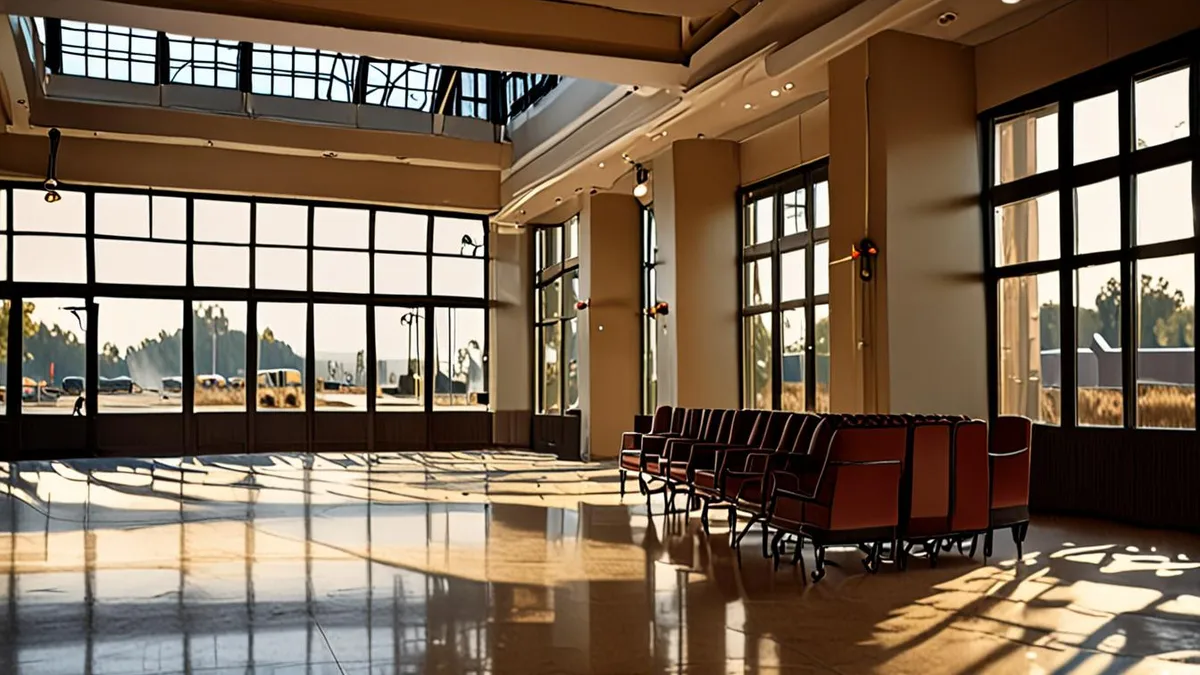
Dealing With Noise in Station-Neighborhood Hotels
Noise is the number one complaint about station-side hotels, and it’s also the most solvable. Rooms facing the station front typically cost 10-25% more than rear-facing rooms, which means the quiet option is often the cheaper one. When booking, request a courtyard or rear-facing room: you’ll save money and sleep better, and you’ll still be a short walk from the platforms.
Know your city’s schedule
How much noise you actually get depends on where you are. Regional services and night trains often run until 23:00-01:00, so a front-facing room in a city with overnight rail traffic can mean broken sleep. Before booking, check the departure boards or schedules for your specific station to see how late trains actually run. A city whose last service leaves at 23:00 is a very different proposition from one with night trains rumbling through.
Reviews are your best tool here, but read them with purpose. Filter for keywords like “quiet room” and “double glazing” rather than trusting star ratings alone. A four-star hotel with thin windows facing the tracks will cost you more sleep than a modest three-star with proper double glazing at the back. Recent reviews also tell you whether the hotel has done any soundproofing work, which older properties sometimes do without updating their photos. A few minutes of targeted reading before you book pays off every night of your stay.
Checking Safety and Comfort in Station Districts
Station districts across Europe share a familiar pattern: lively and convenient by day, quieter and sometimes rougher after dark. The area around a major station usually has two sides, and they can feel like different neighborhoods. One side typically slopes toward the old town, with restaurants, lit shopfronts and steady foot traffic well into the evening. The other side often faces the freight yard, the long-distance bus terminal or a stretch of office blocks that empties out after business hours.
When you compare hotels on a map, note which side of the station they sit on. A room on the old-town side means your evening walk back from dinner passes cafés and other pedestrians rather than shuttered warehouses. It also means the route from the platform to your bed stays on the livelier side of the tracks.
Two filters do most of the work here: a 24-hour reception desk and a guest rating of 8.0 or higher. A staffed desk matters more in station districts than elsewhere, because late-arriving trains and early departures are exactly why you chose this location in the first place. Beyond those filters, recent reviews are your best tool for judging how a block feels at night. Use them like this:
- Search reviews from the last few months for phrases like “walked back at night” or “felt safe in the evening,” since a hotel’s block can change with new construction or seasonal crowds.
- Pay attention to comments about the specific street name, not just the hotel, because two properties on opposite sides of the same square can sit in very different atmospheres.
- Note whether reviewers traveling solo or with families mention comfort after dark, as their experience is a better guide than a business traveler who arrived by taxi.
- Look for mentions of well-lit entrances and staff who help with luggage at late hours, which signal that the property is used to rail arrivals at all times.
When to Book and What Station-Side Hotels Cost
Station-district hotels are among the first rooms to sell out in any European city. Business travelers grab them for convenience, and rail travelers like you compete for the same handful of well-located beds. For summer trips, book two to three months ahead; for shoulder season, four to six weeks is usually enough. Leave it later and you will often find only the noisiest or priciest rooms left.
Timing your trip around rates
If your dates are flexible, aim for April-May or September-October. These shoulder-season months offer the best balance of rates and availability for rail-based city trips, and station-side rooms that sell out weeks in advance in July are often easy to find in May. This timing pairs especially well with weekend hotels across Europe, where short rail breaks depend on getting a well-located room without paying high-season prices.
Offsetting the location premium
Expect to pay more for a hotel a short walk from the platforms than for one across town. That premium buys you real time and comfort, so it is usually worth it. Still, there are easy ways to trim the cost. Choose a rear-facing room rather than one looking at the station front, since the view rarely justifies the difference in price. Consider smaller independent properties one street back from the station square, where rates tend to be softer and the walk to the platforms adds only a minute or two.
Check cancellation terms carefully when booking far ahead. Flexible rates on station-side hotels can cost noticeably more, but they protect you if a rail schedule change shifts your plans.
Matching the Hotel to Your Rail Itinerary
The right station-side hotel depends on what kind of rail trip you are taking. On a multi-city itinerary, base yourself near the main station rather than a suburban stop. Main stations have direct intercity platforms, so you step off one train and walk to your bed. A suburban stop might look closer on the map, but it can force a connection with a change of trains and platforms, which is exactly what you want to avoid at the end of a travel day with bags in hand.
Day trippers get the biggest payoff from station-side lodging. Regional trains often start running early, and staying nearby means you can catch an 8:00-9:00 departure without setting an aggressive alarm or sprinting through an unfamiliar city. That extra hour of margin is what turns a day trip into a relaxed outing instead of a race against the timetable.
Families have a few extra boxes to tick before booking, and it is worth checking them against a resource on Europe hotels for family routes before you commit. Beyond that, keep these details in mind:
- Confirm the hotel has a lift, since many station-district buildings are older conversions where a fourth-floor walk-up with strollers and suitcases is no joke.
- Ask about luggage storage hours, because station-side hotels see early check-outs and late arrivals constantly, and some only store bags during staffed daytime hours.
- Check whether family rooms face the rear of the property, giving children a quieter sleep even when evening services are still arriving.
- Look for hotels that offer an early breakfast or a takeaway option, which pairs well with catching a morning regional train before the dining room opens fully.
Wrapping Up Your Station-Side Hotel Choice
Choosing a hotel near a train station comes down to a simple balance: convenience on one side, noise and cost on the other. Aim for a property 300-800 meters from the platforms, request a rear-facing room, and filter for guest ratings of 8.0 or higher. Book 2-3 months ahead for summer trips, or 4-6 weeks for shoulder season, and you’ll have the best station-district options to choose from rather than whatever is left.
Get that balance right, and the worries that stop most travelers from booking station-side simply fade. You walk off the platform, roll your bag a few minutes, and you’re in your room — no taxis, no transfers, no stress. The station stops being a noise risk and becomes the biggest convenience of your trip. If this guide helped you plan, leave a comment or share it with a fellow rail traveler.