You’ve probably scrolled past listings that call themselves lodge, cabin and resort almost interchangeably, which makes booking feel like guesswork. A “mountain lodge” with no restaurant, a “resort” that’s really four cabins, a “cabin” with a spa — the labels get stretched, and the lodge vs cabin vs resort question stays unanswered until you arrive somewhere that isn’t what you pictured.
This guide gives you a clear way to choose before you pay. We’ll start with what actually separates the three stay types, then look at when each one fits: lodges for guided nature trips, cabins for privacy and self-catering, resorts for everything under one roof. From there, we’ll compare costs, space and service side by side, match each stay type to common destinations like mountains, coasts and deserts, and finish with a quick decision summary you can use while booking.
What Actually Separates a Lodge, a Cabin and a Resort
The fastest way to tell these stay types apart is to look at who does the work during your trip. Each one sits at a different point on the service spectrum, and that single factor shapes your budget, your daily routine and how much you’ll interact with staff.
The three stay types, defined
A lodge is a staffed property built around a shared main building, usually with a restaurant on site and guided activities on offer. You’ll find lodges in nature settings most often: near national parks, on ranch land, at the base of ski slopes. You sleep in a room, but the heart of the place is the communal space where meals and planning happen.
A cabin is a self-contained, self-catering rental. Most come with a kitchen, many have a fireplace, and daily housekeeping typically isn’t part of the deal. You arrive, stock the fridge and run the place yourself for the length of your stay.
A resort is a large property with multiple amenities on site: pools, a spa, several restaurants and organized kids’ programs. The idea is that you rarely need to leave, because everything from lunch to entertainment is steps from your room.
Service level is the real divider
Strip away the marketing labels and the practical difference comes down to service level. A resort is full service, a lodge is half service, and a cabin is self service. Once you know how much handling you want on a trip, the right stay type usually picks itself.
When a Lodge Is the Right Choice
Choose a lodge when the destination itself is the activity. If you’re traveling for wildlife viewing, ranch riding, skiing or remote nature that requires staff, guides and local knowledge, a lodge puts all of that at your doorstep. Guides know where animals congregate, which trails are in good condition and how to keep a day in the backcountry safe and rewarding — things you can’t easily arrange on your own.
Meals and what’s included
Lodges suit travelers who want meals handled. Most include breakfast, and many offer dinner as well, often served in that shared main building where you’ll swap notes with other guests about the day’s sightings or runs. If you’d rather not shop, cook or drive to restaurants after a long day outdoors, this built-in structure is a real advantage.
Budget and booking window
Expect $150–$600 per night in most regions, with luxury safari- or ranch-style lodges exceeding $800. Ski areas sit at the higher end of that range during peak winter months. If a mountain trip is on your radar, it helps to see how a specific market prices out — for example, comparing ski lodges in Whistler gives you a feel for what peak-season rates and inclusions look like in a major resort town.
Timing matters as much as budget. Book ski-season lodges (December–March) and summer lodges (June–September) 3–6 months ahead for the best rates and availability. The most sought-after properties in popular regions fill early, and last-minute options tend to be the priciest rooms left over.
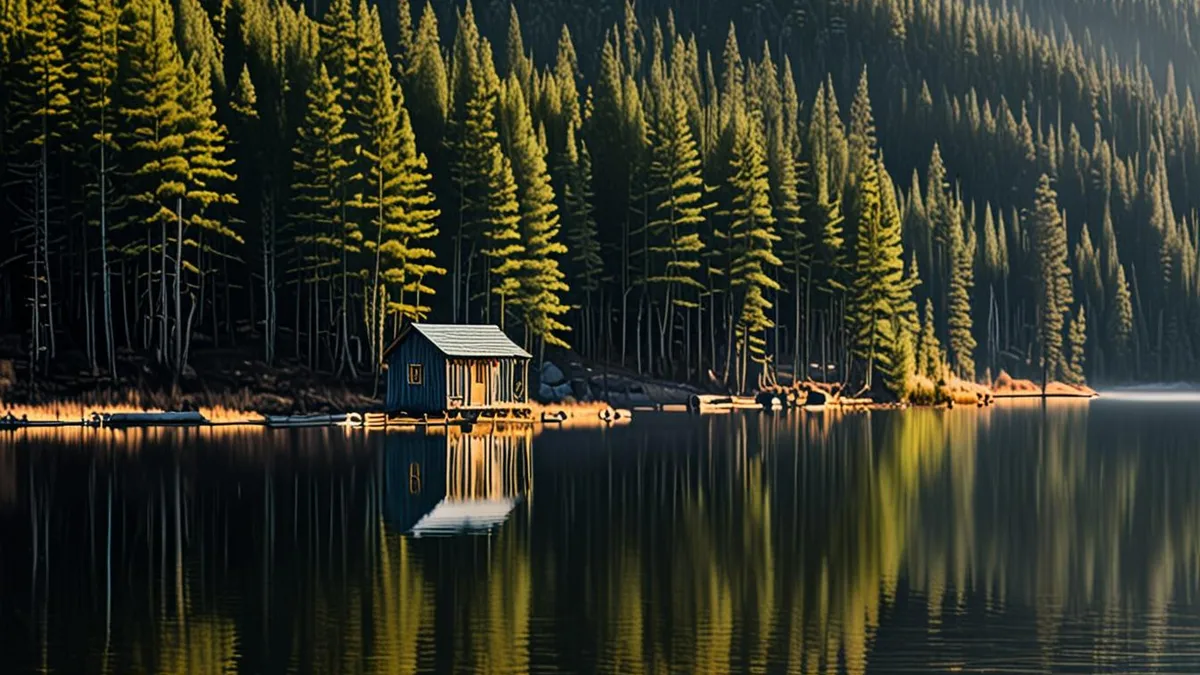
When a Cabin Fits Your Trip Better
Pick a cabin when privacy, cooking your own meals and longer stays top your list. Cabins usually cost $100–$300 per night, and the math gets better the longer you stay, especially when you factor in the money saved by eating in. A week of self-catering in a cabin can cost less than a few nights at a full-service property.
Who cabins suit best
Cabins work best for families or groups who value space and a kitchen over daily service. Everyone gets room to spread out, meals happen on your schedule rather than a restaurant’s, and there’s no awkwardness about kids being kids. The trade-off is that you handle everything yourself: no housekeeping, no concierge, no one to book your activities. For travelers who find that freedom rather than a burden, it’s the ideal setup.
Minimum stays and timing
Watch for 2–3 night minimum stays on weekends and holidays, which are common for cabin rentals. Owners use minimums to protect turnover between guests, so a one-night stopover usually isn’t possible on popular dates. Plan around it or look at midweek dates instead.
Timing also moves the price. Off-peak months outside July–August bring the lowest cabin rates and the widest availability, so if your dates are flexible, shifting the trip by a few weeks can make a noticeable difference to the total. Check cancellation terms before booking, since self-catering rentals often have stricter policies than hotels.
When a Resort Makes Sense
A resort is the right pick when your priority is convenience rather than exploration. Everything sits within the same property: pools, a spa, several restaurants, and often a kids’ club, all bundled into the nightly rate. You unpack once, and you don’t need a car, reservations elsewhere, or a daily plan unless you want one.
Budget roughly $200 to well over $1,000 per night, depending on the destination and the season. A beachfront resort in the Caribbean during high season sits at the top of that range, while a mainland resort in the shoulder season can come in near the bottom. Always check what the rate actually includes before comparing it to other stay types.
Where resorts shine
Resorts work best for three kinds of trips. Beach holidays top the list, since the pool, ocean access, bars and restaurants are the whole point of the stay. Family trips with young children are another strong fit: supervised kids’ programs give parents real downtime, and multiple dining options handle picky eaters without leaving the property. Finally, short stays of two or three nights suit resorts well, because you can arrive, relax, and never feel you’re missing out by not exploring the wider area.
One practical tip: compare what’s bundled, not just the headline price. Meals, airport transfers, non-motorized water sports and daily activities can add up quickly if you pay for them separately at a lodge or cabin. A resort rate that looks higher on paper may work out cheaper once you add up what you’d otherwise spend on dinners, taxis and entertainment. Ask for a full breakdown of inclusions when you book, and check whether gratuities, resort fees or Wi-Fi are charged on top.
Comparing Costs, Space and Service Side by Side
When you line the three stay types up next to each other, the differences become clear fast. The price ladder runs from cabins at the low end, to lodges in the middle, to resorts at the top, with full-service resorts ranging from about $200 to well over $1,000 per night depending on destination. Luxury versions of all three sit above their usual ranges, but the general pattern holds in most regions.
Space works differently than price. Cabins usually give you the most private square footage for your money, since you rent an entire standalone building. Lodges trade some privacy for shared spaces like lounges, fireplaces and dining rooms. Resorts maximize amenities, not room size, so your room may be smaller than a cabin while the property around it is enormous.
Service is the other big divider. Resorts offer daily housekeeping and full dining. Lodges typically provide half board, meaning breakfast is included and dinner is often available. Cabins give you none of that: you clean, cook and manage your own stay.
- Housekeeping: cabin rentals often skip mid-stay cleans entirely, so a week-long stay may mean taking out your own trash and making your own bed daily.
- Meals: a lodge’s included breakfast and often dinner can meaningfully cut your daily food bill compared with eating every meal at restaurants, which adds up quickly for families.
- Dining choice: a resort with several restaurants means you can switch cuisine night to night without leaving the property, something neither a cabin nor most lodges can match.
- Hidden costs: resorts may add resort fees, while cabins often charge cleaning fees, so check the total before comparing headline rates.
Matching the Stay Type to Your Destination
The right stay type often depends less on your budget than on where you’re going. Each destination rewards a different style of property, and matching the two makes a trip noticeably smoother.
Mountains, Coast and Remote Country
Mountain and ski destinations belong to lodges from December through March. You get slope-side convenience, meals included and staff who know the terrain. Book well ahead for winter, since the best-positioned lodges fill first. Cabins still work here for independent groups who want their own base and don’t mind driving or walking to the lifts.
Coastal and tropical trips are more flexible. Resorts and lodges both fit, depending on how structured you want your days. If you’d rather have someone organize snorkeling, sunset cruises and dinner every evening, a resort or lodge handles that for you. Cabins suit travelers who plan their own boat trips and beach days and want a quiet place to cook and sleep between excursions.
Desert and remote regions are the clearest case: lodges are often the only staffed option for miles, so lock in your dates early and confirm availability directly with the property. If you’re considering the American Southwest, our guide to Utah desert lodges covers what to expect in that region.
Traveling With Kids?
Family composition matters too. Trips with young children lean toward resorts, where kids’ clubs and shallow pools handle entertainment while parents actually rest. Families with older kids often prefer cabins instead: teenagers don’t need supervised programs, and everyone appreciates the extra space and a kitchen for flexible meals.
One more tip for families: check how far the property sits from the activities you care about. A slightly smaller room ten minutes from the slopes or beach usually beats a sprawling place that adds an hour of driving to every outing.
The Quick Decision Summary
If listings keep blurring the lines, here’s the short version: choose a lodge for guided nature trips with meals included, a cabin for privacy and cooking your own food, and a resort when you want pools, dining and kids’ amenities all in one place. The real difference is service level, not the name on the booking site.
On price, cabins usually run $100–$300 per night, lodges $150–$600, and resorts $200 to well over $1,000 depending on destination. For peak-season trips, book 3–6 months ahead, and keep in mind that cabins often ask for a 2–3 night minimum on weekends and holidays. If this helped you sort out your next booking, leave a comment or share the article with a fellow traveler.