Many travelers book ranch lodge stays expecting a hotel with horses attached, then get a surprise on day one: breakfast at 7 am, Wranglers calling you out for morning chores, and a schedule built around cattle rather than a spa menu. A working ranch is a real operation first and a lodge second, and that is exactly what makes it memorable.
This guide walks through what a working ranch visit actually involves. We will cover what a working ranch lodge really is, what a typical day looks like from sunrise to campfire, which activities you can expect beyond the saddle, when to book and what stays typically cost, how meals and accommodation work, how to prepare for your first trip, and whether this kind of vacation suits you at all. Read on before you reserve, and you will arrive with the right expectations.
What a Working Ranch Lodge Actually Is
A working ranch lodge sits on a property with genuine cattle or horse operations, which means the ranching you see is real. When wranglers sort cattle in the corral or move a herd to fresh pasture, that work happens whether guests are watching or not. Nothing is staged for entertainment, and that authenticity is the main reason travelers choose this style of stay over a conventional resort.
Where you sleep
Stay types range widely. At one end of the scale you find rustic bunkhouse-style rooms with shared bathrooms and simple furnishings; at the other, upscale guest suites with private porches, quality bedding and en-suite bathrooms. What does not change with price is the daily routine: a guest in the most expensive suite eats at the same table and follows the same ranch rhythm as everyone else.
A different kind of schedule
Unlike a resort or a safari lodge, the day is not built around a fixed activity timetable. Livestock needs come first, so rides and cattle work shift with the season, the weather and what the animals require. Guests who want structure love this; guests who want a poolside cocktail on demand should know that the ranch sets the pace, not the visitor.
A Typical Day at a Ranch Lodge
Ranch days follow a steady rhythm, and once you understand it, the early starts stop feeling like a shock. Most lodges run on roughly the same pattern, though details shift with the season, the weather and the ranch’s workload. Guests usually join morning chores between 7 and 8 am, and the whole day is built around the horses and cattle rather than a fixed activity timetable. Here is how a typical day unfolds.
- Wake up and breakfast. Days start early, with breakfast usually served around 7 to 8 am, often before or right after morning chores. Coffee is typically on early, and many guests watch the wranglers bring horses in from the pasture while they eat. It is a relaxed, unhurried start even though the clock says otherwise.
- Morning ride or cattle work. The main block of activity usually fills the morning, with a 2 to 3 hour horseback ride or a chance to help with a cattle move. This is when the best light, the coolest temperatures and the most energy coincide, so ranches make the most of it. Groups stay small, so wranglers can match pace to each rider.
- Lunch and midday downtime. After the morning session everyone gathers for lunch, then the ranch goes quiet. Horses rest, guests nap, read or explore on foot, and nobody is pressured to fill the hours. This break is a real feature of ranch life, not a gap in the schedule.
- Afternoon options. Later in the day you can usually choose a second ride, fishing, hiking or an arena session to work on your riding skills. Those who prefer to sit out can do so without missing anything essential.
- Dinner and evening. Dinner brings everyone together, often family-style, and the night typically closes with conversation around a campfire, wrapping up around 9 pm. Early to bed is normal here, because the next morning comes quickly.
If you like the idea of meals and activities bundled into one rate, the rhythm will feel familiar. Our guide to what all-inclusive lodges usually include explains how that model compares. At a ranch, though, the schedule ultimately belongs to the livestock, so flexibility is part of the charm. If a cattle drive runs long or a storm rolls in, plans shift, and most guests find that spontaneity becomes one of their favorite parts of the stay.
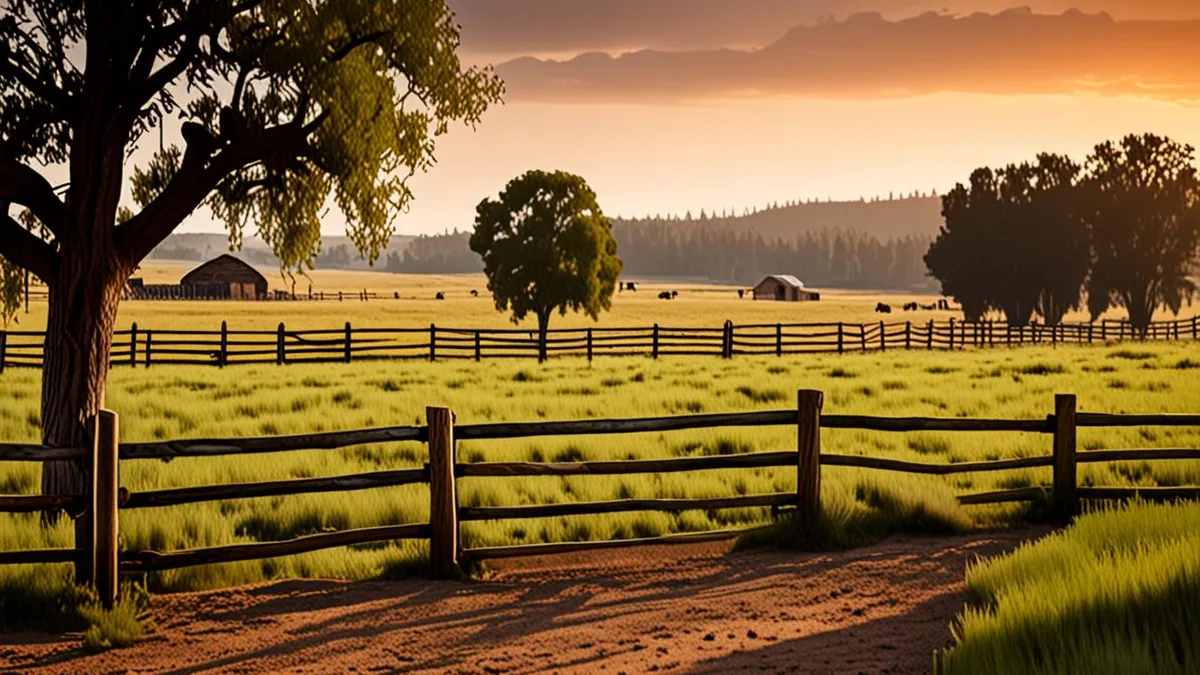
Ranch Lodge Activities: Riding and Beyond
Horseback riding is the heart of any working ranch stay. Most lodges offer 1 to 2 rides per day, and groups stay small, usually 6 to 10 riders, so wranglers can match the pace and terrain to everyone’s skill level. You will typically ride with the same group and the same horse all week, which builds confidence fast, especially for nervous beginners.
If you have never ridden, do not let that stop you. Most ranches offer riding lessons for beginners, often in an arena before your first trail ride, and wranglers are used to teaching guests who have never sat in a saddle. Family-oriented ranches commonly run children’s programs in summer, with age-appropriate riding and activities that let parents enjoy their own rides.
The saddle is not the only draw, though. Depending on the ranch and the season, you can expect options such as:
- Cattle work. Sorting, herding or moving livestock alongside the crew, which gives you a genuine taste of ranch life rather than a demonstration.
- Fly fishing. Many ranches sit on or near trout streams, and some provide gear and basic guidance for guests who want to cast between rides.
- Target shooting. Supervised sessions with rifles or other firearms are offered at some properties, with safety instruction included.
- Hayrides. A relaxed, family-friendly way to see more of the property, popular in the evenings.
- Helping in the kitchen garden. Some ranches grow their own produce and welcome guests who want to pitch in, from harvesting to simple prep.
Between rides and ranch work, most lodges also have quieter amusements such as hiking trails, games and evening campfires. You will rarely be bored, but you will never be overscheduled either.
When to Book and What Ranch Lodge Stays Cost
Ranch lodge pricing splits into two broad tiers. At genuine working ranches, where the focus is on real cattle and horse operations, rates typically run from about $150 to $600 per person per night. All-inclusive dude ranch resorts, with more polished facilities and a fuller activity program, generally start around $400 and can reach $1,200 per person per night.
Timing your stay
Peak season runs from June to September, when the weather is warmest and school holidays fill the calendar. If you want lower rates and thinner crowds, aim for May or late September to October. The shoulder months often bring pleasant riding conditions, colorful landscapes and more one-on-one time with the wranglers.
Popular ranches fill their summer weeks quickly, so book 6 to 12 months ahead if you have your heart set on June through September. Also expect minimum stays: most working ranches limit bookings to 3 to 7 nights during high season, which protects the rhythm of the ranch and keeps guest groups stable through the week.
Because rates vary widely with season, group size and what is included, it pays to compare properties carefully. A good starting point is our guide on how lodge stays break down by budget, which helps you see what you are actually paying for before you commit.
Meals, Accommodation and Daily Service
One of the pleasant surprises of a ranch lodge stay is how much is bundled into the nightly rate. Most working ranches operate on an all-inclusive basis, covering three family-style meals a day along with snacks and non-alcoholic drinks. You typically will not be signing tabs or reaching for your wallet between activities, which makes budgeting simple once the booking is paid.
What the food and lodging are like
Meals are usually served at set times in a main dining room or lodge hall, and portions are generous to match long days in the saddle. Accommodation ranges from shared rooms in a ranch house to private cabins, depending on the property and price level. Most ranch lodges host somewhere between 10 and 40 guests in total, which keeps the atmosphere personal rather than hotel-like.
Service is deliberately informal. Staff and wranglers often eat alongside guests, and it is normal to chat with the cook about the day’s menu or ask the trail guide where the best afternoon ride will be. Housekeeping can be lighter than at a resort hotel, so towels and room refreshes may happen less frequently than you are used to.
If you are traveling with dietary needs or allergies, mention them when booking. Ranch kitchens are usually happy to accommodate, but small teams plan meals ahead, so advance notice makes everything smoother for everyone at the table.
How to Prepare for Your First Ranch Lodge Stay
A little preparation makes a big difference on your first ranch stay. The most common rookie mistake is wearing new boots, which can leave you sore after a single morning ride. Bring boots that are already broken in, with a defined heel so your foot sits securely in the stirrup. Jeans and layered clothing work best, and rain gear belongs in your bag no matter the forecast. Even in midsummer, evenings can drop below 50°F on many ranches, so a warm layer for the campfire is essential.
Be honest about your riding ability when you book. Wranglers match horses to riders based on what you tell them, and overstating your experience can put you on a horse that challenges rather than delights you. If you are bringing children, ask about age minimums for rides, since some ranches set separate rules for younger kids.
A few things to confirm before you go
- Pet policy: some ranches welcome dogs in specific cabins, while others decline pets entirely because of livestock on the property.
- Accessibility needs: ask about step-free access, bathroom layouts and mounting ramps or platforms if anyone in your group has mobility limitations.
- Cell coverage and Wi-Fi: many remote ranches have limited or no signal in guest areas, so download maps and let family know you may be out of reach.
- Payment and arrival details: confirm check-in times and whether the ranch is reached by a long gravel road, so you arrive with enough daylight and fuel.
With the right gear and a few expectations set, your first stay will feel far less like guesswork and far more like a genuine week in ranch country.
Is a Working Ranch Stay Right for You?
So, is a working ranch stay right for you? If you pictured a hotel with horses attached, it may not be. A ranch lodge follows the rhythm of livestock, not an activity timetable, which means early mornings, hands-on routine and days shaped by real ranch work alongside 1 to 2 daily rides and family-style meals.
On the practical side, expect 3 to 7 night minimums in peak season and a small guest community of roughly 10 to 40 people, with rates running from about $150 to $1,200 per person per night depending on the property. If that mix of genuine work, saddle time and shared dinners appeals to you, book 6 to 12 months ahead for the June to September peak, or choose May and October for quieter, cheaper stays. Have you tried a working ranch vacation? Share your experience in the comments or pass this article along to a friend.