You’ve scrolled past a hundred dreamy treehouse photos online, but the questions pile up faster than the likes: Is there a real bathroom up there? What does a night in the trees actually cost? And how do you book one before someone else grabs your weekend? Those doubts keep a lot of travelers from ever clicking “reserve.”
This guide to treehouse stays walks you through the whole process, from what these accommodations really are to what’s inside them, from beds and bathrooms to the kitchens most of them don’t have. You’ll find out what a typical night costs, how far in advance to book for popular dates, and how to pick a treehouse that matches your comfort level. There’s also a practical packing list, since a stay in the canopy comes with a few quirks you’ll want to be ready for. By the end, you’ll know exactly what to expect and how to lock in your booking with confidence.
What Is a Treehouse Stay?
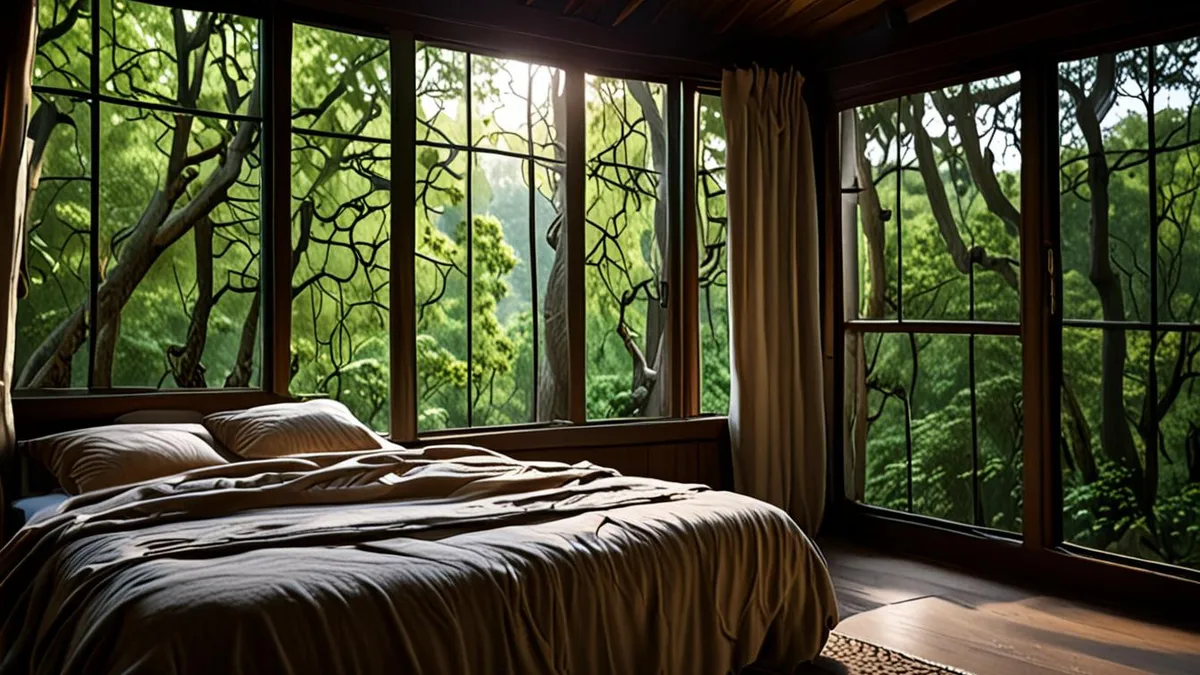
A treehouse stay is a type of glamping accommodation built off the ground, either on stilts or supported by the trees themselves. Think of it as a cabin lifted into the forest canopy: you get walls, a roof and a real bed, but your windows look out onto branches and birdsong instead of a parking lot. Most units sit anywhere from a few feet to several meters above the ground, with access by stairs or a ramp.
The range of comfort levels is wider than most first-timers expect. At the simple end, you’ll find rustic platforms with basic bedding, shared facilities nearby and little more than a lantern for light. At the other end, luxury treehouses come with heating, private bathrooms, wraparound decks, large windows and sometimes extras like hot tubs or outdoor showers. Many fall somewhere in between: solid construction, decent insulation and a deck, but a bathroom you walk to.
Who a Treehouse Suits
Most treehouse stays are built for couples or small groups, sleeping 2-4 guests comfortably. Some properties offer larger family models that accommodate up to 6, often with a sleeping loft or a second bedroom. If you’re traveling with kids, check that railings, stairs and deck edges are child-friendly before you commit.
One thing to keep in mind: not every “treehouse” is actually in a tree. Some are stilt cabins with a treehouse vibe, while others are genuinely built around a trunk. If being up among the branches is the whole point of your trip, look closely at photos and descriptions to see which kind of unit you’re booking.
What’s Inside a Treehouse: Beds, Bathrooms and Kitchens
The biggest surprise for first-time treehouse guests is how comfortable these units usually are. Forget camping gear: you’ll almost always find a proper bed with a real mattress, made up with sheets, pillows and blankets. Lighting is typically electric or solar-powered, and heating comes either from a wall unit or a small wood stove you light yourself. In summer, some units rely on openable windows for cooling instead of air conditioning.
Bathrooms are the detail that varies most between properties. Roughly half of treehouses include a private bathroom inside the unit, often with a composting or flush toilet and a compact shower. The rest rely on a shared bathhouse a short walk away, which can mean a flashlight trip after dark. If a private bathroom matters to your group, filter for it specifically rather than assuming it’s included.
Kitchens are where treehouses stay firmly in glamping territory. Most lack a stove and oven entirely, so plan meals accordingly: a mini-fridge, a cooler and a kettle are the standard setup. If you want a clearer picture of how this compares to other upscale outdoor accommodations, our guide to what to expect at a glamping site, from bathrooms to kitchens breaks down the options in detail.
Getting up to your room also takes a bit of planning. Access is typically via a staircase or ramp of 10-30 steps, sometimes with landings and sometimes steeper than a home staircase. Pack in soft duffel bags rather than hard suitcases, and bring a backpack for carrying food and water up. If anyone in your group has limited mobility, message the host before booking to confirm whether a ramp or ground-level option exists.
A few extras worth checking in the listing before you commit:
- Water supply: some elevated units have running water, while others provide a jug or tank you refill from a spigot near the base.
- Cookware and dishes: a few hosts supply basic plates, mugs and utensils for kettle meals, but others provide nothing, so ask before packing.
- Bug screens: screened windows and doors make a real difference in summer, and not every unit has them.
- Deck furniture: a small table and chairs on the deck turn the view into usable living space, especially for morning coffee.
How Much Treehouse Stays Cost
Treehouse stays sit in a similar price bracket to other upscale glamping options. Most properties charge between $150 and $450 per night, depending on size, location and comfort level. High-end models with wraparound decks, spa bathrooms and panoramic views regularly exceed $500 per night. If you’re new to this type of accommodation, it helps to see how treehouses stack up against yurts, safari tents and cabins in a guide to glamping prices by stay type.
Timing makes a big difference
Dates matter as much as the property itself. Weekend nights and holiday periods usually price at the top of the range, sometimes with a two-night minimum attached. Midweek stays, by contrast, often save you 20-30% on the nightly rate. If your schedule allows a Sunday-to-Tuesday check-in, you’ll typically pay noticeably less for the same treehouse.
Compare what’s included, not just the price
A lower rate isn’t always the better deal. One treehouse at $180 with a shared bathhouse down the path may cost you more in convenience than a $260 unit with a private bathroom, reliable heating and breakfast included. Before booking, list what each rate covers: private bathroom, heating or a wood stove, breakfast, firewood, or use of kayaks and trails. Two properties with similar nightly prices can deliver very different experiences once you factor in what’s bundled. Check the current rates directly with the property, since prices shift with season and demand.
When to Book and When to Go
Treehouse availability is all about timing, and it works differently from booking a regular hotel. Most properties have only a handful of units, sometimes just one or two, so a single busy weekend can fill an entire property months in advance. Unlike a hotel with 100 rooms, there is rarely a fallback if your dates are taken. A little planning goes a long way, and the timing rules below will help you lock in the treehouse you actually want rather than settling for whatever is left.
- Know the main season. In most temperate regions, the season runs roughly April through October. Outside those months, many properties close or operate with limited services, so check whether your chosen treehouse is open and heated before assuming a winter trip is possible.
- Book summer weekends early. For June through August weekend dates, aim to reserve 3-6 months ahead. Popular properties can sell out even earlier for holiday weekends.
- Plan further ahead for fall color. Peak foliage season is the busiest window of the year in many regions. Book 6-12 months ahead if you want a specific unit or a specific weekend in autumn.
- Expect a minimum stay. A 2-night minimum is common on weekends and holidays at many properties. Factor that into your schedule and budget before you commit, since it can rule out a quick overnight trip.
- Consider the shoulder months. May, June and September often combine pleasant weather with lower rates and fewer crowds, and minimum stays may be easier to meet midweek.
If your dates are flexible, set up alerts or contact properties directly about cancellations. Midweek gaps in the calendar open up more often than you might expect, especially in the shoulder season, when a rainy forecast can prompt last-minute openings. Calling a small property directly also lets you ask about noise, access and exactly which unit you will get, something large booking platforms cannot always tell you.
How to Choose the Right Treehouse
Not every treehouse is what the photos suggest. Some are genuinely perched high in the canopy, while others are stilt cabins dressed up with a few branches for the camera. That difference matters when you’re paying a premium for the view. Before you book, take a few minutes to confirm the details that will actually shape your stay: how high up the unit really sits, how you get there, and what happens when you need the bathroom at midnight. The same logic applies to any elevated glamping unit, and the tips in how to choose a glamping site before booking are useful here too.
- Measure the climb. Access is usually via stairs or a ramp with 10-30 steps up. Ask for the exact count and whether there’s a railing, which matters for young kids, grandparents or anyone with limited mobility.
- Confirm climate control. Heating is essential outside summer, and some units rely only on a wood stove you’ll need to manage yourself. Air conditioning is far from universal, so ask how warm units stay in hot weather.
- Read the recent reviews. Look for comments on noise from nearby roads or other guests, wildlife encounters (raccoons and mice are common visitors), and whether past guests describe the unit as truly elevated.
- Verify the bathroom setup. Roughly half of treehouses include a private bathroom; the rest share a bathhouse. Ask how far that walk is and whether it’s lit at night, then decide if the rate still feels fair.
A short email to the host with two or three direct questions will usually tell you more than any listing description ever could. Ask about the exact step count, the bathroom distance and the heating setup, then pay attention to how the reply reads. Hosts who answer clearly, honestly and quickly tend to run well-kept properties, while vague or evasive answers are worth taking seriously. If a host admits the unit is a stilt cabin rather than a true canopy perch, you can decide whether that still works for you before money changes hands.
Packing for a Treehouse Stay
Packing for a treehouse is closer to packing for a cabin than a hotel. Space is tight, stairs are steep, and lighting is often minimal, so every item you bring should earn its place. Unlike a hotel room, there is usually no front desk to call for extra towels or a forgotten charger, and a trip back down to the car means climbing the stairs again. The good news: you need far less than you think, provided you choose the right items. Think in terms of four categories: light, warmth, food and luggage.
- A headlamp or lantern. Many treehouses run on solar or battery power, and the built-in lighting can be surprisingly dim once the sun goes down. A headlamp keeps your hands free for stairs and reading in bed; a small lantern brightens the whole unit. Pack spare batteries, because outlets can be limited or absent entirely.
- Closed-toe shoes and layers. You’ll climb stairs and walk forest paths, often at night, so skip the sandals. Temperatures under the canopy drop quickly after dark, so pack a fleece or warm layer even in summer. Sturdy soles also help on damp or leaf-covered steps.
- Cooler-friendly food. Most units have only a mini-fridge and kettle, so plan meals around pre-cooked items, sandwich fixings, instant meals and coffee or tea. Bring a soft cooler for anything that needs real chilling, and don’t forget basic supplies like salt, oil or a small cutting board if the host doesn’t provide them.
- One compact bag per person. With 10-30 steps up and narrow landings, duffel bags and backpacks beat hard-shell suitcases. Leave bulky gear at home and repack into a single soft bag if needed. Fewer bags also mean less clutter in a compact space.
Do a final check of the property’s packing suggestions before you leave, since hosts know their units best. They often list small extras worth bringing, like bug spray, extra batteries, a reusable water bottle or a deck blanket for evening stargazing, that make the stay noticeably smoother. A quick message to your host a few days before arrival is the easiest way to avoid packing the wrong things.
Wrapping Up Your Treehouse Plans
A treehouse stay is far more approachable than those dreamy photos suggest. Behind the elevated forest views you’ll find real beds, heating and, in roughly half of units, a private bathroom. Rates typically run $150-$450 per night, with luxury models climbing higher, so the experience fits many budgets rather than being a once-in-a-lifetime splurge.
The main thing to remember is timing and fit. Book 3-6 months ahead for summer weekends, and match the unit’s access, bathroom setup and season to your group before paying. Do that, and the only surprise left will be how good your coffee tastes on a deck in the canopy. If you’ve stayed in a treehouse or have questions, leave a comment or share this article.