It’s a familiar frustration: you book an all-inclusive resort expecting everything to be covered, then get hit with a bill for spa treatments, premium cocktails or an excursion you assumed came with the price. The truth is that “all-inclusive” means slightly different things at different properties, and most rates cover meals, snacks, unlimited drinks and basic Wi-Fi, while extras like premium alcohol, spa treatments and off-site excursions usually cost extra.
This simple breakdown walks you through what all-inclusive resorts typically include in the base price, what usually costs extra, and how inclusions differ by resort tier. We’ll also look at what’s commonly included for families versus adults, why reading the fine print before you book matters, and where all-inclusive inclusions shine most. By the end, you’ll know exactly which questions to ask so there are no surprises on your final bill.
What All-Inclusive Resorts Include in the Base Price
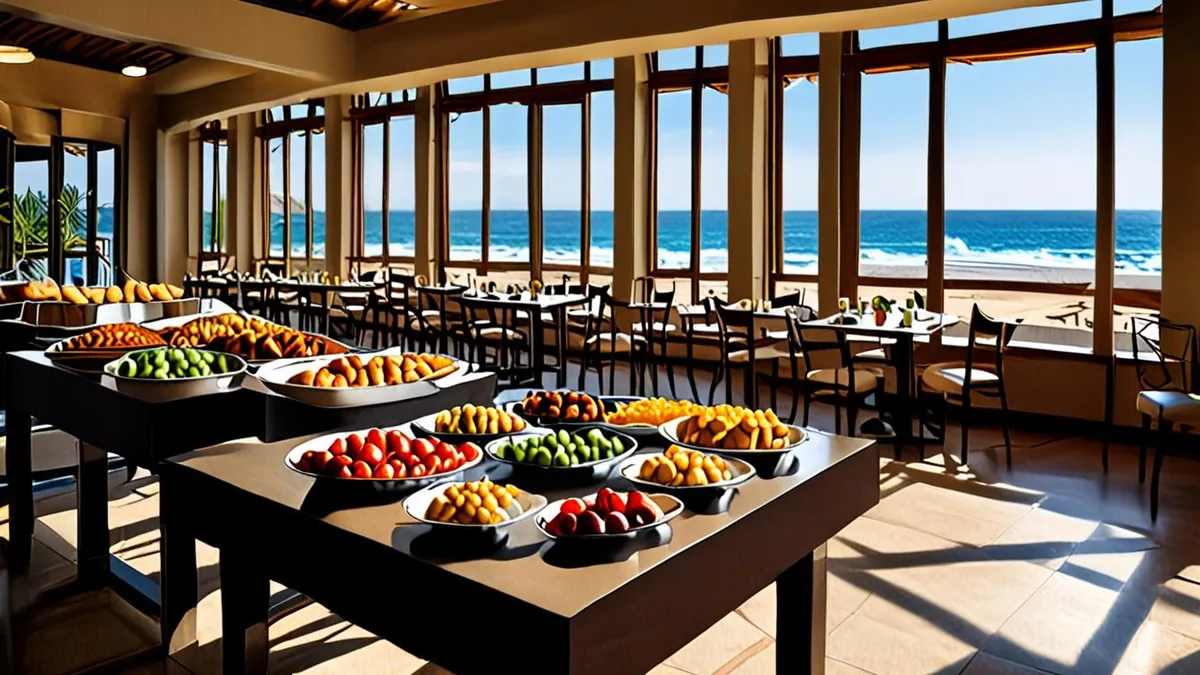
At most all-inclusive resorts, the base price covers the essentials: unlimited meals, unlimited standard drinks, and access to the main facilities. You can eat as often as you like at the buffet restaurants, and between mealtimes there are usually snack bars, grills, and cafés serving burgers, tacos, pizza, ice cream, and coffee. If you want a plate at 11 a.m. or a midnight snack, it’s included.
Drinks work the same way. Soft drinks, juice, beer, house wine, and standard cocktails are typically part of the package, served at the pool bar, lobby bar, and dining venues. You order, you sip, nothing lands on your room bill.
Beyond food and drink, your rate also unlocks the resort’s core amenities. That means the pools, the beach loungers, the gym, and the nightly entertainment program, which often includes live shows, themed parties, trivia, and games by the pool during the day.
Here’s a closer look at the most common inclusions:
- Buffet dining: Unlimited meals at the main buffet, usually covering breakfast, lunch, and dinner with rotating themes and stations.
- Snack venues: Grills, cafés, and poolside stands offering food outside standard mealtimes, so you never have to plan around hunger.
- Standard drinks: House-brand beer, wine, spirits, soft drinks, and classic cocktails; premium labels may cost extra, so ask which brands are included.
- Pools and beach access: Use of all main pools, sun loungers, and towels, plus the resort’s stretch of beach where applicable.
- Fitness and entertainment: Gym access and a daily schedule of activities, from aqua aerobics to evening shows and dance lessons.
- Basic Wi-Fi: Complimentary internet in rooms and common areas, usually sufficient for browsing and messaging.
- Non-motorized watersports: At many beach resorts, kayaks, paddleboards, and snorkel gear are included at no charge.
The exact mix varies by property, so review the resort’s inclusions list before booking. Some bundle more than others, and a few items you’d assume are free, like certain activities or equipment, occasionally sit outside the package.
What Usually Costs Extra at All-Inclusive Resorts
Even at a genuinely all-inclusive resort, a handful of things usually show up on your final bill. The most common surprise is alcohol: the base package covers house brands and standard cocktails, but premium liquor brands, top-shelf wine and specialty coffee drinks often carry a surcharge. If you’re particular about your scotch or your morning latte, ask at check-in which bars and menus fall outside the package.
Services and activities are another gray zone. Spa treatments are almost always billed separately, and the same goes for motorized watersports like jet skiing or parasailing. Off-site excursions — think zip-lining tours, catamaran day trips or visits to local attractions — are booked through the resort but paid on top of your rate. These can add up quickly, so it helps to budget for them before you travel. For a fuller picture of what you might spend overall, it’s worth reading how much all-inclusive resorts cost in 2025 before you commit to a property.
Dining can have limits too. Many resorts include à la carte specialty restaurants in the package, but cap how often you can use them — commonly 2-3 reservations per week-long stay. Beyond that, you’re back to the buffet, or you pay a fee for an extra specialty dinner.
Beyond those big three, a few smaller add-ons catch travelers off guard:
- Airport transfers: Some packages include pickup, but at many resorts a private transfer is an add-on you book in advance or arrange with a taxi on arrival.
- Photo packages: Resort photographers roam pools and dinner venues, and the printed or digital images are sold as packages that can run into the hundreds of dollars.
- Premium Wi-Fi tiers: Basic internet is usually free, but faster speeds or streaming-quality connections are often sold as a daily upgrade.
- Golf and lessons: Where courses exist, green fees and lessons are nearly always separate from the room rate.
How Inclusions Differ by Resort Tier
Not all all-inclusive packages are built the same, and the tier of the resort makes a bigger difference than most travelers expect. At the budget end, your rate generally covers the basics: unlimited meals at the main buffet, standard house-brand drinks, and access to the pool and daily activities. Don’t expect specialty restaurants, top-shelf spirits, or much in the way of organized entertainment. These properties can still be a good value if your plan is mostly to relax by the water.
What mid-range and luxury tiers add
Mid-range resorts usually step things up with a handful of themed or à la carte restaurants, better evening entertainment, and included kids’ clubs, which matters a lot if you’re traveling with children. You’ll often get a wider drink list and nicer rooms, too, though some restaurants or drink categories may still carry surcharges.
Luxury properties tend to blur the line between “included” and “extra.” Premium drinks, unlimited à la carte dining, and butler or concierge service are commonly part of the package, along with higher-end food quality and more personalized attention. At this tier, the à la carte reservation limits you’ll find elsewhere are often relaxed or removed entirely.
The key is matching the tier to your priorities. If specialty dining and premium cocktails are central to your trip, a budget package will likely leave you paying extra for most of what you actually want. If you’re unsure how to weigh these trade-offs, a practical guide to choosing an all-inclusive resort can help you compare options before you commit. And since inclusions vary widely even within the same tier, always read the specific resort’s inclusions list rather than assuming a category guarantees anything.
What All-Inclusive Resorts Include for Families vs Adults
The biggest difference between resort types comes down to who is staying there. Family-focused all-inclusives build their base price around keeping kids busy and parents relaxed. That usually means kids’ clubs split by age group, water parks with slides and splash zones, and supervised activities that run through the day so parents can actually finish a drink by the pool.
What family resorts typically include
Beyond the standard meals and drinks, family properties commonly bundle in kids’ clubs and non-motorized watersports at no extra charge. You’ll often find family-friendly evening entertainment, casual buffet options that suit picky eaters, and connecting rooms or larger suites. Some resorts go further with teen lounges, game rooms and family game shows by the pool at night.
What adults-only resorts offer instead
Adults-only properties trade the water slides for a calmer atmosphere. Inclusions tend to lean toward wellness classes like yoga or stretching, quiet pools where noise rules are enforced, and premium dining experiences as part of the package. Bars and entertainment are designed around couples and groups of friends rather than families with young children.
Before booking, check two details carefully. First, confirm the minimum age policy, since “adults-only” can mean 16-plus at some properties and 18-plus at others. Second, if you’re looking at a family resort, verify the kids’ club operating hours and whether they match your plans, because some clubs close for lunch or run only limited hours in low season.
Reading the Fine Print Before You Book
All-inclusive sounds simple, but the details on the booking page matter more than the brochure photos. A few minutes of fine-print reading can save you from surprise charges and missed dinners. Work through these steps before you commit to a deposit, and bring the same checklist with you when comparing two or three properties side by side.
- Compare against room-only rates. Pull up the same property with a room-only option and do the math for your actual travel dates. All-inclusive packages typically run 20-60% above room-only rates, so the package only pays off if you’ll actually eat and drink enough to cover the difference. If you plan long days away from the resort on excursions, or you tend to skip breakfast and lunch, the premium may be money you never use.
- Confirm the tipping policy. Tipping policies vary from resort to resort, and this is where travelers get caught off guard. Some properties are fully cashless and discourage tips, while others expect small cash tips for bartenders, servers and housekeeping. Knowing which system you’re dealing with tells you how much cash to bring and whether you’ll need small bills on hand throughout the week.
- Check restaurant reservation rules. Find out which à la carte restaurants require reservations and how far in advance you can book them, since some systems open bookings before you even arrive. Many resorts limit à la carte dinners to 2-3 reservations per week-long stay, and popular spots can fill up days ahead, so book as early as the system allows rather than waiting until check-in day.
Once you’ve worked through these three checks, you’ll have a realistic picture of what your week will actually cost and how it will flow day to day. You’ll know whether to budget for cash tips, which dinners to lock in first and whether the package premium makes sense for your eating and drinking habits. That’s the difference between an all-inclusive that feels effortless and one that feels like a series of small surprises. A little homework now protects both your budget and your vacation mood.
Where All-Inclusive Inclusions Shine Most
Not every destination makes the most of an all-inclusive package. The format works best where the included activities are things you’d genuinely spend money on anyway, and a few settings do this better than others.
Beach destinations get the most from the formula
Caribbean resorts are the classic example for a reason. Warm water and calm conditions mean the included non-motorized watersports, like kayaks, paddleboards and snorkel gear, get real use rather than sitting untouched. Add in pool access, beach service and evening entertainment, and the daily value of the package is easy to see. If snorkeling is your priority, it pays to pick a property with a good house reef or easy access to one, and our favorite resorts for snorkeling are a good place to start comparing.
Island and wellness properties bundle real value
Overwater bungalows and island resorts take the bundling a step further. Snorkeling gear and lagoon access typically come with the stay, so you can slip off your deck or walk a few steps and be in the water without booking anything or paying anything extra. For travelers who love the underwater world, that convenience alone can justify the package.
Wellness-focused properties work the same logic from a different angle. Daily yoga and fitness classes, meditation sessions and access to spa facilities like saunas and hydrotherapy circuits are often folded into the rate. At a standard hotel, those same classes and facilities would each carry their own price tag, so the inclusions add up quickly for anyone planning an active, health-focused trip.
The Simple Takeaway on All-Inclusive Resorts
So what does an all-inclusive resort actually include? In short, the base rate handles the essentials: your meals throughout the day, standard drinks, daily entertainment and access to the core facilities like pools, beaches and gyms. That clarity is the whole point of the model — you pay once and stop guessing what each meal or activity will cost when you arrive.
Of course, not everything sits inside that package. Expect to pay separately for the premium stuff: top-shelf drinks, spa appointments and excursions off the property are the usual suspects. Your best move is to match the resort tier to what you actually care about. A family might prioritize a water park and kids’ programming, while a couple might prefer a quiet adults-only pool and upscale dining. If this breakdown helped you plan your next trip, leave a comment or share it with a fellow traveler.