New Zealand’s Great Walks book out months ahead, and hikers who leave lodge planning until spring often lose both beds and trail access. The country’s most famous tracks sit hours apart, so where you sleep shapes how much time you actually spend on the trail. The best New Zealand lodges for hiking season fill up around the same calendar as the tracks themselves, which means your accommodation decision and your trailhead decision are really the same decision.
This guide walks through the practical choices: when the hiking season runs and how it affects lodge pricing, the strongest base towns of Queenstown, Wanaka and Te Anau, and how to pick between a full-service luxury lodge and a simple cabin near the trailhead. You’ll also find realistic booking lead times, advice on pairing one base with one trail cluster, and a short wrap-up to pull the plan together. By the end, you should know exactly where to base yourself and when to lock it in.
When Hiking Season Runs and Why It Shapes Your Lodge Choice
The Great Walks season runs roughly late October to late April, and this window drives almost everything about lodge availability. Lodges near the popular trailheads price and fill around it, so the same room can cost noticeably more and disappear faster in January than in November. Before you fall in love with a specific lodge, pin down your hiking dates first.
Peak summer versus autumn
December to February is peak summer, with the mildest trail weather and the longest daylight hours. It’s also when demand peaks, so expect the highest lodge rates and the tightest availability, especially in Queenstown, Wanaka and Te Anau. If your dates are flexible and you can handle slightly cooler mornings, March and April offer fewer crowds and stable autumn conditions, often with softer lodge rates. Forests turn gold, sandflies ease off, and trails stay open through this shoulder stretch.
Check trail status before you book
Outside the season window, some alpine tracks and hut services close or operate on reduced schedules, so a cheap winter lodge deal may not help if the trail you want is effectively off the table. Always check the current status of your chosen tracks with the Department of Conservation before booking a lodge around a low-season date. A quick check saves you from pairing a great room with a closed trailhead.
Queenstown and Wanaka: Bases for the Southern Alps
Queenstown is the workhorse base for the Southern Alps. The town sits within 1-2 hours of trailheads in Fiordland, Mount Aspiring and the wider Southern Alps, which means you can sleep in one place for a week and still vary your day hikes dramatically. That range is hard to beat if you want variety without repacking a suitcase every night.
Wanaka for quieter valleys
Wanaka suits hikers focused on Mount Aspiring tracks and quieter alpine valleys. It’s smaller and more relaxed than Queenstown, with quicker access to its own set of trailheads and a calmer base to return to after a long day on the trail. If crowds in town bother you as much as crowds on the track, Wanaka is the better fit.
Lodge range and what it costs
Both towns have the widest lodge range in the country, from simple rooms that work fine for self-driving hikers to full-service luxury lodges with guided hikes, chef-cooked meals and transfers. That breadth is why so many itineraries start here. Expect peak-season rates at the top end to exceed NZD 1,500 per night, while simpler options sit far below that. Check current rates directly with lodges, as pricing moves with the season and demand.
Fiordland and Te Anau: Gateway to Milford and Routeburn
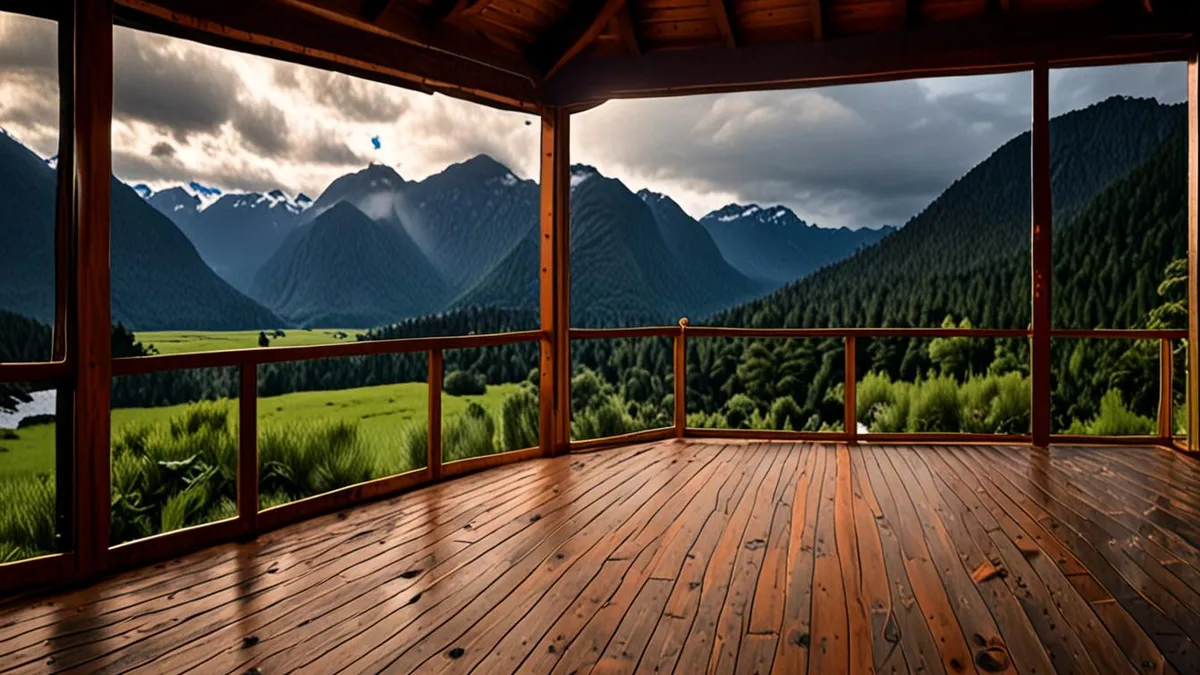
Te Anau is the practical overnight base for the Milford, Routeburn and Kepler track trailheads. All three of these famous tracks funnel through Fiordland, and Te Anau sits close enough to let you reach trailheads early without pre-dawn drives. The town also has the shops, rental gear and tour operators you’d expect at a genuine hiking hub.
Why not just stay in Queenstown?
Milford Sound itself is roughly 4 hours by road from Queenstown, so basing there and day-tripping to the trailhead means eight hours of driving on a hiking day. Staying in Fiordland saves that long daily drive and, more importantly, gets you to the trailhead before the tour buses arrive. Early starts matter on popular tracks, and a Te Anau bed makes them realistic.
What lodges cost and where to book
Lodges in Te Anau range from about NZD 250 per night for simple stays to several hundred for comfort levels with better locations and breakfast included. Prices shift with the season, so treat those figures as a starting point and confirm current rates. Milford Sound village itself has limited accommodation, so if waking up right at the trailhead appeals to you, book that option as early as possible. Beds there are few, and they go quickly once the season calendar opens.
How to Choose Between Lodge Types
New Zealand lodges come in a few distinct flavors, and the right one depends less on budget than on how you like to run your trip. Full-service luxury lodges bundle guided hikes, meals and transfers into one package, which makes them ideal if you want a single base for the whole hiking season trip. You check in once, and the logistics are handled for you each morning.
At the other end, simple lodges and cabins near trailheads suit self-driving hikers who plan their own routes day by day. These are the practical choices: you pay for a bed and a roof, then spend the rest of your budget on fuel, food and flexibility. Neither style is better — they just serve different trips.
Whichever type you pick, the small amenities matter most in hiking season. A trailhead start before 8am means an early breakfast and a packed lunch, and not every lodge offers both. After a wet Fiordland day, dry boots are worth almost as much as a good dinner. Before booking, run through this checklist:
- Early breakfast service: confirm the kitchen can serve before dawn during hiking season, not just from a standard restaurant opening time.
- Packed lunches: ask what a trail lunch actually includes — sandwiches, fruit and trail food that will keep for a full day on the track.
- Drying rooms: a heated boot and gear room is a practical must in wet regions, especially Fiordland.
- Gear storage: useful if you leave a bag behind on a multi-day track or swap gear between hikes.
- Trailhead transfers or parking: check whether the lodge can drop you at a trailhead or store your car safely for several days.
Booking Lead Times for New Zealand Lodges
Booking lead times in New Zealand follow a rhythm set by the Great Walks, and hikers who ignore it often end up with second-choice lodges. The hiking window stretches from spring through autumn, but demand for beds near popular trailheads is heavily front-loaded into the summer months. That means your booking calendar matters just as much as your packing list, and the travelers who plan around it consistently get the rooms they actually want.
- Mark the booking opening date. Great Walks season bookings open in May or June for the following season and sell out within weeks — some key sections go in days, so set a reminder and be ready to book the moment the window opens.
- Book summer lodges first. For December to February stays, booking 6-12 months ahead is typical, especially in Te Anau and Queenstown where competition for rooms is strongest. If you wait until spring to organize a midsummer trip, expect limited choice and higher rates.
- Use the autumn window. March and April stays can often be booked 2-4 months out with better availability, and the trade-off is fewer crowds and more stable autumn conditions on the trails. It is a genuinely good deal for flexible hikers.
- Check trail status before locking anything in. Outside the season window some alpine trails and hut services close, so confirm the tracks you want are open before paying for a lodge.
One final habit separates smooth trips from stressful ones: travelers with fixed dates should secure the lodge first and build the hiking itinerary around it. Lodges in the best trailhead locations have far less flexibility than your itinerary does, so treat the room booking as the anchor of your whole plan. Work out your trail clusters, pick the base town, then book backward from there — lodge first, flights and daily plans second.
Pairing Your Lodge Base with the Right Trails
The most common planning mistake in New Zealand is trying to cover too much ground from one lodge. The country looks compact on a map, but trail clusters sit hours apart, so the smarter approach is to match your base to one cluster of tracks rather than attempting both islands from a single bed.
Fiordland from Te Anau
A Fiordland base covers the Milford, Routeburn and Kepler tracks with minimal daily driving. Te Anau puts you within practical reach of all three trailheads, which matters because driving from Queenstown to the Milford Sound trailhead and back eats up most of a day on the road alone. Basing yourself in Fiordland turns that drive into a one-time transfer instead of a daily grind. If the Great Walks are your priority, this is the cluster to commit to.
Southern Alps from Queenstown or Wanaka
A Southern Alps base near Queenstown or Wanaka works best for day hikes and Mount Aspiring tracks. Queenstown gives you access to trailheads in Fiordland, Mount Aspiring and the Southern Alps, which brings variety at the cost of longer drives on some days. Wanaka suits hikers focused on Mount Aspiring and quieter alpine valleys, with a calmer town atmosphere to return to after the trail.
North Island hikers should skip the south entirely and look at Tongariro-area lodges instead, where volcanic day hikes offer a completely different landscape. Splitting your trip between two bases — one Fiordland, one elsewhere — usually beats chasing every trail from a single lodge. Check current trail and road conditions before locking in your dates, since access can shift with the weather.
Wrapping Up Your New Zealand Lodge Plan
The mistake most hikers make is waiting too long to plan, then discovering that both the trails and the best lodge rooms are gone. The solution is to reverse-engineer your trip: lock in your hiking dates first, then build the lodge booking around them. Hiking season runs roughly late October to late April, with December to February as peak summer and March and April as the quieter, often softer-priced alternative.
Once your dates are set, pick the base that matches your trail cluster. Queenstown, Wanaka and Te Anau are the strongest lodge choices for the main trail clusters, covering Fiordland, the Routeburn and the Southern Alps between them. Book 6-12 months ahead for peak summer, while shoulder-month trips can often be arranged on shorter notice. If this helped you plan your trip, leave a comment or share the article with a fellow hiker.