Booking your first stay at a glamping site usually comes with the same nagging doubt: will it actually live up to the “glam”? The photos show cozy beds and stylish interiors, but nobody wants to arrive and discover there is no hot shower, no way to make coffee, and a long walk to the nearest toilet. If you have ever camped before, you know exactly which details can make or break a trip.
This guide walks through the facilities you will realistically find on site, so you can book with confidence instead of guesswork. We cover the bathroom situation, from shared blocks to private en-suites, what you can actually cook in each kitchen setup, how power, heating and cooling work inside different units, and the extras like Wi-Fi, parking and shared facilities. We also look at how amenities change with unit type and price, and how to verify everything before you pay your deposit.
The Bathroom Situation: Shared Blocks vs En-Suites
The bathroom is usually the first thing first-time glampers worry about, and the answer depends heavily on the unit type and price level. Budget and mid-range sites typically offer a shared bathroom block that serves around 2-6 units. These are proper facilities, not campsite vault toilets: expect flushing toilets, hot showers and sinks, and most sites clean the block daily. It feels closer to a hostel bathroom than a campground, and for many travelers that is perfectly fine.
When you get your own bathroom
Step up to a safari tent, a cabin or a premium yurt, and you almost always get a private en-suite bathroom with a real shower and sink inside your unit. This is where glamping starts to feel genuinely hotel-like, and it is the single biggest comfort difference between price tiers.
Here is the catch: tent listings do not always make the bathroom arrangement obvious. Photos may show a stylish interior without revealing whether the shower is inside or down the path. Before booking, read the unit description carefully and look for the words “en-suite” or “private bathroom”. If neither appears, assume it is a shared block and check with the host.
One packing note: real beds with linens are provided, but at shared-bath sites guests usually bring their own towels. Pack a towel, your toiletries and a pair of flip-flops for the walk to and from the shower block, and you will have no unpleasant surprises.
Kitchens and Cooking: What You Can Actually Prepare
Cooking facilities vary more than almost any other amenity, so it pays to know what each setup can realistically produce. At the entry level, most glamping sites provide a cooler, a two-burner camp stove and basic cookware. That sounds modest, but it is enough for pasta, pancakes and one-pan meals. If you plan simple, hearty food, you will eat well without missing a kitchen.
From camp stove to kitchenette
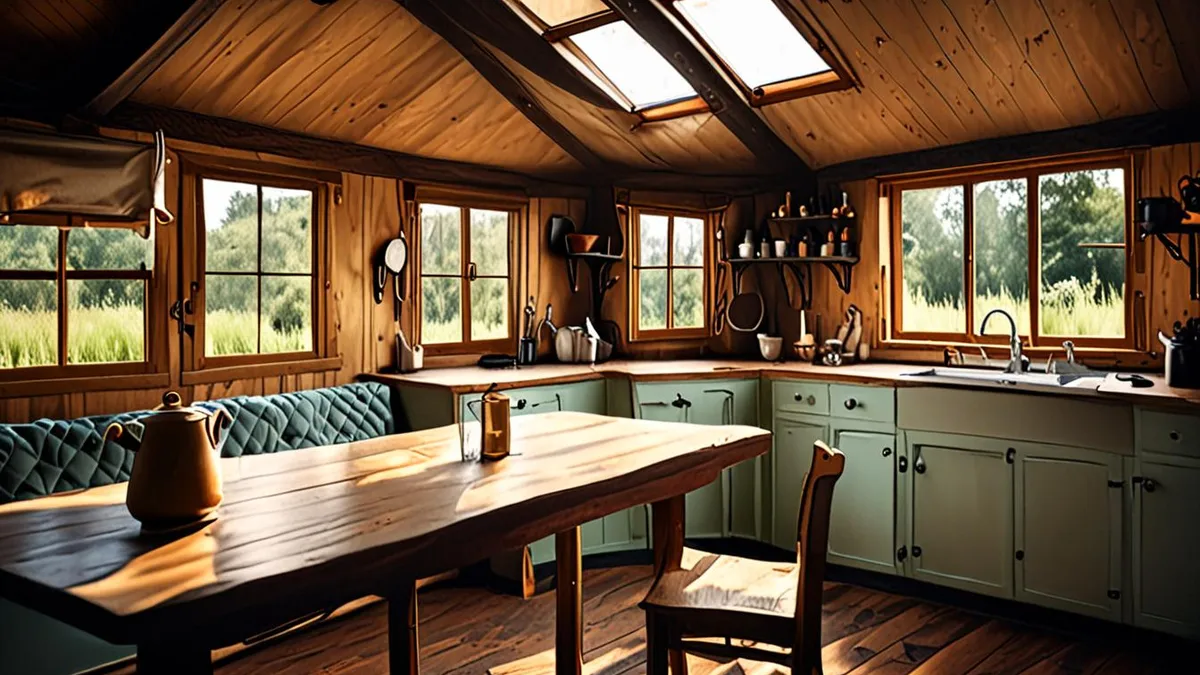
Mid-range and premium units step things up considerably with a kitchenette: a fridge, a microwave, a sink and sometimes even a dishwasher. With cold storage and a microwave, you can keep fresh ingredients on hand, reheat leftovers and prepare proper breakfasts instead of improvising over a single burner.
Many properties also run a communal kitchen shared between guests, or an on-site cafe for anyone who would rather not cook at all. That can be a lifesaver on rainy evenings or after a long day of hiking, and it is worth checking whether your site offers one before you fill the cooler.
The practical rule is to plan meals around what the listing confirms, not what you hope is there. If only a camp stove is listed, bring a cooler and shop for simple ingredients that need no refrigeration or just a little. For a fuller picture of what to expect and how to get ready, this guide to first-time glamping preparation covers the essentials in more detail.
Power, Heating and Cooling Inside the Unit
Power and heating are where the gap between price tiers shows most clearly. Premium units include mains electricity, heating and often air conditioning, so your phones and laptops charge as normal and the temperature stays comfortable whatever the weather is doing outside. In these units, you barely notice you are not in a hotel room.
Basic tents are a different story. They typically run on a wood stove or a portable heater during cooler months, with solar power or a limited number of outlets for lighting and charging a device or two. That is enough to keep the lights on and a phone topped up, but it changes how you plan your evenings and your packing.
It is also worth asking about winter operation before you book a cold-weather trip. Some sites close their unheated tents between roughly November and March, so availability in the off-season is not guaranteed even if the listing looks active year-round. If you are planning a cold-season escape, this guide to staying warm while glamping in winter goes deeper into what works.
For shoulder-season stays in a stove-heated tent, pack for the reality of the setup:
- Layered clothing lets you adjust through the evening as the stove burns down and the temperature inside drops before you refill it.
- Extra blankets matter because stove heat fades overnight, and the last hours before dawn are the coldest inside a tent.
- Wool socks and a warm hat for mornings and nighttime trips, since tent floors stay cold even when the air is warm.
- A headlamp or small flashlight, because lighting in basic tents is often solar-powered and dim, and the walk to the bathroom block will be dark.
On-Site Extras: Wi-Fi, Parking and Shared Facilities
Wi-Fi is one of the most common surprises at glamping sites. It is usually strongest in the main lodge or reception building, where you can sit down with a coffee and get some work done. Inside the tents and cabins themselves, the signal is often weak or simply unavailable, so don’t count on streaming a movie from your bed unless the listing specifically says so.
Parking is usually straightforward. Most sites offer free parking next to your unit or within a short walk of it, which makes unloading bags and groceries painless. A few properties are car-free by design, keeping vehicles at the edge of the site; these typically provide luggage carts so you can wheel your gear to your tent without multiple trips.
Shared facilities worth checking
Beyond the basics, many properties add extras like fire pits, BBQ areas, hot tubs, playgrounds and laundry rooms. These vary widely from one site to another, so the presence of a hot tub or a communal fire pit should never be assumed. If any of these matter to your trip, it’s worth confirming them before you commit to a booking.
Finally, be clear about what is included in the rate versus what counts as a paid add-on. Hot tubs and firewood often cost extra, and a fire pit you can’t use without buying wood can be a disappointment. If you’re still weighing your options, our guide on how to choose a glamping site before booking walks through the details worth verifying in advance.
How Amenities Change with Unit Type and Price
Glamping covers a huge comfort range, and price is usually the clearest signal of what you’ll get. Knowing which tier you’re booking helps you avoid the classic mistake of expecting a lodge and arriving at a tent.
What each price tier typically delivers
At the $100-per-night end, expect a furnished tent with real beds, shared bathrooms and minimal cooking gear. You get the outdoor setting and a proper mattress, but you’ll be walking to the bathroom block and cooking on a simple setup.
Around $200-$300 per night, units typically add en-suite bathrooms, kitchenettes and heating. This is the sweet spot for many travelers: you keep the camping atmosphere but gain a private shower, a fridge and warmth on chilly nights.
Above $400 per night, you’re into lodge-style comfort: full bathrooms, proper kitchens, air conditioning and extras like hot tubs. At this level, the experience often rivals a boutique hotel, just with more space and better views.
Match the unit type to your trip rather than to your budget alone. A couple wanting a hotel-like stay should filter for en-suite and kitchenette from the start, even if it means a smaller unit or a shorter trip. Someone happy to share facilities and cook simply can save a lot at the entry level. The key is deciding which amenities are non-negotiable before you start browsing.
Checking a Glamping Site’s Amenities Before You Book
A little verification before booking goes a long way toward making sure a glamping site delivers what you expect. The listing photos rarely tell the whole story: a tent can look spacious and luxurious in a wide-angle shot, yet share a bathroom block with several other units or lack heating outside high summer. Since nightly rates run roughly from $100 for basic tents to $400 and more for en-suite lodges, you want to be sure the unit you’re paying for actually matches the comfort level you have in mind. The good news is that checking takes little effort. A careful read of the listing, a short message to the host and a scan of recent reviews will surface most problems before you pay. Here’s how to check a site’s amenities properly, step by step.
- Read the full unit listing, not just the photos. Photos can’t confirm whether the bathroom is private or shared, what the kitchen actually includes, or how the unit is heated. Confirm the bathroom type, kitchen equipment and heating in writing, so you have something to fall back on if anything doesn’t match on arrival.
- Message the host with specific questions. Ask whether towels are provided, how far the Wi-Fi reaches, and whether the unit operates during your travel month. Some unheated tents close for the colder season, so this question alone can save you from a cancelled or uncomfortable stay.
- Scan recent guest reviews. Look for mentions of cleanliness, noise and whether the photos match reality. Reviews from the past few months are the most reliable, since amenities and management can change over time.
- Book early for peak dates. Aim for 2-3 months ahead for summer weekends and around 6 months for holiday periods. The units with the best amenities, like en-suite bathrooms and kitchenettes, tend to sell out first, leaving late bookers with the basic options.
Ten minutes of checking can be the difference between a stay that matches the photos and one that doesn’t. It also helps you compare sites fairly: two tents at similar prices can offer very different levels of comfort once you know what each one includes. If a host answers your questions quickly and clearly, that responsiveness is itself a good sign of how the property is run. Do this check once, and you’ll book glamping sites with confidence from then on, knowing exactly what you’re getting before you arrive.
The Bottom Line on Glamping Site Comforts
So is the “glam” oversold? Not necessarily — but glamping covers a huge range, from furnished tents with shared bathrooms and a camp stove to en-suite lodges with full kitchens, heating and air conditioning. What you actually get depends almost entirely on the unit type and price you book, not on the word “glamping” itself.
Three details shape the stay more than anything else: the bathroom situation, the kitchen level and the heating. If you confirm those in the listing, message the host about anything unclear and scan recent reviews, you will know exactly what you are walking into — and the “glam” promise tends to hold up. Have you stayed at a glamping site yet? Share your experience or this article with someone planning their first trip.