Portugal offers great glamping year-round, but choosing the wrong region for the wrong season can turn a dream trip into a washout or a scorcher. A safari tent on the northern coast in a wet spring feels very different from the same setup in the Algarve in June, and a dome among Douro vineyards is far more pleasant in May than in August heat. The good news is that a little planning solves most of it.
This guide breaks down glamping in Portugal by season and region. We’ll look at how the country’s climate splits between the sunny south and the greener north, why the Algarve works almost year-round, and when Alentejo, the Douro Valley and Peneda-Gerês each shine. You’ll also find practical advice on winter stays, booking windows and typical nightly costs, plus a simple way to match your travel style to the right region before you book.
How Portugal’s Climate Shapes Glamping by Season
Portugal is a small country with noticeably different weather from top to bottom, and that shapes where you should pitch a tent or book a dome. The simplest way to think about it is to split the country in two: a sunny, dry south covering the Algarve and Alentejo, and a greener, wetter north that includes the Douro Valley and the mountains around Gerês. Rainfall, temperatures and even the landscape change noticeably between the two halves.
The south gets long, reliable dry spells, which makes it forgiving if your dates are fixed. The north is lusher and more dramatic, but it sees more rain, especially outside the core summer months. Matching region to season is therefore the single most useful decision you can make before comparing individual sites.
When to go where
June to September suits almost every region in the country, and it’s the safest window if you want maximum choice. July and August are the hottest and busiest months, so expect crowds at the most popular coastal spots. For a better balance of mild weather and fewer people, aim for April-May or September-October, when spring brings wildflowers and comfortable 18-24°C days across most of the country.
Winter is a different story. Cold-weather glamping is realistic only in the south, where daytime temperatures in the Algarve and Alentejo often reach 15-18°C even in the middle of winter. In the north, the wetter, cooler season makes tent-based stays far less appealing, so save the Douro and Gerês for the warmer months and use the southern regions for off-season trips.
Algarve: The Year-Round Coastal Choice
If you want the lowest-risk option for a coastal glamping trip, the Algarve is hard to beat. With roughly 300 days of sunshine a year, it’s the region most likely to deliver the beach-and-sunset trip you pictured when you booked. That reliability stretches across a long season: the Algarve works well from April to October, including the shoulder months when crowds thin out and prices soften.
Glamping here means coastal sites, usually within a short drive of beaches between Lagos and Tavira. You won’t necessarily be sleeping on the sand, but most well-chosen sites put you close enough for morning swims and evening walks. Between beach days, the region’s cliff walks, fishing towns and seafood make it easy to fill a week without repeating yourself.
Prices and availability
Summer is when the Algarve shows its popularity. July and August rates sit at the top of the typical €80-250 nightly range, and the best sites fill fast, sometimes months in advance. If your dates are flexible, the shoulder months of May, June, September and early October often deliver nearly the same weather with better availability and lower prices.
One practical tip: even in a sunny region, check the forecast before you travel and pack a light rain layer. If a wet day does arrive, knowing a few simple tricks for staying comfortable in wet weather makes a big difference—our guide on how to stay dry and enjoy glamping in the rain covers the basics.
Alentejo and the Douro Valley for Spring and Autumn
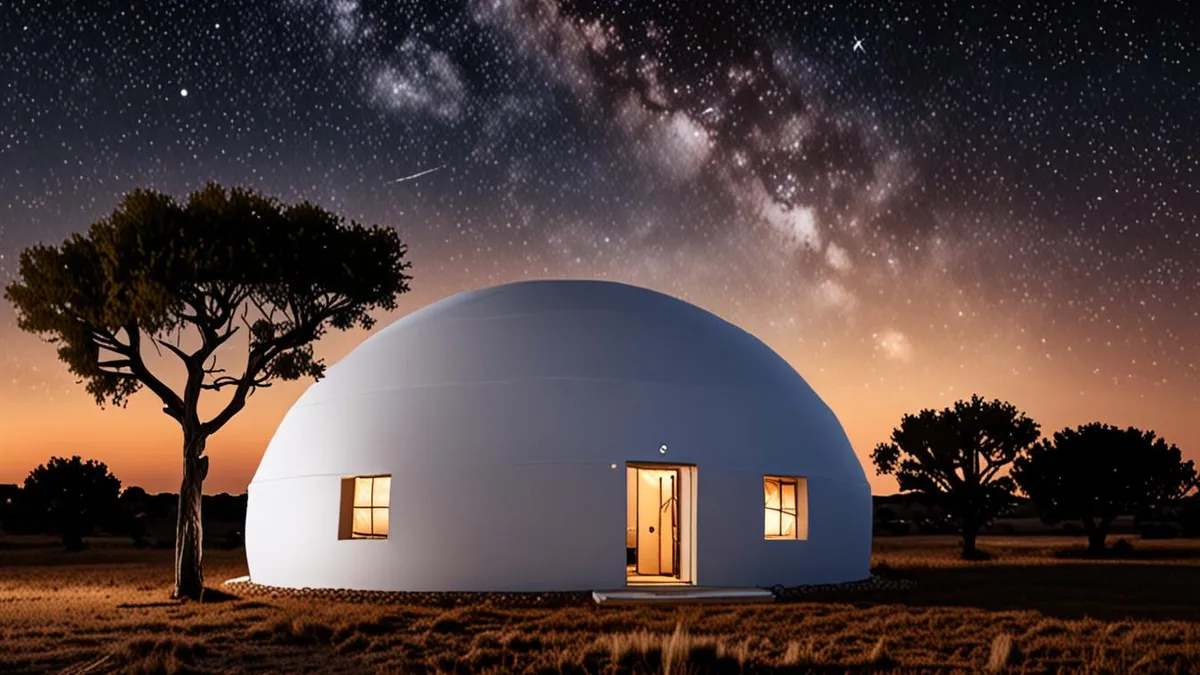
Inland Portugal rewards travelers who time their visits well, and spring and autumn are those times. Alentejo’s rolling plains, cork oak landscapes and dark-sky areas shine in April-May and September-October, when days typically hit a comfortable 18-24°C. In spring, wildflowers cover the countryside and the nights stay clear enough for serious stargazing; in autumn, the heat has eased and the light over the plains is at its best.
The Douro Valley follows a similar rhythm. The best windows are May-June and September-October, which let you avoid the summer heat that builds up among the terraced vineyards. In early summer the vines are lush and green; in autumn the valley takes on golden and red tones around harvest time, making it arguably the most photogenic season of the year.
What the stays are like
Both regions suit dome and cabin stays with landscape views rather than beach access. Think waking up to mist over a river valley or stepping out of a dome onto a terrace overlooking open plains. If your ideal glamping trip involves wine, quiet roads, viewpoints and dark night skies instead of sand and surf, these are the regions to shortlist.
Because these inland areas are quieter than the coast, availability is often easier outside peak summer, but the best-viewed domes and cabins still book up for harvest weekends and spring holidays. Once you’ve picked your season, check what each stay includes—heating, kitchen access and bedding vary more between inland sites than at established coastal ones.
Northern Portugal and Peneda-Gerês in Summer
Peneda-Gerês National Park sits in Portugal’s far north, near the Spanish border, and it behaves very differently from the Algarve. The park is at its most accessible from June to September, outside the wetter northern spring and autumn, when trails are dry and mountain roads are easier to drive. If you want a forest-and-mountains glamping trip, this is your window.
Glamping here means forest clearings and hillside sites with hiking access, not beach amenities. You’ll typically be within reach of marked trails, waterfalls and small villages rather than restaurants on the sand. Most sites are small and low-key, so think of it as a base camp for walking rather than a resort with a pool bar.
What to pack for a northern summer
The single biggest surprise for first-time visitors is the temperature drop after dark. Even in August, nights in the northern mountains fall well below southern temperatures, and a dome that felt airy at dinner can get genuinely chilly by midnight. Pack warm layers, thick socks and a fleece regardless of the forecast, and check whether your tent, cabin or dome includes heating before you book. If you’re especially sensitive to cold, it may be worth reading up on how to stay warm and comfortable while glamping, since the same gear and habits apply to cool mountain nights.
Winter Glamping: Where to Go and What to Book
Winter glamping in Portugal is realistic, but only if you pick the right region. From November to February, stick to the Algarve and Alentejo, where daytime temperatures often reach 15-18°C and heated domes and cabins stay genuinely comfortable. The Algarve’s roughly 300 days of sunshine a year mean even January days can feel mild enough for coastal walks between cozy evenings indoors. The north is a different story in winter, so leave the Douro Valley and the mountains of Peneda-Gerês for the warmer months.
Availability is the good news: winter is low season, so booking 2-4 weeks ahead is usually enough to find a well-reviewed site, often at lower rates than the €80-250 nightly range you’ll pay in summer. The trade-off is that not every listing is built for cold weather, so compare carefully before committing. When browsing, prioritize these features:
- A wood stove or reliable heating — ask whether the stove is included in the rate or costs extra per basket of wood, since fees vary by site.
- Proper insulation — glamping structures with insulated walls or double glazing hold heat far better than thin canvas, so read listings and reviews for mentions of warmth.
- Covered outdoor space — a veranda or canopy lets you enjoy coffee outside on drizzly mornings instead of being stuck inside all day.
- Hot water clarity — confirm whether the shower and kitchen tap have on-demand hot water, as some smaller sites run seasonal systems.
Finally, check the cancellation terms before booking a winter stay. Weather is rarely severe in the south, but a flexible rate gives you peace of mind if a storm rolls through. It also protects you if a site closes for maintenance during the quieter months, which occasionally happens at smaller, family-run operations.
Booking Windows and Costs by Season
Glamping in Portugal is affordable compared with hotels, but prices swing widely by season and region, and booking too late can cost you both money and choice. A little planning goes a long way, especially for summer coastal stays. The good news is that Portugal’s glamping market is broad enough that flexible travelers can almost always find something within budget, provided they match their expectations to the season rather than hoping for a bargain in July. Here’s how to time your booking and set a realistic budget before you start shortlisting sites.
- Identify your season first. Peak-season Algarve and Douro Valley sites — roughly June to September — should be reserved 3-6 months ahead, as the best domes and cabins sell out early. July and August are the hottest and busiest months, so the most scenic units with sea or valley views disappear first.
- Relax your window for shoulder season. Spring and autumn trips typically need only 4-8 weeks’ notice, which makes spontaneous getaways much more feasible inland. Shoulder months also tend to offer better value per night.
- Set a nightly budget of €80-250. Summer coastal sites sit at the top of that range, while inland shoulder-season sites usually fall at the bottom, so the same budget buys very different experiences depending on when you travel.
- Compare what’s included, not just the price. Heating, kitchen access and bedding aren’t always standard, and a €100 rate that charges extra for wood and linens can cost more than a €130 all-inclusive one. Ask about cleaning fees and minimum stays too, since both can change the final math.
If you want a deeper breakdown of how different stay types compare on price, this guide to what glamping costs by accommodation type is a useful next step. And whatever your budget, check current rates directly with hosts, since prices shift with demand and new sites open every year.
Matching Your Trip to the Right Region
The main takeaway is simple: Portugal works for glamping in every season, but the region has to match the month. Beach-focused travelers get the most from the Algarve between April and October, while wine and scenery lovers should aim for the Douro Valley and Alentejo in spring or autumn, when the landscapes are at their best and the heat is manageable.
Summer hikers will find their sweet spot in the north, with Peneda-Gerês at its most accessible from June to September, while winter travelers should stay south, where the Algarve and Alentejo keep things mild. Before shortlisting any site, match your booking window and budget to the season — peak coastal stays need far more lead time than shoulder-season trips inland. If this helped you plan your trip, leave a comment or share the article with a fellow traveler.