You found a stunning safari tent or a glass dome in the woods, and now comes the tricky part: picking a date. Book the wrong month and you could face cold nights, closed bathhouses or rates that double the moment summer hits. Book the right one, and you get mild evenings, open amenities and a price that leaves room in the budget for extras.
This guide walks you through the glamping season month by month, so you know exactly what to expect before you pay a deposit. We cover how the season shifts between deserts, mountains and temperate regions, what spring and summer bring, and why fall and winter trips can be surprisingly rewarding. You will also find advice on when to book each type of stay, how the calendar affects prices, and which months suit families, first-timers and cold-weather travelers best. By the end, you should be able to match your trip style to the right stretch of the year with confidence.
What Is Glamping Season and Why It Varies
Glamping season is the stretch of months when sites are open, the weather is comfortable and demand is at its highest. In practice, it is the window when you can show up with a duffel bag, sleep warm in a real bed under canvas, and enjoy outdoor amenities like fire pits, bathhouses and outdoor kitchens without fighting the elements.
In most temperate regions, that window runs from May to September. But the exact shape of the season shifts with the climate. Desert destinations flip the script: summer heat is brutal, so their best months land in spring and fall, when days are warm and nights are cool enough to sleep well. Mountain areas work the opposite way, with a short but glorious peak in summer and snow closing many sites the rest of the year.
Season also depends on the stay type
Here is the part many travelers miss: the season depends on the stay type as much as the destination. Some operators stay open year-round with insulated domes and heated cabins, so a January trip is entirely possible if you pick the right accommodation. A basic canvas tent, on the other hand, usually comes down for winter no matter where it sits. Before you plan around a calendar, check whether your chosen site actually operates in your month, and what its cold-weather or shoulder-season setup looks like.
Month-by-Month Breakdown: Spring and Summer
Spring and summer are when the glamping calendar really opens up. March and April mark the start of it: many sites begin reopening after their winter break, nights are still cool, and crowds are at their lowest of the year. These months are especially good for desert and southern destinations, where daytime temperatures are pleasant rather than punishing. Pack warm layers for the evenings, and you can often snag an early-season deal with plenty of availability.
May and June bring the transition from shoulder season toward peak. Temperatures turn mild across most regions, wildflowers hit their stride in many areas, and prices stay below the summer highs. This is one of the most forgiving stretches of the year for first-timers: sites are fully staffed, amenities are running, and the weather rarely ruins a trip. If rain is in the forecast, a little preparation goes a long way, and our guide to glamping in the rain covers how to stay dry and still enjoy it.
Peak season: July and August
July and August are peak season, and it shows. Nights are warm, every amenity is running, and the atmosphere at popular sites is lively. The trade-offs are the year’s highest prices, typically $150-400 per night, and campsites booked solid on weekends, sometimes months in advance. If your heart is set on a July or August weekend, plan early; if you can travel midweek, you will usually find better rates and quieter grounds.
Month-by-Month Breakdown: Fall and Winter
Fall is the sweet spot many seasoned glampers guard quietly. September and October deliver warm days, crisp nights and, in many regions, spectacular fall foliage right outside your tent flap. Because demand drops after the summer rush, prices in these shoulder months often run 20-40% below peak, making it one of the best value windows of the entire year. You still get most amenities and full staffing at established sites, without the weekend crowds of July.
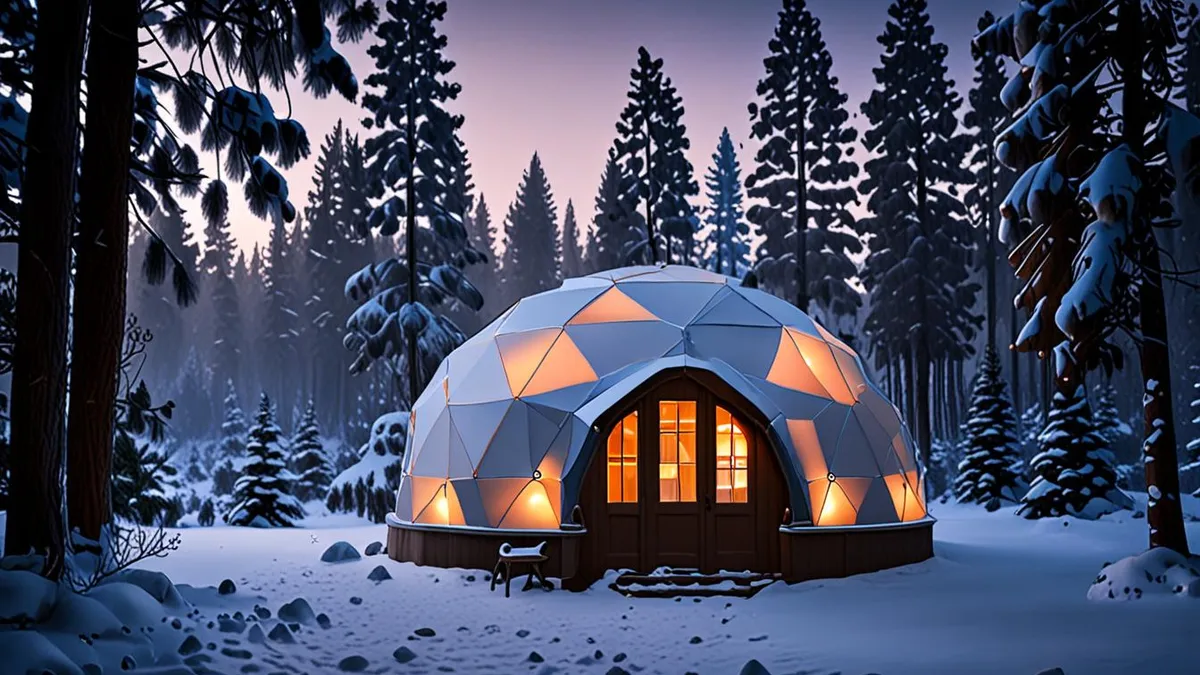
November through February is a different story. Many glamping sites close entirely during these months, so your options shrink considerably. The ones that stay open generally offer insulated domes, heated cabins and wood stoves, with winter rates from $100-250 per night. These stays are built for the cold, but you still need to prepare properly.
Is winter glamping worth it?
Winter trips suit travelers who want snow scenery, quiet trails and a wood stove crackling while the temperature drops outside. There is something genuinely special about watching snowfall from inside a warm dome. The catch is preparation: cold-weather trips require proper clothing, an understanding of how the heating works, and a check that roads and site access are reliable in winter conditions. Our guide on how to stay warm and comfortable while glamping in winter walks through the essentials before you commit to a cold-season booking.
When to Book for Each Season
Timing your booking matters almost as much as picking the destination. For peak-season weekends in June, July and August, most popular glamping sites fill up far in advance, so plan on booking 3-6 months ahead. Holiday weekends like Memorial Day and Labor Day are even tighter, and the most sought-after units such as domes and safari tents often sell out first.
Shoulder-season trips are much easier on your schedule. Stays in April, May, September or October can often be booked just 4-8 weeks out, and you will usually find more flexibility to shift dates if the forecast looks rough or your plans change. If you have your heart set on a specific unit rather than a specific weekend, shoulder season is when that kind of spontaneity still works.
Winter is the wildcard. Because many sites close entirely between November and March, the ones that stay open often see low demand, which means last-minute deals are common. Before you jump on one, though, it pays to review what to check before booking a glamping site, since winter stays have extra requirements.
- Confirm the heating setup. Ask whether the unit has a wood stove, electric heat or propane heater, and whether it runs overnight or needs refueling.
- Check winter road access. Some sites reduce staffing or close certain access roads in cold months, so confirm how you will reach your unit and whether a four-wheel-drive vehicle is recommended.
- Ask about arrival support. With fewer staff on site in winter, find out whether someone will meet you, leave a key or send detailed self-check-in instructions.
How Season Affects Glamping Prices
Glamping prices swing with the calendar more than most travelers expect. During peak season, which runs from May to September in most regions, nightly rates sit at their highest, and the stay type you choose has a big effect on what you pay. Safari tents and geodesic domes usually command the top rates because they offer more space and more dramatic settings, while smaller cabins and yurts typically cost less.
Shift your trip into the shoulder months of April, May, September or October and the same sites often charge noticeably less, with discounts of 20-40% compared to peak. Midweek stays can save even more on top of that. A dome that commands top dollar on a July Saturday can be a genuine bargain on a Tuesday in late September, often with better weather than July in some regions.
Why off-season “deals” need a closer look
Between November and March, many glamping sites close entirely, so the options that remain are limited to insulated stays like domes and heated cabins. That scarcity means a low headline price may not be much of a deal once you compare what is included. A cheaper winter cabin without a private bathroom or kitchenette can cost less upfront but deliver less value than a slightly pricier dome with full amenities. Before assuming any off-season rate is a bargain, compare stay types side by side and check exactly what each price covers, from bedding and heating to meals and on-site facilities.
Choosing the Right Month for Your Trip
The best month for a glamping trip depends heavily on who is going and what you want from the experience. A family with young kids has different needs than a couple celebrating an anniversary, and first-timers need more forgiving conditions than seasoned campers. Matching the month to your group is the single easiest way to make the trip work.
Families with school-age children do best in June or late August. Both fall inside school holidays, so the timing works around the academic calendar, but they avoid the deepest July crowds. Sites are livelier than in spring yet noticeably calmer than mid-summer peak weekends, and late August often brings cooler evenings for sleeping.
If you have never glamped before, aim for May-June or September. Weather in these months is generally mild and forgiving, sites are fully staffed, and you get a true picture of what glamping offers without fighting peak-season crowds or shivering through a cold snap.
Rain is the other factor to plan around. In many temperate regions, the rainiest months run from October through February, so trips in that window call for waterproof gear and, ideally, covered common areas where you can cook or relax without getting soaked.
- Verify which amenities actually operate in your month. Outdoor kitchens, bathhouses and pool areas may run on limited hours or close entirely in early spring or late fall, so ask before booking rather than assuming everything is open.
- Check on-site food options by season. Some sites run cafes, farm dinners or breakfast service only during peak months, and a site that feeds you in July may leave you self-catering in October.
- Ask about staffing levels. Fully staffed months mean quicker help with fires, bedding and questions, while shoulder and off-season visits may run on a skeleton crew or self-check-in only.
Wrapping Up the Glamping Season Calendar
So, when is glamping season? For most destinations, the answer is May to September, when the weather is warm and every site is open for business. If you want the best mix of good conditions and lower prices, aim for the shoulder months of April, May, September and October, when rates often run 20-40% below peak and the crowds thin out nicely.
Timing your booking matters just as much as picking the month. Reserve peak-season weekends 3-6 months ahead to lock in the popular spots, while flexible travelers can often find great value in the shoulder season on shorter notice. And if you’re drawn to snow-dusted landscapes and quiet nights, winter glamping in insulated domes and heated cabins is a real option, as long as you prepare for the cold. Whichever month you choose, there’s a glamping trip out there with your name on it. Have a favorite season for glamping, or a tip to share? Let us know in the comments or pass this guide along to a fellow traveler.