You’re scrolling through booking sites, and the word “lodge” keeps popping up — safari lodge, ski lodge, fishing lodge. But what is a lodge, exactly, and how is it different from the hotel down the street or the cabin you rented last summer? The label gets used loosely, and that can make comparing options genuinely confusing.
This guide breaks it down. We’ll start with a clear definition of what makes a lodge a lodge, then compare it directly against hotels, cabins and resorts. From there, we’ll walk through the main types — safari and wildlife lodges, mountain and ski lodges, and fishing, ranch and wilderness lodges — since each works differently in practice. Finally, we’ll cover what a lodge stay typically costs, how to book one well, and how to match the right lodge type to your trip. By the end, that vague listing label will make sense, and you’ll know exactly what you’re paying for.
What Is a Lodge? The Core Definition
A lodge is a smaller, often remote accommodation built around a natural setting or a specific activity, rather than around a city center or a highway exit. Think of a timber building beside a national park, a tented camp on the edge of a game reserve, or a stone-and-wood property at the base of a ski valley. The location and the experience come first; the building is designed to fit into them.
Size is one of the clearest markers. Lodges typically have around 10-50 rooms or units, far fewer than a standard hotel, which keeps the atmosphere intimate and often means staff get to know guests by name. Many lodges lean into that small scale with shared communal spaces: a great room centered on a fireplace, a communal dining hall where everyone eats at set times, and an outdoor terrace or fire pit built for swapping stories at the end of the day.
A destination in itself
Another defining trait: many lodges are positioned as the destination, not just a place to sleep. It’s common for a lodge to sit 1-3 hours from the nearest airport or town, sometimes reached by small plane or boat. That remoteness is deliberate — guests come for the setting, the wildlife or the activity, and the lodge provides everything on site, from meals to guided excursions.
How a Lodge Differs From a Hotel, Cabin and Resort
The easiest way to understand a lodge is to compare it with the stay types it gets confused with. A hotel is usually an urban or roadside property with standardized service: a front desk, set room categories and few, if any, built-in activities. A lodge is nature-based by design, and the activities — guided hikes, game drives, fishing trips — are typically part of the experience, not an add-on you arrange separately.
Lodges vs. cabins and resorts
A cabin is a self-catering, single unit: you bring or buy your own food, cook for yourself and manage your own days. A lodge adds staff, a dining operation and guided experiences on top of the accommodation, so you’re paying for a hosted stay rather than just four walls. A resort sits at the other end of the scale — a large complex with pools, entertainment and lots of amenities — while a lodge stays small and lets the landscape do the entertaining.
Service style differs too. Instead of front-desk formality, lodges lean on hosts and guides: the same people who greet you at dinner often lead your morning activity. If you’re still weighing your options, our guide to lodge vs cabin vs resort: which stay type fits your trip walks through the decision in more detail.
Safari and Wildlife Lodges
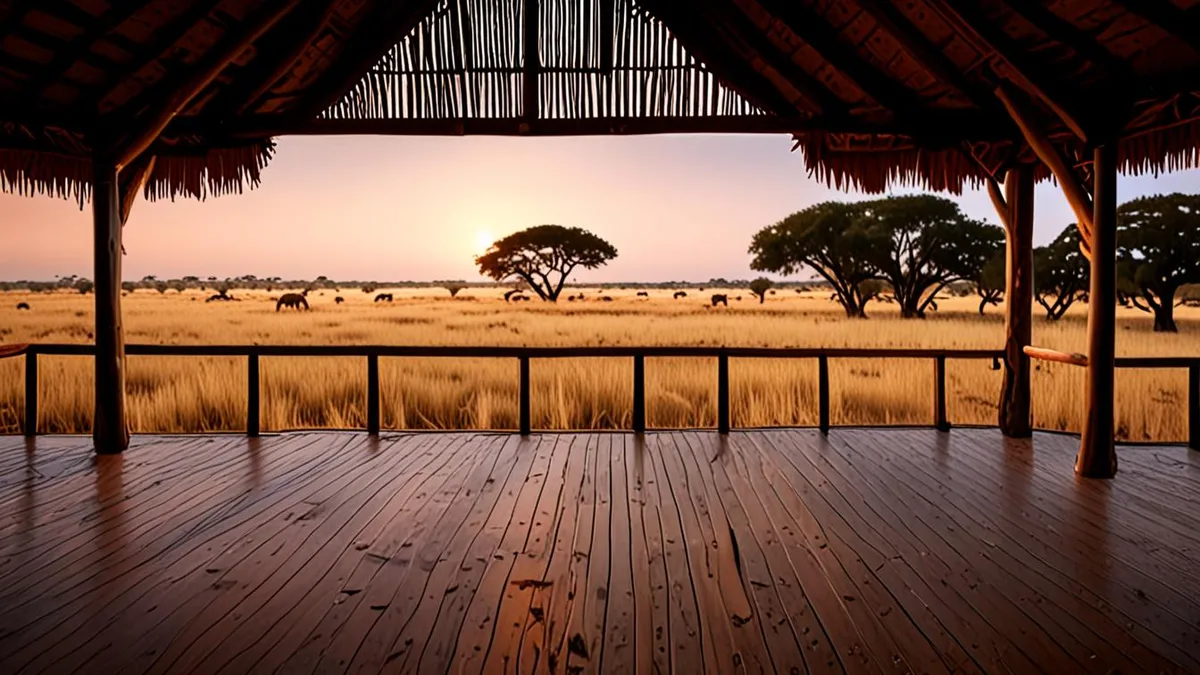
Safari and wildlife lodges are the category most people picture first. They typically use thatched or tented structures placed inside or beside game reserves, often designed to blend into the landscape rather than stand out from it. Because reserves are far from towns, the lodge usually becomes your entire world for a few days — you sleep, eat and set out on game drives from the same property.
Most safari lodges bundle full board plus guided game drives into the rate, so the price you’re quoted generally covers your room, all meals and twice-daily excursions with a guide. That bundling is one of the biggest differences from a regular hotel booking, and it’s why comparing nightly rates alone can be misleading.
Timing matters in this part of the world. In East Africa, the peak dry season runs from June to October, when wildlife viewing is at its best and demand is highest. For those months, plan to book 6-12 months ahead — the best-positioned camps fill early. If you’re new to this style of travel, our first-timer’s guide to what to expect at a safari lodge covers the day-to-day rhythm in detail.
- Drive times: some camps are a short hop from the airstrip, while others involve an hour or more on rough tracks — ask before you book if long transfers are a concern.
- Water availability: remote camps may rely on boreholes or delivered water, and some limit laundry or long showers during dry stretches.
- Camp size: smaller camps of a handful of tents feel more exclusive but book out faster, while larger lodges offer more amenities and set schedules.
Mountain, Ski and Alpine Lodges
Alpine lodges are built to handle real mountain weather, and you notice it the moment you walk in. Most are constructed from timber and stone, with a big fireplace or wood stove anchoring the common room. Practical touches set them apart from ordinary hotels: a boot room for leaving wet footwear, drying racks or heated rooms for ski gear and gloves, and thick walls that keep the building warm through heavy snow.
Location is the other defining feature. Some lodges sit directly on the slopes, so you can clip into your skis at the door and glide back at the end of the day. Others serve as valley-base lodges, sitting in the village below with lifts a short shuttle or walk away. These tend to cost less and give you easier access to restaurants and shops, while ski-in/ski-out spots trade convenience for price and views.
Winter and summer seasons
The peak season runs from December to March, when slopes are at their best and lodges fill up months in advance. But don’t write off the warmer months. From June to September, the same properties shift their focus to hiking and mountain biking, with guided trails replacing chairlifts and often a calmer, cheaper atmosphere overall.
Swiss alpine lodges deserve a special note, because conditions vary widely by valley elevation and season. A lodge at 1,600 meters may have a completely different snow season, hiking window and access situation than one in a lower valley village. It helps to match the region to the time of year you’re traveling, and the differences between valleys are bigger than most first-time visitors expect. If Switzerland is on your list, this guide to choosing the right Swiss alpine region for each season breaks down where to go and when.
Fishing, Ranch and Wilderness Lodges
Fishing, ranch and wilderness lodges all share one thing: the activity is the reason the lodge exists. That shapes everything from where they’re built to how you pay for your stay.
Alaska fishing lodges run a famously short season, roughly June through September, timed around salmon runs. Because the window is narrow and the best weeks fill quickly, availability is tight and planning ahead matters more than at almost any other lodge type. Guides, boats and gear are usually part of the deal rather than an add-on.
Ranch lodges work differently. Instead of a single seasonal activity, they pair comfortable rooms with horseback programs and the rhythms of a working ranch. Guests often join morning rides, help with cattle routines if they want to, and eat family-style meals with staff and fellow guests.
Wilderness lodges push remoteness furthest. Many have no road access at all and are reached only by small plane or boat, which is part of the appeal and part of the planning challenge.
- All-inclusive pricing is the norm: rates usually bundle guides, boats or equipment into the nightly price, so a headline rate that looks high may actually cover what other lodges charge for separately.
- Access logistics need checking early: fly-in lodges depend on weather for scheduled bush flights, so build buffer days into your itinerary in case a flight is delayed.
- Season timing drives fish quality: different salmon species run at different points in the June-September window, so ask operators which weeks match the species you want to target.
- Ranch stays vary in intensity: some welcome total beginners with gentle trail rides, while others expect guests to join genuine cattle work, so confirm the program level before booking.
What a Lodge Stay Costs and How to Book It
Lodge pricing varies more than hotel pricing because so much is bundled into the rate. At the simple end, expect around $150 per night for a basic room. Luxury lodges, especially remote ones with full service, can run well over $1,000 per night. That spread isn’t just about comfort; it reflects how much food, guiding and logistics are included.
What’s actually bundled in the rate
This is the question that matters most. Two lodges with similar nightly prices can cost very different amounts in reality. One may include all meals, airport transfers and daily guided activities, while another charges for each separately. Safari lodges commonly bundle full board and guided game drives into the rate, which is why their sticker price can look steep compared to a room-only hotel. Always compare the total cost of your stay, not just the nightly figure.
Timing and booking tips
Remote lodges need longer lead times than typical hotels, and the most sought-after weeks sell out first. With only a few dozen rooms at most, a small lodge can be fully booked well before a large hotel in the same region would even start filling up. Once you’ve settled on dates, check the cancellation terms carefully. Many remote lodges have stricter policies than city hotels, partly because a last-minute empty room is much harder to resell.
Families should do extra homework before committing. Room configurations vary widely, and some lodges simply don’t accommodate children or set minimum ages for guided activities. Verify how many guests fit in a family unit, whether connecting rooms exist, and what the child policy actually says. A quick email to the lodge before booking can save a costly disappointment later.
Wrapping Up: Choosing the Right Lodge
So, what actually separates a lodge from the hotels, cabins and resorts you see in the same booking listings? It comes down to small scale, a natural setting and stays built around an activity. With often just 10-50 rooms, a lodge feels closer to a private home than a hotel block, and the experience usually starts at the property itself rather than at a front desk.
Type matters, too. Safari, alpine, fishing and ranch lodges each work differently, from bundled game drives to seasonal salmon runs. Costs typically run from $150 to $1,000+ per night depending on what’s included, so check meals, transfers and guides before comparing prices. And match the lodge type and season to your trip before booking, since peak windows fill up fast. If this helped you decode your next search, leave a comment or share the article with a fellow traveler.