You want a nature stay, but every booking page blurs together: one listing shows a timber cabin with a wood stove, the next shows a safari-style tent with fairy lights and a deck. Both look cozy, both cost real money, and it’s hard to tell which one actually gives you more comfort for what you’ll pay. That’s the core of the cabin vs glamping tent decision, and it comes down to a few practical differences most listings don’t spell out.
This guide compares the two stay types side by side. We’ll look at how they’re built and where they’re set up, how each handles cold nights, rain noise and sleeping quality, what kitchens and bathrooms you can realistically expect, and what drives the nightly price. Then we’ll cover the best time to book each one and give you a simple way to decide based on your travel dates, your tolerance for weather and how much a private bathroom matters to you. By the end, you’ll know exactly which type fits your trip.
Cabin vs Glamping Tent: The Core Differences
At first glance, a cabin and a luxury tent can look surprisingly similar in photos: both sit on wooden platforms, both come with real furniture, and both promise a stay surrounded by trees. The difference starts with what the walls are made of.
What defines each stay type
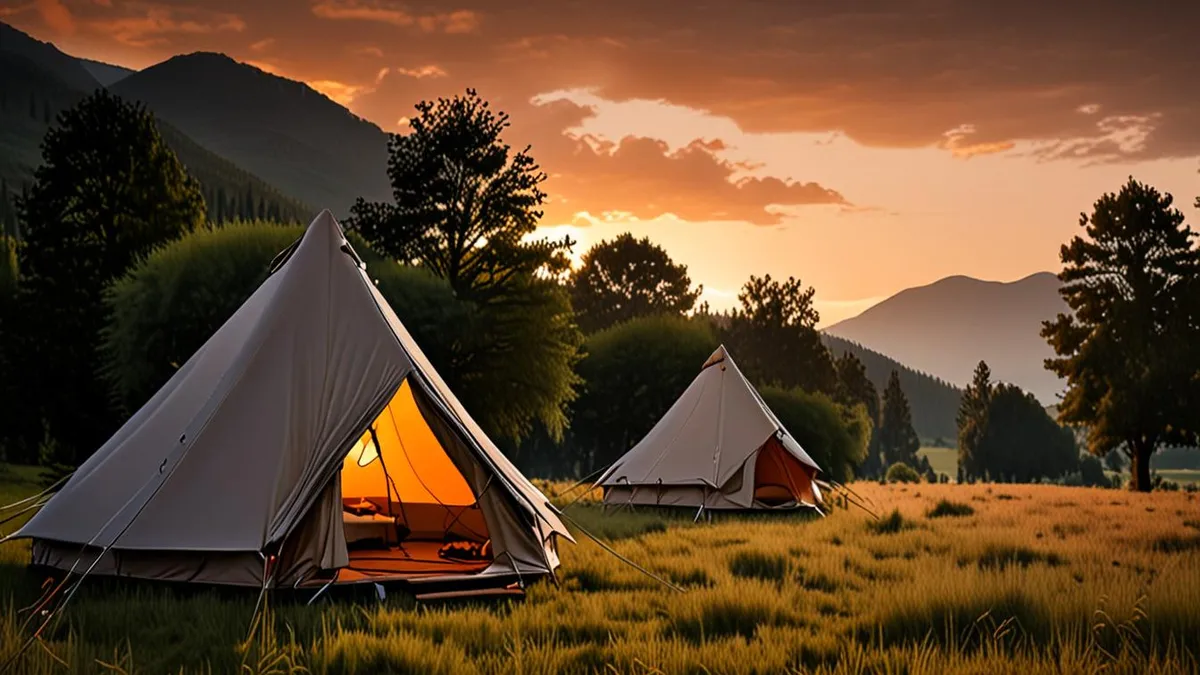
A cabin is a solid structure with walls, insulation and a lockable door. It behaves like a small home: you can heat it, close it against the weather and leave your belongings secure while you hike for the day. A glamping tent, on the other hand, has canvas walls. Even the most luxurious safari-style tent is still fabric stretched over a frame, which shapes everything from how warm it stays to how quiet it is at night.
How close do you want to be to the outdoors?
This is where personal preference matters. Canvas keeps you closer to the sounds and feel of the outdoors: you’ll hear birds at dawn, wind moving through the trees and rain arriving overnight. Some travelers love exactly that; others find it keeps them awake. A cabin mutes all of that and feels more like a small home, with the outdoors something you step into rather than sleep inside.
There’s also a practical difference in how these stays exist on a site. Cabins are permanent structures that stand year-round, which is why they’re typically bookable in any month, including winter. Glamping tents are often seasonal setups: many operators take them down or close them for the colder months, then re-erect them in spring. In most temperate regions, that means the glamping season runs roughly April to October. Knowing this early helps you narrow your options before you even look at prices.
Comfort: Temperature, Noise and Sleeping Quality
Comfort is where the two stay types separate most clearly, and it usually comes down to temperature and noise. A tent can look just as inviting as a cabin in photos, but the experience at 11 p.m. on a chilly night is very different.
Staying warm at night
Cabins hold heat well. With solid walls and insulation, they stay comfortable even when temperatures drop below 10°C outside, and most have heating you can control yourself. Canvas tents are the opposite: they insulate poorly, so once nights drop below about 10°C, you’ll need a heater or a wood stove to sleep comfortably. Many glamping operators provide one, but it’s worth confirming before you book a shoulder-season or early-spring stay. If you’re planning a cold-weather trip in a tent, it helps to read up on how to stay warm and comfortable while glamping in winter before committing.
Noise and sleeping quality
Sound travels differently in each. Wind and rain are clearly audible through tent canvas, which some guests find soothing and others find disruptive. A cabin dampens weather noise, so a storm outside feels distant rather than overhead. Neither option guarantees silence in the countryside, but the cabin gives you a quieter baseline.
Sleeping setups are more similar than you might expect. Both stay types usually offer real beds with proper mattresses, so you’re not roughing it in either one. The difference is underfoot: tents often have thinner flooring, or rugs laid over a ground-level deck, which can feel cool on bare feet in the morning. Cabins have solid floors throughout. If you’re a light sleeper or someone who feels the cold easily, those small details add up over a multi-night stay.
Kitchens and Bathrooms: What You Actually Get
Kitchens and bathrooms are where the price difference between the two stay types often hides. Two listings can look equally luxurious online, yet offer very different daily routines once you arrive.
Most cabins include a private bathroom and at least a kitchenette as standard. That means you can shower without leaving your unit, keep breakfast supplies in a small fridge and cook simple meals without planning around shared schedules. For many travelers, this alone justifies the higher nightly rate.
Glamping tents vary much more widely. At the luxury end, you’ll find en-suite tents with full bathrooms and sometimes surprisingly well-equipped kitchen areas. At the simpler end, facilities sit in a shared bathroom block a short walk from your tent, which changes how you plan mornings and midnight trips in the rain. Cooking in tents is often limited to a communal kitchen or an outdoor BBQ area, so meal times become a shared affair rather than something you control. If you want a clear picture of what different setups look like, this overview of what to expect at a glamping site, from bathrooms to kitchens covers the common arrangements.
Before booking either type, check which of these you’re actually getting:
- Private vs shared bathroom: some glamping sites charge a premium for en-suite tents, so a tent with its own bathroom can cost nearly as much as a cabin.
- Cooking equipment: a kitchenette in a cabin usually includes a stove and basic cookware, while a communal kitchen may require you to bring or borrow utensils.
- Distance to facilities: at tent-only sites, ask how far the bathroom block is from your unit; a two-minute walk feels very different at night in the rain.
- Food storage: shared kitchens often have limited fridge space, which matters if you’re staying several nights and planning to self-cater.
The practical takeaway: if cooking your own meals and a private bathroom are non-negotiable, a cabin makes that easy. If you’re happy with communal facilities and eating out or barbecuing, a tent can work well and sometimes save you money.
Cost: Nightly Rates and What Drives the Price
Glamping tents typically run $120–$300 per night, while cabins usually cost $150–$350. That means a cabin often costs $30–$50 more per night than a comparable tent at the same property. The gap comes down to what’s included: solid walls, insulation and, in most cases, your own bathroom.
Why peak season changes everything
July and August are the expensive months. Peak-season dates push rates for both stay types up 30–50% over shoulder season, so a tent that costs $150 in June can easily approach $200 or more in mid-summer. Cabins climb the same curve, which means the absolute price difference between the two options can widen noticeably if you travel in peak weeks.
Facilities are where the comparison gets interesting. A cabin’s higher nightly rate usually bundles in a bathroom of your own plus a basic kitchenette. Some glamping sites charge extra for en-suite tents, so a “cheap” tent with a private bathroom add-on can end up costing as much as the cabin you passed over. Ask about this before you book.
If you want a fuller breakdown of what different stay types cost, this guide to glamping prices by stay type walks through the details. As a rule of thumb: book a tent for the lower entry price in warm months, and a cabin when private facilities and year-round availability matter more than saving a little per night.
When to Book Each: Season and Lead Time
Availability is the first thing to sort out. Glamping tents in most temperate regions operate roughly April to October, then come down for the winter. Cabins are bookable year-round, including the coldest months, so a cabin is often the only realistic option if you’re planning a December or February escape.
Lead time matters just as much as the calendar. At popular sites, summer weekends disappear early, so aim to reserve 2–3 months ahead for either stay type. Midweek dates and shoulder-season trips are far more forgiving if you book late, and you can often still find space a week or two out.
- May and June: nights are usually warm enough for a tent without heavy heating, yet rates sit well below July–August levels, making these the sweet spot for glamping on a budget.
- September: daytime weather is often still pleasant, crowds thin out after the school holidays, and both tents and cabins return to shoulder-season pricing.
- Winter months: only cabins are realistically on offer, and some sites discount them outside the main season, so it can pay to ask about off-peak rates.
If your dates are flexible, shifting a trip by a few weeks into May, June or September usually gets you the best price-to-comfort ratio of the whole year. You avoid the peak-season rush, pay noticeably less for the same accommodation, and still enjoy weather that suits a canvas tent. Before locking anything in, double-check the site’s cancellation terms, since shoulder-season bookings often come with friendlier change policies than summer ones.
How to Choose Between a Cabin and a Glamping Tent
Both options deliver a memorable night away, but they suit very different travelers and seasons. The trick is matching the stay to your trip rather than picking whichever looks prettier in the photos. A little honest planning before you book saves you from shivering through the night or paying for space you never use. Work through these five steps before you commit.
- Check your travel dates. If you’re traveling in winter or late autumn, a cabin is usually the practical choice since glamping season in most temperate regions runs roughly April to October. Cabins, on the other hand, are bookable year-round, including the winter months.
- Be honest about cold tolerance. Canvas offers little protection against the cold, and chilly nights can make a tent uncomfortable unless there’s a heater or wood stove inside. If you’re the type who wears socks to bed at home, lean toward a cabin with solid walls.
- Decide how much the bathroom matters. Cabins almost always include a private bathroom, while many glamping tents share facilities in a block a short walk away. If that midnight walk in the rain doesn’t appeal, book the cabin.
- Verify the heating setup. Ask the site directly whether tents have a wood stove or electric heater, whether bedding is rated for cold nights, and whether any of it costs extra.
- Read the cancellation terms. Weather-sensitive tent bookings especially benefit from flexible terms, so check what happens if a storm rolls in and you need to move your dates.
Once you’ve run through this list, the right answer is usually obvious. If two boxes point one way and one points the other, let the bathroom question break the tie — it’s the difference travelers regret most often when they guess wrong. And if you’re still torn, remember that shoulder-season trips give you the best of both worlds: milder nights for a tent, or lower rates for a cabin.
The Bottom Line
So which one gives you more comfort for your money? If your trip falls outside the April to October glamping season, or if a private bathroom and solid walls matter to you, the cabin justifies its higher rate of $150–$350 per night. You get year-round availability, better insulation and a quieter night regardless of the weather.
If you are traveling in warmer months, tolerate a bit of wind noise and don’t mind shared facilities, a glamping tent at $120–$300 per night delivers more atmosphere per dollar. The choice really comes down to your travel dates, your weather tolerance and how much a private bathroom matters. If this helped you decide, leave a comment or share the article with a friend planning the same debate.