You’ve picked your dates, found a stunning location, and then the doubt creeps in: will that beautiful glamping stay actually be comfortable when real weather hits? The glamping domes vs safari tents question trips up a lot of travelers, because both look dreamy in photos but behave very differently in wind, cold, heat and rain. Pick the wrong one for your trip’s conditions, and a romantic getaway can turn into a shivery or sweaty night.
This guide compares the two side by side. We’ll look at how each structure handles weather, which stays warmer in cold snaps and which breathes better in summer heat, plus how they cope with rain and damp. Then we’ll get practical: space, beds and bathrooms, what each type typically costs and when to book, and finally, which one you should choose for your specific trip.
Glamping Domes vs Safari Tents: How Each Structure Handles Weather
When it comes to weather, the two structures behave very differently, and the shape of each one explains most of it. A geodesic dome is essentially a curved shell, so rain and snow slide off evenly in every direction. There are no flat panels or shallow corners where water can pool, which is why domes tend to shrug off a night of heavy rain or a modest snowfall without any drama inside.
How each roof shape deals with rain and wind
Safari tents take a different approach: a steeply pitched canvas roof that drains well in steady rain. Water runs off the slopes quickly, and good operators re-proof the canvas so it stays water-resistant. The trade-off shows up in the sound and the movement. In strong gusts, canvas can flap, creak and billow, which some guests find cozy and others find hard to sleep through.
Wind is where the rigid frames of domes have a clear edge. A geodesic frame distributes force across the whole structure and typically handles winds up to around 90 km/h (56 mph), along with reasonable snow loads. Safari tents lean on guy lines and tensioned poles instead, and after a serious storm those lines often need retensioning to pull the canvas taut again. A wobbly tent wall is usually a maintenance issue rather than a safety one, but it does mean a mid-stay check by staff is welcome.
One practical note: because safari tents in cold regions are typically taken down or winterised from November to March, wind and snow performance matters mostly for domes if you are planning an off-season trip. In summer, both structures cope fine with ordinary breezes, so the difference only really shows in exposed, storm-prone sites.
Warmth and Insulation: Which Stay Wins in Cold Weather
When temperatures drop, the two structures behave very differently. A properly insulated dome, with panel linings or a small wood stove, holds heat comfortably at outdoor temperatures down to around -10°C (14°F). The rigid shell and lined panels trap warmth far better than fabric, so a single stove can keep the whole space cozy through the night.
Single-layer canvas safari tents are a different story. Canvas loses heat fast once the fire dies down, and interiors can feel close to the outside temperature by early morning. That is why operators in freezing regions typically close or winterise their safari tents from November to March, and why safari-tent stays are rare in genuinely cold climates.
How quickly does each one warm up?
Domes have a clear advantage here. Because the interior is a compact, enclosed volume, a small heat source warms the space within an hour or so. Light the stove after dinner and the dome is comfortable long before bedtime. A safari tent needs a much bigger fire and still cools down quickly overnight.
One trade-off: a sealed, well-insulated dome can feel stuffy without roof vents. Warm air rises and moisture from breathing and cooking collects at the top, so look for stays with adjustable vents at the apex. If you are planning a cold-season trip, our guide to glamping in winter and how to stay warm and comfortable covers packing and stove tips in more detail.
Heat and Ventilation: Staying Cool in Summer
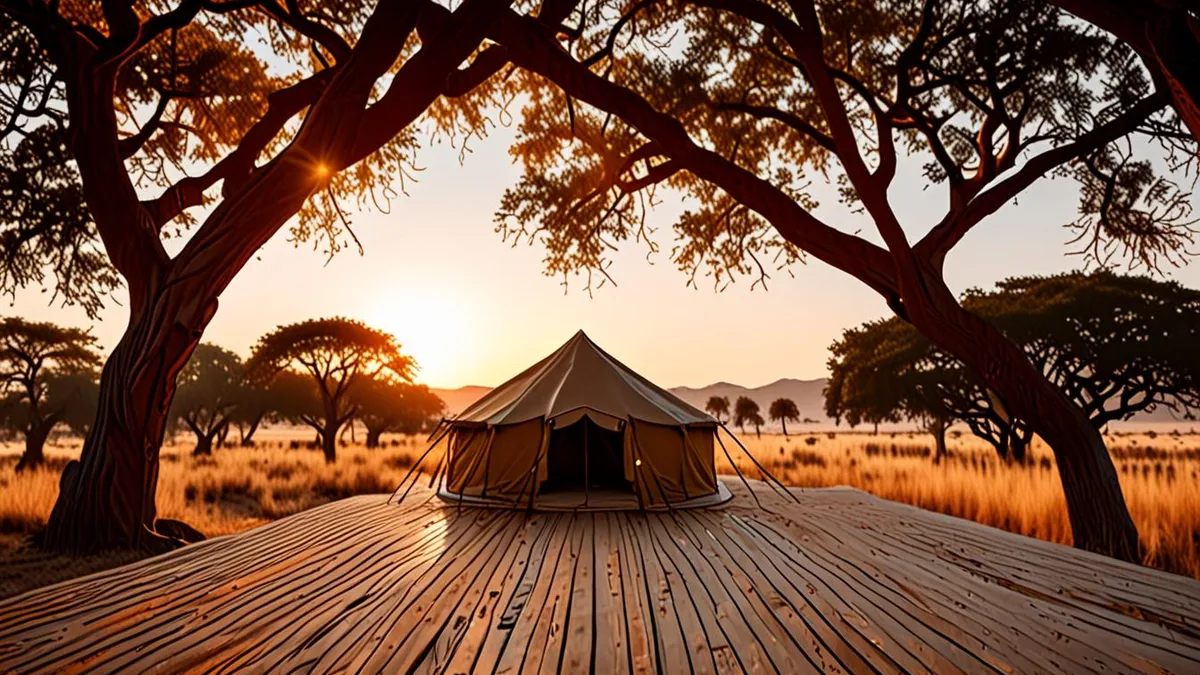
When the summer sun hits hard, canvas safari tents have a clear advantage. Their breathable fabric allows air to move through the structure naturally, so in heat above 30°C (86°F) the interior stays noticeably cooler than you might expect. Most safari tents also have mesh panels on the sides, which let breezes pass through while keeping insects out.
Domes behave differently. Their rigid shells and large transparent panels can turn a sunny afternoon into a greenhouse, especially in July and August when the sun sits high for hours. Well-designed dome sites deal with this by placing the structure in shade or fitting removable shades over the clear panels. If you are booking a dome for midsummer, ask the host how they manage sun exposure before you commit.
Why cross-ventilation matters most
Whichever structure you choose, airflow is the real comfort factor. A tent or dome with mesh windows on opposite walls and a ceiling vent will stay far cooler than a sealed one, even on the hottest days. Check the listing photos for these features, and read recent reviews from summer guests to see whether the stay actually felt comfortable in the heat.
One more tip: summer heat often brings afternoon thunderstorms, and ventilation plays a role there too. Our guide on how to stay dry and enjoy glamping in the rain covers what to do when a hot day ends in a downpour.
Rain, Humidity and Damp: Comfort in Wet Conditions
Rain is where these two structures start to feel very different. A dome’s hard shell acts like a roof over your whole room: water runs off the curved surface, so the interior stays dry even during long storms. The catch comes at night, when warm air from your breath and a heater meets a cold shell. Without ventilation, condensation can form on the inside of the dome and drip or fog over the panels by morning.
Canvas safari tents handle steady rain well at first, because the pitched roof drains water quickly. But after 24 or more hours of continuous rain, the fabric itself starts to feel damp, and that moisture works its way into bedding and soft furnishings. You will usually need a dry spell for everything to air out before the tent feels fresh again.
What actually makes a rainy stay enjoyable
Whichever structure you book, the details around it matter more than the shell itself. A covered porch or an elevated deck gives you somewhere to sit with a coffee while the rain falls, instead of being stuck inside a small space all day. Before booking, look for stays that mention a covered outdoor area, good ventilation options, and raised flooring that keeps mud and puddles away from your door. Those features will do more for a wet-weather trip than the choice between dome and tent.
Everyday Comfort: Space, Beds and Bathrooms Compared
Space is the biggest everyday difference between these two stays. Family safari tents are usually built like small apartments: a canvas wall divides sleeping areas from the living space, and many models comfortably sleep 4-6 guests. Most domes, on the other hand, are one open room designed for 2-4 people, with the bed, seating and often the bathroom all sharing the same space.
Beds are rarely an issue either way. Both stay types typically offer real beds rather than sleeping bags or thin camping mats, and many sites let you choose between a double, twins, or a family setup. Bathrooms vary more: some units have a private en-suite, while others rely on shared facilities a short walk away. It is worth reading the fine print on what a glamping site actually includes before you commit, especially if you are traveling with children or older relatives.
Why dome floor space can mislead you
Dome sizes are usually given as a diameter, which makes them sound bigger than they feel. The curved walls shrink the usable floor area, because anything you place near the edge loses height fast. A 5-meter dome can feel noticeably smaller than a rectangular tent with the same footprint, since the tent’s straight walls let you use furniture right up to the edges. When comparing options, check the layout photos and ask where the bed and bathroom sit inside the structure.
- Storage: Safari tents often include wardrobes or shelves along straight walls, while domes may only offer under-bed space and a few hooks.
- Privacy: Separate rooms in family safari tents let adults and children sleep on different schedules; a dome’s open plan means everyone shares one space and one wake-up time.
- Sitting areas: Larger safari tents frequently add a lounge corner or dining table, while most domes fit little more than a bed and a couple of chairs.
Price and Booking: What Each Stay Type Costs and When to Reserve
Prices for both stay types sit in a similar band, but the details differ. Dome stays commonly run from $120 to $400 per night, while safari tents typically cost $100 to $350 per night. At the top of each range you will find the upgrades that matter most: a wood stove, an en-suite bathroom, or a particularly scenic location. Budget options in both categories usually mean shared bathrooms and simpler furnishings.
Timing affects what you pay as much as the structure itself. Peak season from June to August fills quickly, so booking 2-3 months ahead is a sensible rule of thumb for popular sites. Shoulder-season weeks in May and September often open up much later, sometimes just 3-4 weeks before arrival, and can come with lower rates and quieter surroundings.
How winterised domes change the math
If you want to travel outside the usual season, insulated domes with wood stoves stretch the calendar well beyond summer. In November to March, a winterised dome often costs less than a summer safari-tent trip, since canvas tents in freezing regions are typically closed or winterised during those months. That makes cold-season domes one of the better value plays in glamping, provided you check that the site genuinely operates year-round and the stove or heating is included in the rate.
- Midweek stays: Many sites price Friday and Saturday nights noticeably higher, so a midweek booking can shave a meaningful amount off the same unit.
- What drives the top rates: A private hot tub, panoramic views or a fully equipped kitchen push a stay toward the upper end of its range, not the dome or tent shape itself.
- Minimum stays: Some sites require two-night minimums on weekends and during peak season, which effectively raises the cost of a short trip.
Which One Should You Book?
So which one should you book? If your trip falls in the colder months or the shoulder season, a dome is the safer bet. Its insulated panels and rigid frame handle wind and low temperatures far better, with comfortable stays possible down to around -10°C (14°F). Safari tents, by contrast, are usually taken down or winterised in freezing regions from November to March, so they simply are not an option in deep winter.
For hot summer trips, the canvas safari tent comes into its own. Breathable fabric keeps it noticeably cooler in heat above 30°C (86°F), and family models often sleep 4-6 guests, while most domes suit 2-4. The simple rule: match the structure to your season. An insulated dome for winter, a canvas tent for summer heat. If this helped you decide, leave a comment or share the article with a fellow traveler.