Hot tub and fire pit glamping sounds perfect in the listing photos: steam rising off the water at dusk, flames crackling a few steps from your tent. In reality, many guests arrive to find the tub cold because nobody lit the fire, shared with three other units, or drained and closed for the season. The fire pit may turn out to be a communal ring across the field, with firewood sold by the crate.
The good news is that nearly all of these disappointments can be avoided with a few targeted questions before you pay. This guide walks you through what to check, from confirming whether the tub is truly private and understanding wood-fired versus electric heating, to firewood costs, seasonal fire bans, booking lead times, privacy and lighting, and the hygiene and safety questions that separate well-run sites from the rest. Ask these before booking, and the reality should match the photos.
Private or Shared? Confirming What the Hot Tub Listing Really Means
The single most common misunderstanding in hot tub and fire pit glamping is the word “hot tub” itself. Some listings mean a tub reserved for your unit alone; others mean a communal tub shared by every tent on the site. If the listing doesn’t say “private” explicitly, assume it might be shared and ask directly how many units use it. A tub shared between two units is a very different experience from one shared among six, especially at peak times when everyone wants a soak after dinner.
Photos can be misleading in the other direction, too. Close-up shots of bubbling water tell you nothing about where the tub actually sits. Ask for images showing the tub’s position relative to your accommodation. A deck with the tub two steps from your tent door is ideal; a tub down a grassy path is workable, but less appealing on a rainy evening when you’re crossing the site in a robe and sandals.
Hours, reservations and distance
Once you know the tub is exclusive, confirm when you can actually use it. Some sites keep tubs open all evening, while others close them at a set hour for quiet or safety reasons. At sites with shared tubs, you may need to reserve a time slot in advance, which can mean settling for an afternoon soak instead of the evening one you pictured.
Distance matters more than most travelers expect. If the tub sits next to your unit, you can hop in and out freely, dry off indoors, and use it late without disturbing anyone. If it’s a walk away across the site, factor in the trip in the dark, in bad weather, carrying towels. Neither setup is wrong, but knowing which one you’re booking prevents the biggest gap between expectation and arrival.
Wood-Fired vs Electric Hot Tubs: Heating Times and Season
The tub’s heating method shapes your whole evening, so it’s worth understanding before you book. Most wood-fired hot tubs take 2-4 hours to heat from cold to around 38°C (100°F). That means someone has to light the fire well before you want to soak. Ask who does this: at some sites, staff fire the tubs each afternoon so they’re ready by evening, while at others you light it yourself, which means planning your soak around the heating time rather than the other way around.
Electric tubs work differently. They maintain temperature year-round, so you can usually slip in whenever you like without waiting. The trade-off is availability: electric tubs are less common at remote, off-grid sites, where running one simply isn’t practical. If an off-grid, solar-powered stay appeals to you, it helps to understand what off-grid and solar glamping sites can realistically offer before assuming a always-hot tub is part of the package.
Season and water care
Seasonality catches many travelers out. Hot tubs at seasonal glamping sites typically operate from around April/May to September/October, and many sites close their tubs from October to April. If you’re traveling in the shoulder months or winter, confirm in writing that the tub will be open for your exact dates rather than trusting a listing photo taken in July.
Finally, ask how the water is managed. Reputable sites either drain and refill the tub between guests or run continuous filtration and chemical treatment. The answer tells you a lot about how the site is run overall, and it’s a fair question to ask alongside your booking enquiry.
Fire Pits: Wood Supply, Cooking Rules and Seasonal Bans
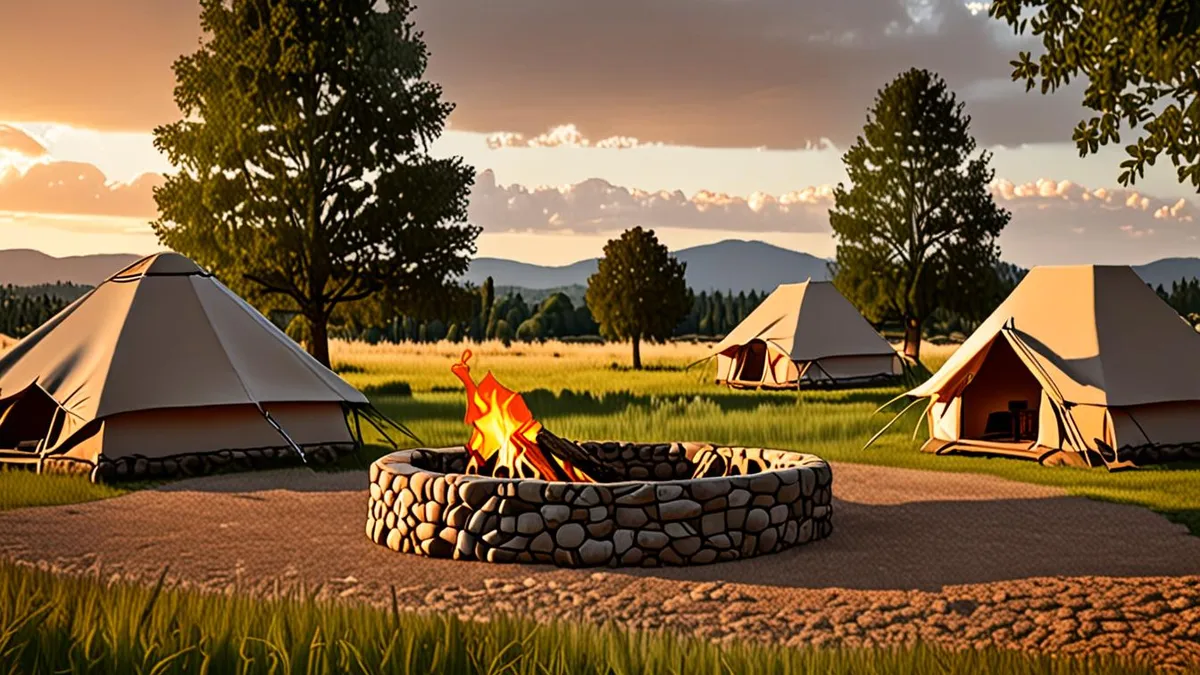
A fire pit can make or break a glamping evening, but the details vary more than listings suggest. Start with firewood: at some sites it’s included in your rate, while others charge per crate, typically around 5-10 GBP/EUR. Ask whether wood is delivered to your pitch or whether you carry it yourself, because hauling logs across a muddy field at dusk is nobody’s idea of a relaxing start to the evening. Also check whether kindling and lighters are provided or whether you need to bring your own.
Location matters too. A fire pit at your own unit lets you keep it burning while you chat, cook and toast marshmallows late into the night. A communal fire pit changes the dynamic entirely: you share the space, the conversation and the timing with other guests. Neither is better, but you should know which one you’re paying for.
Questions to ask about the fire pit
- Cooking rules: some sites allow grilling directly on the fire pit, while others require a separate grill or ban cooking on it altogether, which affects what you can plan for meals.
- Seasonal bans: fire pits are often banned or restricted during dry spells, commonly June to September in many regions, so ask what the site offers instead, such as a communal covered fire area or indoor lounge.
- Restocking policy: find out whether you can buy additional crates on site during your stay and whether there’s a limit on how much wood you can burn per night.
If cooking is a priority for your trip, it’s worth reading up on how glamping sites handle food and cooking facilities so you know whether the fire pit is your main option or just one of several.
When to Book: Season, Lead Times and Price Premiums
Hot tub glamping units are among the first to sell out at any site, so timing matters more than most travelers expect. For a summer weekend, aim to book 3-6 months ahead. If your dates fall in peak season, such as school holidays or bank holiday weekends, push that lead time out to 6-9 months. The best units, the ones with the tub truly private and the fire pit right outside, rarely make it to last-minute booking sites.
Budget for the premium too. A unit with a private hot tub typically costs 20-40% more than a standard glamping unit at the same site. That difference is easier to accept when you know exactly what you are paying for, which is why the privacy and tub-type questions from earlier sections are worth settling before you commit.
Shoulder season and winter stays
If your dates are flexible, shoulder season is the smart traveler’s trick. A stay in May or late September often comes with noticeably lower prices, quieter sites, and the tub still open, since most seasonal sites run from around April or May through September or October. It pays to understand how the glamping season changes from one month to the next before you lock in a date, because weather and site availability vary far more than most first-timers assume. For winter trips, be more selective: prioritize sites with electric tubs or an explicit year-round operation policy, since wood-fired tubs at seasonal sites are often closed by then.
Weather, Privacy and Comfort Around the Tub and Fire
A hot tub in the rain can be wonderful. A hot tub in driving wind and horizontal rain, reached along a muddy path in the dark, is a different story. Ask directly whether the tub and fire pit area is sheltered from wind and rain, and whether there is covered seating nearby so you can sit outside with a drink even when the weather turns. This is one of the most common gaps between listing photos and reality.
Privacy deserves the same scrutiny. Check the sightlines between units: a tub on your own private deck is a completely different experience from one visible to the neighboring tents. Ask the host to send wide shots showing the tub in its surroundings and how close the other units sit, not just flattering close-ups.
After dark, comfort comes down to the small things. Good sites light the paths to the tub and fire pit, or at minimum provide torches, so the walk back from your evening soak is safe and easy. When you message the site, it is also worth confirming what they supply for bathers. At well-run hot tub sites, the following should be standard:
- Fresh towels for the tub — enough for each guest to dry off after every soak, not just a single bathroom towel for the whole stay.
- Bathrobes or dressing gowns — essential for the walk between the tub and your accommodation on cool evenings, especially when the tub sits a short distance away.
- A changing area or private space — a screened spot or a covered corner near the tub so you are not changing inside a cramped tent or in full view of other guests.
One more practical point: ask how the ground around the tub and fire pit holds up in wet weather. Grass pitches can turn to mud quickly, and a gravel or decked area around the tub makes a big difference to how much you actually use it. If the site cannot answer these questions clearly, that tells you something too.
Hygiene, Safety and Questions to Ask Before You Pay
Before you pay a deposit, it pays to be systematic. A short, polite message covering hygiene, safety and practicalities will tell you more about a site than any photo gallery, and the quality of the reply is often as revealing as its content. Sites that take guest wellbeing seriously will have answers ready, while hesitant ones reveal themselves quickly. Work through these steps in order:
- Request the water-change or filtration schedule. Well-run sites either empty the tub and refill it with fresh water between guests or keep it on continuous filtration and chemical treatment. If the site cannot tell you which approach they use, treat that as a red flag.
- Ask about safety covers, steps and non-slip surfaces. A sturdy locking cover, secure steps and a non-slip deck matter enormously, especially if children are in your group or anyone has limited mobility. Wet timber decks around tubs can be slick in the morning, so it is fair to ask what surfacing they use.
- Confirm the rules for children. Ask whether children are allowed in the tub at all, and what minimum age or supervision requirements the site sets. Policies vary widely between sites, so never assume your family setup is fine.
- Send one short pre-booking message covering the essentials. Ask about tub type, heating arrangements, firewood supply and privacy in a single message, then judge the response. Keep it concise, since a wall of questions is easier for a busy owner to put off than four clear ones.
That final step is the real test. A good site will answer specific questions with specific answers, often within a day. Slow, vague or evasive replies before booking usually predict slow, vague service on site, so if the message goes unanswered twice, spend your money somewhere that wants your booking.
Wrapping Up Your Hot Tub and Fire Pit Glamping Check
Most glamping listings that show a steaming hot tub and a crackling fire pit are honest, but the details are where disappointments hide. A tub that turns out to be shared, cold for the first few hours or closed for the season is the most common complaint from guests who booked on photos alone. Confirming privacy, tub type and heating times before you pay prevents almost all of these surprises, and a quick check on seasonal operation dates saves you from arriving to a drained tub.
Timing and communication do the rest. Booking 3-6 months ahead secures the best private-tub units at fair prices, and checking whether fire bans or seasonal closures affect your dates protects your plans. Finally, send a short pre-booking message covering firewood, water hygiene and safety covers: fast, clear answers sort good sites from mediocre ones better than any photo gallery. If you have a question or a hot tub glamping story of your own, leave a comment or share this article.