Every parent knows the feeling: the lodge photos look perfect, the website promises family fun, and then you arrive to find a “family room” with one queen bed and a fold-out couch for four people. A family lodge that works on paper often falls apart in person, and by then you’ve paid a deposit and rearranged your whole trip. The good news is that most disappointments are avoidable with a few targeted questions before you book.
This checklist walks you through the eight things worth checking first, from room configurations and kids’ facilities to location, timing, the true total cost, and the safety and food details that matter most with children in tow. We’ll finish with a short bottom-line summary you can use as a quick pre-booking checklist. Bring it along the next time you compare lodges, and you’ll book with far more confidence.
Room Configurations That Actually Fit a Family
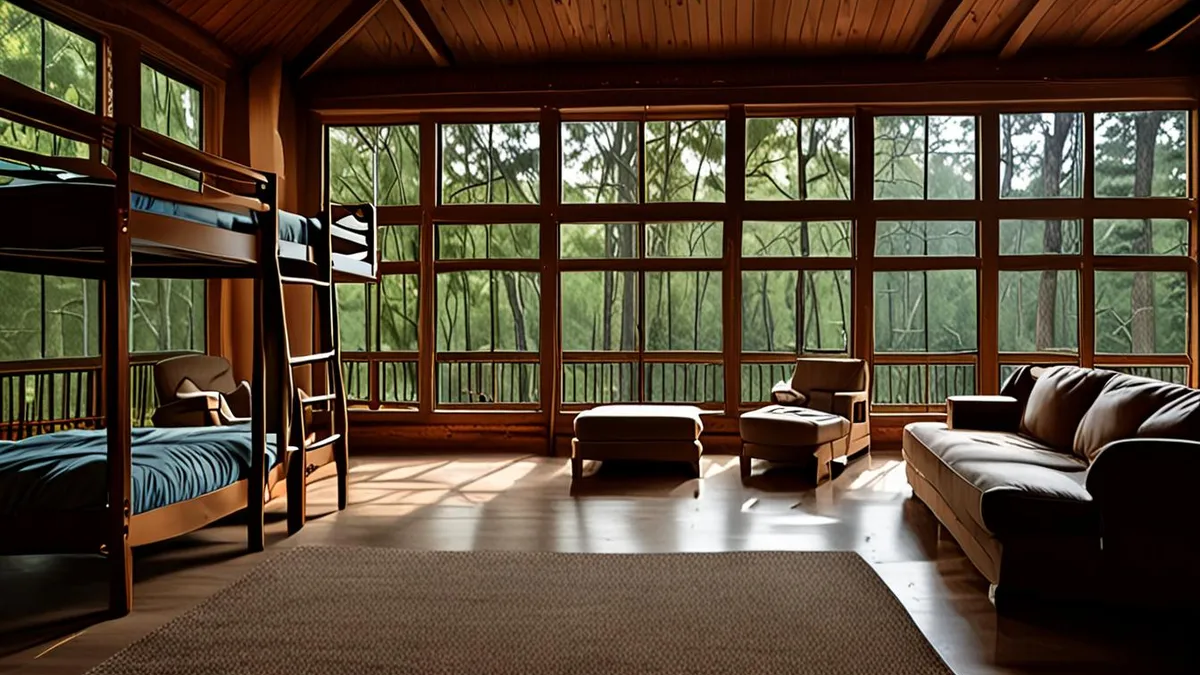
The single most common booking mistake is assuming you know what “family room” means. At some lodges it’s one large room with four or more beds; at others it’s a standard double with a sofa bed squeezed in; at many it actually means connecting rooms, which changes both the price and how you supervise young children at night. Ask exactly how many beds the room has, what size they are, and whether the configuration is one space or two. Then get the bed count confirmed in writing, ideally in the booking confirmation itself, so you have something to point to if the room doesn’t match.
Cots, extra beds and the details that matter with kids
If you’re traveling with a child under 4, ask specifically whether a cot or extra bed is available for your dates and whether it carries a nightly fee. Some lodges provide cots free of charge but have a limited number, so late bookers miss out even when the room itself is available.
Finally, look past the décor photos and check the practical stuff: real storage for suitcases and clothes, and a small fridge or kitchenette for milk, snacks and leftovers. With young children, a fridge and decent drawers matter far more than a stylish headboard, and they can save you a late-night trip to reception.
Kids’ Facilities and Supervised Activities
A kids’ club on the website is not the same as childcare you can rely on. Before you assume your mornings are covered, verify the age range the club accepts, the hours it actually opens, and whether it runs every day of your stay or only in high season. Most programs accept children roughly ages 4-12, which means toddlers usually need a babysitter arranged separately, often at extra cost. Ask how many staff supervise how many children, and whether you need to sign up in advance or can drop in.
Facilities matter just as much as programs. Look for a pool with a proper shallow area where little ones can stand, a playground within sight of the terrace, and covered outdoor space so a rainy afternoon doesn’t trap everyone in the room. When you ask about guided activities, get the pricing clear too: nature walks, animal feeding and craft sessions are sometimes included in the rate and sometimes charged per child, and that difference adds up over a week.
- Pool supervision: ask whether the pool is lifeguarded or whether parents are expected to supervise at all times, since this shapes how relaxing the stay actually is.
- Activity schedules: request a sample weekly program so you can see whether activities run at times that suit your children’s routine, not just at sunset when toddlers are melting down.
- Age flexibility: if you have a 3-year-old and a 6-year-old, ask whether younger siblings can join activities with a parent present, since policies vary widely between lodges.
Location and How Remote Is Too Remote
Remote looks romantic in the brochure and complicated in practice. If a lodge sits 30-60 minutes from the nearest town, every forgotten item, every pharmacy run and every “we need more sunscreen” trip costs you half a day. That’s tolerable for a two-night splurge, exhausting for a week with small children. Before booking, map the distance to the nearest town or clinic and ask yourself honestly how often you’d realistically make that drive.
Transfers and the activities you actually came for
Remote lodges often sit far from the nearest airport too, and transfers are frequently charged per vehicle rather than per person. Ask upfront whether airport transfers are included in your rate, how long the journey takes, and whether it’s a road transfer, a boat or a small plane. A transfer that sounds quick on a map can take twice as long with children and luggage.
Finally, judge location by what you came to do, not by how scenic the isolation looks. If you booked the lodge for a specific activity, check how far that activity is from the lodge itself. A beautifully isolated lodge that’s an hour from the trailhead or the water means more daily driving and less time doing the thing you paid for. Scenic remoteness is lovely; convenient remoteness is better.
When to Book and When to Go
Family rooms at popular lodges are the first thing to disappear. If you want to travel in June through August or December through February, aim to reserve 4-6 months ahead. Wait longer than that and you will often be left choosing between one cramped room or two rooms your children can’t share safely. Popular lodges with strong family reputations tend to fill their best rooms first, so the options left at short notice are rarely the ones you’d have picked.
Timing matters just as much as booking early. Shoulder months like May and September-October usually bring rates 20-40% below peak prices. You also share the pool, playground and dining room with far fewer families, which makes a real difference when you have a toddler who needs a nap by the window seat. Staff can also give you more personal attention when the lodge is quieter, and last-minute activity spots are easier to come by.
Before you lock in dates, read the fine print on minimum stays. Some lodges ask for a 2-3 night minimum on weekends and holidays, which can turn a quick getaway into a longer, pricier commitment. Ask when you book rather than at check-in, so you can compare lodges fairly.
- Check school holiday calendars in your home country. Peak family travel weeks often fill up even earlier than general high season, so a half-term trip may need booking closer to the 6-month mark.
- Ask about deposit and cancellation terms for each season. Some lodges require larger deposits or have stricter cancellation windows during peak dates, which affects how far ahead you can safely commit.
- Confirm which room category your booking actually covers. A lower rate in shoulder season may mean a different room type than the one shown in photos, so verify bed configuration in writing.
- Watch for rate differences between weekday and weekend nights. In some lodges, shifting your stay to arrive midweek can noticeably lower the nightly price without changing the total number of nights.
The Real Cost Beyond the Nightly Rate
That appealing nightly rate is rarely the whole story. Between meals, activities and airport transfers, many families find the final bill runs 15-25% above the advertised rate. Before you compare lodges on price alone, ask each one for a sample total for your family size and dates.
Meal plans deserve special attention. Per-child meal costs can add up surprisingly fast, so compare half-board against full-board pricing with your actual family in mind. A lodge that looks expensive on the room rate may work out cheaper overall once meals are included, especially with two or three kids eating three times a day.
Know What’s Included Before You Budget
Activity pricing varies wildly between lodges. Guided nature walks, canoe trips or cultural visits may be included in the rate at one lodge and priced per person at the next. Ask for a clear list of what is included and what carries a separate charge, then price out a realistic daily spend for your family.
Once you have those numbers, put them side by side. A lodge with a higher nightly rate but generous inclusions often beats a cheaper one that charges for every excursion, and your budget will thank you for doing this math before arrival rather than after.
Safety, Food and Practical Comforts
Photos can make any lodge look family-ready, but safety features rarely show up in a marketing gallery. Email the lodge directly and ask specific questions: are balconies childproofed, are stair gates available, and is the pool fenced or covered when unsupervised? A lodge that answers these confidently is usually one that genuinely welcomes children.
Food is the other make-or-break detail. Young children rarely eat happily at 7:30 pm, so ask whether the kitchen can prepare simple children’s meals and offer an early dinner sitting. A kitchen that will do plain pasta, grilled chicken or fruit at 5:30 pm can save your evenings.
Medical access matters more at remote lodges than anywhere else. If the lodge sits more than an hour from the nearest clinic, ask what first-aid provision exists on site and how emergencies are handled. Many lodges keep trained staff and communication systems on hand, but you should confirm this before booking, not after.
- Ask whether cots, high chairs and bed rails are provided free or charged. Availability can also be limited, so request them at booking rather than at check-in.
- Check how water safety is handled beyond the main pool. Natural swimming spots, dams or rivers on the property should be fenced, signed or clearly supervised.
- Ask about staff training for emergencies. Some lodges keep first-aid-certified staff on every shift and can arrange evacuations; that response plan is worth hearing in detail.
- Confirm in-room features like kettles, microwaves or bottle-warming facilities. With babies and toddlers, the ability to prepare milk and snacks in your room matters more than any spa.
The Bottom Line for Your Next Family Lodge Stay
A lodge that looks perfect in photos can fall apart the moment you arrive with two tired kids and no extra bed in sight. That is exactly why this checklist matters: it helps you vet the details before you pay, not after. The right family lodge comes down to five things working together: room setup, kids’ facilities, location, timing and the true total cost.
Booking 4-6 months ahead for peak season gives you the best shot at the family rooms that sell out first, and checking each point above turns a risky booking into a confident one. You will still get surprises on the road, but they will be the good kind. If this checklist helped you, share it with another traveling family or leave a comment about what you always ask before booking.