You’ve picked your destination, settled on glamping instead of a standard hotel, and then hit the same wall every traveler faces: safari tent vs yurt vs dome. They all look dreamy in the photos, but they’re built for very different trips. A safari tent with a private deck suits a couple or family of up to five, a round yurt handles snowy winters, and a dome with transparent ceiling panels is made for stargazing — pick wrong and your romantic escape might mean a chilly night or a cramped floor plan.
This guide breaks down the decision piece by piece. We’ll explain what each stay actually is, compare space and layout for your group size, look at how each one handles the seasons, and walk through the comfort and amenities you can typically expect inside. We’ll also cover what entry-level prices look like per night, share how far ahead to book for popular dates, and finish with a simple way to choose the right stay for your travel style and budget.
What Is a Safari Tent, Yurt and Dome? The Three Stays at a Glance
At first glance these three stays all belong to the same glamping family, but they come from completely different traditions and feel very different on the ground.
The safari tent
A safari tent is a large canvas structure stretched over a rigid frame, modeled on the classic tents used on African expeditions. It’s usually the biggest of the three, often sits on a raised wooden deck, and typically comes with real beds, solid furniture and, at many sites, its own private bathroom. Think of it as a canvas cottage: upright walls, a proper door, and room to walk around without bumping into anything.
The yurt and the dome
A yurt is a circular tent rooted in the nomadic traditions of Central Asia, where it has sheltered herders for centuries. Modern versions use a lattice wall frame covered in felt or canvas, with a central dome skylight at the top that lets in daylight. Inside, you get one open round room that feels cozy and compact.
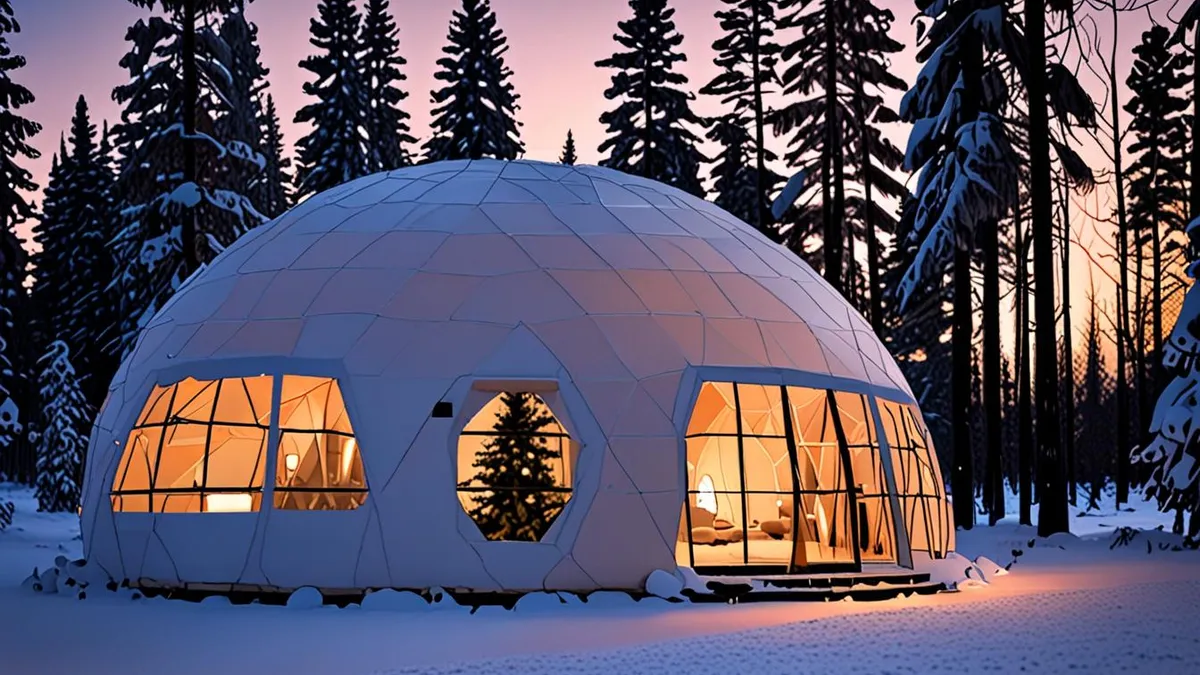
A dome, by contrast, is the modern newcomer: a geodesic half-sphere built from triangular panels. The geometric design is strong and wind-resistant, and many domes feature transparent sections in the ceiling or walls for stargazing. The look is futuristic, almost sci-fi, which is exactly why they dominate glamping Instagram feeds.
Space and Layout: Which Stay Fits Your Group?
Space is where these three stays differ most, and it’s often the deciding factor for families. A safari tent gives you genuine floor space, frequently split into separate sleeping and living areas, so you’re not all piled into one room. Yurts and domes are both single open spaces, which changes the dynamic of your stay considerably. That doesn’t make them worse, just better suited to different travelers, so it pays to think honestly about how your group actually behaves at the end of a long day outdoors.
Here’s a quick way to match the structure to your group:
- Safari tents for families: With separate sleeping and living zones, parents can read by lamplight after the kids are asleep in their own beds. Most safari tents sleep 2-5 guests, which covers most family configurations without squeezing anyone onto a floor mattress.
- Yurts for small groups on a budget: The circular layout typically sleeps 2-4, and because there are no interior walls, a yurt works well for friends traveling together who don’t mind shared space. Just know that “going to bed” happens in view of everyone else.
- Domes for couples: Most geodesic domes sleep 2-3 guests, and the single open space is designed around one centerpiece: the bed under the transparent ceiling. A third person is usually a child, not another adult, so plan accordingly if you’re a trio of friends.
Storage is another practical difference worth flagging. Safari tents generally offer closets or shelving, while domes in particular tend to have very little, so pack soft bags rather than hard suitcases. Yurts fall somewhere in between, with a bit of floor space along the lattice walls but no real closets to speak of. If this is your first glamping trip, it helps to read up on what to expect and how to prepare for your first glamping stay before you book, since packing light matters more in a yurt or dome than in a hotel room. A little planning here makes the whole trip smoother.
Season and Weather: Safari Tent vs Yurt vs Dome Through the Year
Season is the factor travelers most often overlook, and it’s the one that can make or break a glamping trip. The three structures handle cold very differently, because their walls are built for different purposes.
Warm-weather canvas
A classic canvas safari tent is largely a spring-to-autumn option. Thin canvas loses heat fast once temperatures drop, so even with a heater inside, a chilly night can feel drafty. In warm months, though, that same breathable canvas is a pleasure: air moves through it, and you fall asleep to sounds of the outdoors rather than the hum of air conditioning. If your trip falls between late spring and early autumn, a safari tent is a safe, comfortable choice.
Winter-ready structures
Yurts are the cold-weather workhorses of the glamping world. Their thick felt or insulated covers trap heat well, which is why the design originated in harsh Central Asian climates, and yurt sites are commonly operated year-round, including in snowy destinations. Domes perform well in winter too, especially when built with insulated panels; snow settling on a transparent roof or stars overhead at night becomes part of the experience rather than a problem to endure.
If you’re planning a cold-season trip, it’s worth reading our guide to staying warm and comfortable while glamping in winter, because packing layers and knowing what to ask the host makes a big difference. One practical tip: always confirm the heating setup with the site before booking a winter stay, whether it’s a wood stove, underfloor heating or a portable heater, so there are no surprises when temperatures drop after dark.
Comfort and Amenities: What You Get Inside Each Stay
Comfort is where these three stay types really part ways. A safari tent is the closest you get to a hotel room under canvas: most sites furnish them with real beds, a dining table, storage furniture and lighting, and the majority include a private bathroom attached to the tent or just steps away on the deck. That deck is a genuine living space, usually with outdoor seating where you can have breakfast or a glass of wine at sunset.
Yurts keep things simpler. You typically get proper beds, a wood stove or heater for chilly evenings, and a cozy circular room, but bathrooms are usually in a shared block a short walk away. Power can also be limited, so bring a power bank if you plan to charge phones and cameras.
Domes cover the widest range. Basic domes offer little more than a bed and a heater, while luxury versions add kitchenettes, spa-style bathrooms and sometimes a private hot tub on the platform. Before booking, it helps to compare the three side by side:
- Safari tent: private bathroom is standard at most established sites, plus a deck with lounge chairs or a dining set for outdoor living
- Yurt: a wood stove is common, so ask whether firewood is included or costs extra during your stay
- Yurt: shared bathroom blocks mean packing a headlamp or lantern for nighttime trips across the site
- Dome: transparent ceiling panels mean morning light arrives early, so light sleepers should check whether eye masks or blackout covers are provided
- Dome: high-end models may include a private hot tub or sauna, which is worth confirming if that is the reason you booked
Price: What Each Stay Type Costs per Night
Glamping prices vary more by stay type than many travelers expect, and knowing the typical ranges helps you spot a fair deal. Safari tents typically run $120-250 per night at the entry level, with family-size layouts that sleep four or five sitting at the top of that range. You are paying for floor space and, in many cases, that private bathroom.
Yurts are usually the budget-friendliest of the three, at roughly $100-200 per night. Because they share bathroom blocks and offer simpler interiors, sites can keep rates lower, which makes them a smart pick for longer stays or travelers watching their spending.
Why domes cost more
Domes sit in the premium tier at about $150-350 per night. The price reflects their engineering: insulated triangular panels, heating systems that keep the space comfortable in cold weather, and transparent roof sections that turn stargazing into part of the experience. Add-ons like private hot tubs push rates toward the top of the range.
Keep in mind these are entry-level figures for standard setups. Location, season and amenities can push any of the three well above these numbers, so treat them as a starting point for your budget. For a fuller breakdown of what drives prices up or down, this guide to glamping costs by stay type is a useful next read.
How to Choose and When to Book Your Glamping Stay
Once you know how each stay performs on space, season, comfort and price, choosing becomes much easier. The trick is to match the stay to your group and your travel dates first, then handle the practical checks before you pay. A dome that looks dreamy in photos loses its charm if you booked it for a family of five, and a canvas safari tent is a poor match for a January getaway. Working through a short list of questions in a set order keeps the decision practical rather than impulsive, and it takes only a few minutes.
- Start with your group size and travel style. Couples chasing a view and some romance should pick a dome, families needing room to spread out should pick a safari tent, and travelers planning a cold-season trip or watching their budget should pick a yurt.
- Check the site’s operating season. Classic canvas safari tents mostly run spring to autumn, while domes and yurts are the best picks for winter stays, so confirm your dates fall within the site’s open period.
- Verify heating and bathroom setup. Ask whether the unit has a stove or heater, whether the bathroom is private or shared, and whether power outlets are limited, since these details vary widely even within the same stay type.
- Work through a short pre-booking checklist covering season, heating, bathrooms, bedding and what is included in the rate, so there are no surprises on arrival.
- Book early for busy periods. Reserve 2-3 months ahead for summer weekends, and 4-6 months ahead if you are traveling to a popular region in peak season, when the best units go first.
Following these steps in order also saves money and stress. Sites often list several unit types, and the cheaper option is sometimes the better fit once you factor in your dates and how much privacy your group needs. Reading recent guest reviews helps here too, because they reveal how a stay actually performs in the season you plan to visit, not just in the glossy peak-summer photos. By the time you click “book,” you will already know the stay fits your group, your dates and your comfort expectations, which is exactly what turns a single glamping night into a trip worth repeating.
The Bottom Line: Picking Between a Safari Tent, Yurt and Dome
So, which one is yours? If you are traveling with kids or a group and want real beds, room to spread out and a private bathroom, the safari tent is hard to beat. If your trip runs into the colder months or you simply want the most stay for your money, a yurt makes the most sense. And if you are a couple chasing a night under the stars, a dome with its transparent panels delivers the romance.
Notice that your season and group size narrow the choice faster than price alone. A $150-350 dome is worth every dollar on a winter anniversary trip, while a $100-200 yurt can feel cramped for a family of five. Match the stay to the traveler, and the budget usually falls into place. Which one would you pick? Tell us in the comments or share this article with a friend planning their first glamping trip.