Booking a lodge in the shoulder or off-season sounds wonderfully cozy: quiet trails, lower rates and long evenings by the fire. But many travelers hesitate, worrying that once the crowds are gone, the heating will be weak and the building drafty. That’s where understanding lodge heating and insulation makes a real difference. Some lodges stay toasty year-round, while others let indoor temperatures drop noticeably when heating is on a timer, especially on cold October nights.
The good news is that a little knowledge goes a long way. In this article, we’ll look at why lodge heating and insulation matter off-season, the common heating systems you’ll encounter, and how to judge insulation before you book. We’ll also share the questions worth asking the lodge, which lodge types tend to stay warmest, and simple packing and habits that keep you comfortable. With the right checks, an off-season stay can be every bit as warm as a peak-season one.
Why Lodge Heating and Insulation Matter Off-Season
Off-season lodge stays, which typically run from October to mid-December and again from April to May in most mountain regions, come with one trade-off travelers often overlook: heating. To cut costs during quieter weeks, many lodges run reduced heating schedules, which can mean a warm lounge downstairs and noticeably cooler corridors and bedrooms.
Why the building itself matters
Construction age plays a bigger role than most people expect. Older timber and stone lodges lose heat faster than modern builds, so two lodges on the same valley road can feel completely different on a cold October night. A modern, well-sealed lodge may hold warmth comfortably between scheduled heating cycles, while a century-old stone building can cool down within hours of the boiler switching off.
The good news is that off-season prices reward the traveler who pays attention. Shoulder-season lodge rates are often 20-40% lower than peak winter prices, so a warm, well-insulated lodge booked in late April can be genuinely great value. The difference between a memorable stay and a miserable one usually comes down to asking the right questions before you pay, which is exactly what the rest of this guide helps you do.
Common Heating Systems in Lodges
Remote lodges rely on a surprisingly small range of heating systems, and knowing which one a property uses tells you a lot about how your stay will feel. Wood-burning stoves and open fireplaces are the primary heat source in roughly half of remote lodges, which means warmth is concentrated where the fire is. That creates a cozy core around the stove but can leave bedrooms at the far end of a corridor noticeably cooler, especially in older buildings with long hallways. Underfloor heating, by contrast, is most common in newer or renovated lodges built after 2000, and it delivers the most even comfort of any system. Floors stay warm underfoot, heat rises gently through the room, and there are no cold corners near a single heat source.
Larger, staffed lodges typically run electric panel heaters or timed central heating, often managed from a central boiler room. The upside is consistency; the downside is that timers, not you, decide when the heat comes on. A few practical details worth knowing:
- Firewood supply: When a wood stove is the primary heat source, firewood is usually included in the room rate, but confirm whether it’s delivered to your room or stacked in a shared woodshed you’ll carry from yourself. A cold, damp walk to the woodshed at night is nobody’s idea of fun.
- Stove operation: Some lodges light the communal fire for you each evening, while others hand you matches and expect self-service, so ask if you’re not confident lighting a stove. A quick demonstration on arrival saves a frustrating evening later.
- Timer schedules: In lodges with central heating, ask when the system runs, because a timer that switches off at 10 pm can leave you reaching for extra blankets by 3 am.
Whichever system a lodge uses, the key is knowing how it behaves overnight, not just during the afternoon when you checked in. Ask specific questions before booking and you’ll avoid shivering surprises once the sun goes down.
How to Judge Insulation Before You Book
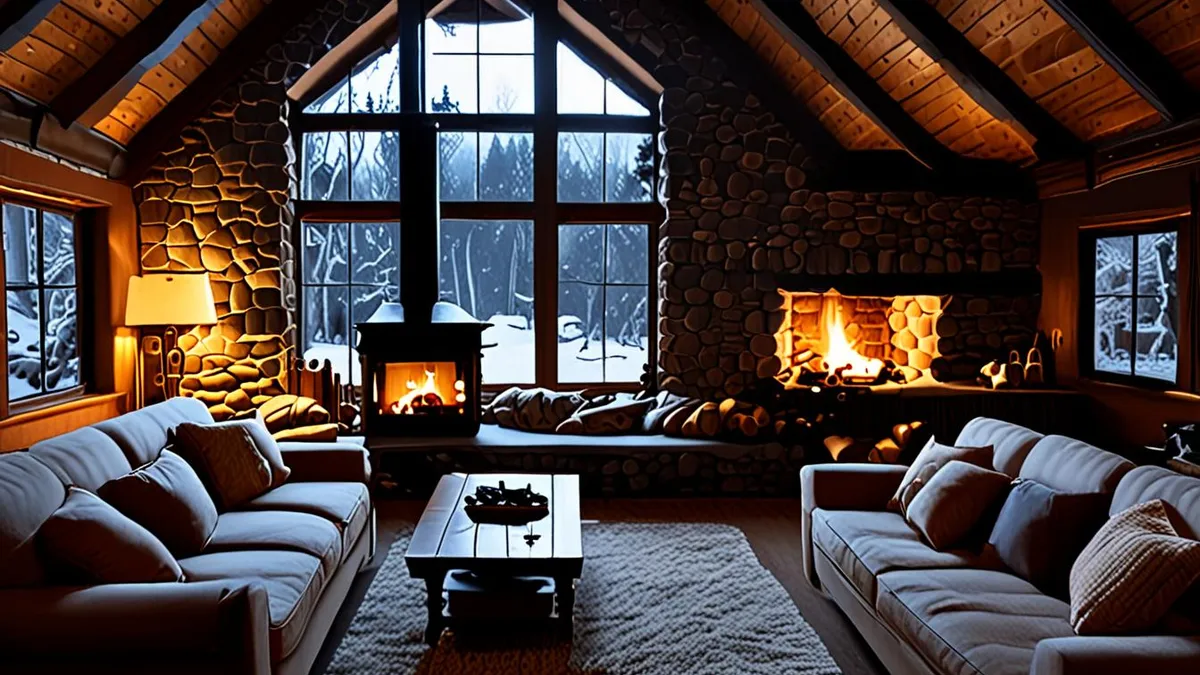
You can judge a lodge’s insulation surprisingly well before you book, using nothing more than the listing and a couple of emails. Start with the basics: well-insulated log walls are typically 20-30 cm thick, so look for listings that mention wall construction or log thickness. Older buildings with thin walls cool down quickly once the fire dies, while lodges that have been rebuilt or upgraded tend to hold warmth far better. Double-glazed windows are another strong sign, and any mention of a recent renovation usually means new seals, better glazing and modern heating controls. If a listing stays vague about construction, treat that as information in itself.
Then ask the one question that matters most: is heating available 24 hours a day, or does it run on a timer? Timed systems can let rooms drop to 15-17°C overnight, which some travelers find fine and others find genuinely cold, especially when getting up in the small hours. Photos are your friend here too. Beyond the wide-angle shots of the view, zoom in on the details:
- Window dressings: Thick, floor-length curtains suggest the owners take heat retention seriously, while bare windows or thin blinds hint the opposite.
- Floor coverings: Carpeted floors or rugs in bedrooms are a good clue, since bare stone or tile floors feel cold underfoot in rooms with weak underfloor warmth.
- Draught protection: Draught excluders along door bottoms in the photos show the lodge has been checked for cold spots, a habit of owners who care about winter comfort.
Combine these visual clues with a direct question about night-time temperatures, and you’ll have a solid picture before you commit. A short email exchange costs nothing and can be the difference between a snug shoulder-season stay and a shivery one.
Questions to Ask the Lodge About Warmth
A handful of pointed questions before you book can be the difference between a cozy shoulder-season stay and three nights of sleeping in your jacket. Lodges are usually happy to answer, and how they respond tells you a lot about how the place is run in the quieter months.
Start with the night-time question, because that is when timed heating systems tend to let things slip. In lodges running schedules rather than round-the-clock heating, indoor temperatures can fall to 15-17°C once the system cuts out, which suits some travelers and leaves others shivering. Ask what is actually maintained after midnight, and whether staff can adjust the schedule for your dates — some lodges will extend heating hours in the off-season if they know guests want it.
Then get specific about where the heat lives. A fireplace photo in a listing might show a gorgeous shared lounge, while your actual room has no heat source at all. If you are booking as a couple or a family, confirm whether the stove is in your room, in the corridor, or only downstairs by the bar.
Finally, sort out the money side so there are no surprises on checkout day. Many lodges with wood stoves include firewood in the room rate, but electric heaters and metered central heating are sometimes billed by usage. A short email now saves an awkward conversation later, and the same habit of asking precise questions before booking applies to other practical concerns too — our guide to what to ask a lodge before booking covers that in more depth.
- Extra warmth on request: confirm whether portable electric heaters are physically available in limited numbers, because in a small lodge two families requesting them may mean one goes without.
- Wood supply logistics: ask how firewood is delivered — whether it is stacked by your door, kept in a shared store, or self-service from an outdoor pile you carry in yourself.
- Usage billing method: if heating is billed separately, ask whether it is metered per room or split evenly, and whether you can see the meter reading at check-in.
Choosing a Lodge Type That Stays Warm
Not all lodges handle the shoulder season the same way, and the type you choose matters as much as the individual property. The off-season does work in your favor on price, which means a lodge that heats properly can turn into a genuine bargain — you just need to pick the right building for the conditions.
Ski lodges are the safest bet for warmth during the core winter months, because their guests expect full heating and the infrastructure is built for it. The exception is the April shoulder period, when the ski season winds down and some properties scale back heating schedules or close parts of the building. If you are traveling in April, ask directly whether the lodge is still running its normal winter setup.
Size and heating style
Smaller cabin-style lodges typically rely on wood stoves as the main heat source, which gives a wonderful atmosphere but means warmth depends on someone feeding the fire. Larger lodges more often run central heating, sometimes on timers, which is steadier but can feel institutional if the system switches off overnight. Neither is better — just match the style to how you like to sleep.
Elevation makes a real difference
A mountain lodge at higher elevation will stay colder longer than a valley lodge in the same season, sometimes by weeks. The same October dates can mean frost at one and mild autumn weather at the other. If you are weighing the trade-offs, our guide to choosing between a mountain lodge and a valley lodge walks through the differences in more detail.
Packing and Habits That Keep You Comfortable
Even a well-insulated lodge behaves differently off-season, when heating may run on reduced schedules and staff numbers are thinner. A bit of preparation in your suitcase and a few simple habits once you arrive will keep you comfortable regardless of what the thermostat is doing.
Packing comes first. In lodges with timed heating, bedrooms can feel noticeably colder by morning, so bring thermal base layers and proper warm sleepwear. Dressed right, a cool room at night is a non-issue rather than a misery. For a fuller rundown of what belongs in your bag, see our winter lodge packing list.
Once inside, small habits do real work. Close the curtains at dusk to add an insulating layer at the windows, and keep interior doors shut so heat stays concentrated in the rooms you are actually using. Warming one closed bedroom is far easier than warming an entire open floor plan.
Finally, learn the wood stove on arrival day, while it is still light and mild outside. Ask staff for a quick demonstration, find where the firewood is stored, and light an early fire to warm the walls before nightfall. Struggling with a cold stove in the dark at ten in the evening is a much less pleasant education.
- Footwear for cold floors: pack wool socks and slippers, since timber and stone floors stay cold even in heated rooms, especially with underfloor systems switched to night mode.
- Hot water bottle trick: a small hot water bottle pre-warms the bed before you get in, which matters most in lodges where heating cuts out at bedtime.
- Stove safety basics: check where the fire extinguisher and ash bucket are kept, and never leave a stove door open or burn treated wood or trash.
- Airflow awareness: crack a window briefly rather than leaving it ajar all day, since constant draughts undo hours of stored heat in timber walls.
Wrapping Up: A Warm Lodge Off-Season
Booking a lodge in the shoulder season does not have to mean shivering through a drafty night. The worry is understandable, since reduced heating schedules are common from October to mid-December and April to May, but the fix is simple: pay closer attention to heating and insulation before you book. Because shoulder-season stays come with noticeably lower rates than the height of winter, a lodge that holds its warmth well turns into a genuine bargain rather than a compromise.
Check the heating system, ask what temperature is maintained at night, and pick a lodge type suited to the season. Add a few sensible packing choices and stove habits, and a shoulder-season stay can feel just as cozy as a peak-winter one. If you have stayed in a lodge off-season, share your experience in the comments below.