You’ve found two lodges you love, but one sits high on the slopes and one in the valley below — and the wrong choice can shape your whole trip. The mountain lodge vs valley lodge question isn’t just about views versus convenience. It affects how you spend every morning, how much you pay per night, and even how well you sleep on your first night at altitude.
This guide breaks the decision into the parts that actually matter. We’ll look at what each lodge type genuinely offers, how season and weather can make the choice for you, and the daily logistics of getting to lifts and trails. Then we’ll compare where your budget stretches further, help you match the lodge to your trip and group, and finish with a clear bottom line. By the end, you’ll know which of your two lodges deserves the booking — and why.
What a Mountain Lodge Actually Offers
A mountain lodge’s biggest selling point is simple: location. If it’s ski-in/ski-out, you clip into your boots at the door and you’re on the slopes within minutes. In summer, trailhead access works the same way — step outside and you’re on the hiking paths before most people have finished breakfast. There’s no daily shuttle to catch, no parking hunt at the lift, and no reason to drive at all once you’ve arrived.
The views are the other half of the deal. High lodges look down over the valley rather than up at the peaks, and you get that sunrise light hitting the summits while valley properties are still in shadow. If you’ve ever watched alpenglow from a terrace at 2,000 meters, you know it’s hard to go back.
The trade-offs worth knowing
Altitude is the first one. Above roughly 1,800 m, some guests notice mild effects on the first night or two — a headache or restless sleep that usually passes quickly. Weather exposure is also greater: high lodges face the full force of storms, and access roads can be affected. Many also close or run reduced service in the shoulder months between seasons.
Rooms can be smaller too, since space is at a premium in high locations. A mountain lodge fits ski trips, summit-focused hiking weeks, and travelers who value location over space.
What a Valley Lodge Actually Offers
Valley lodges put you in the middle of things. Walk out the door and you have restaurants, shops, bakeries and après options within a few minutes on foot. After a day on the mountain, you don’t need to plan dinner around a drive back up — you simply wander out and choose.
More space for your money
The financial case is strong. Valley lodge rooms commonly cost 20–40% less than equivalent slope-side rooms in peak ski season, which means a bigger room, a longer stay, or a few extra dinners out for the same budget. Families often find the extra space matters as much as the savings.
Comfort is another quiet advantage. Valley locations sit lower, so nights are milder and most guests sleep better. Driving conditions are easier too — less snow and ice on the roads around your base — and valley lodges typically operate reliably year-round, without the seasonal shutdowns that affect high-altitude properties.
This makes a valley lodge the natural fit for mixed groups where some people ski and others don’t, for non-skiers who want village life, for food-focused trips, and for longer stays on a budget. If half your group plans to spend mornings at the market rather than the lift, the valley wins.
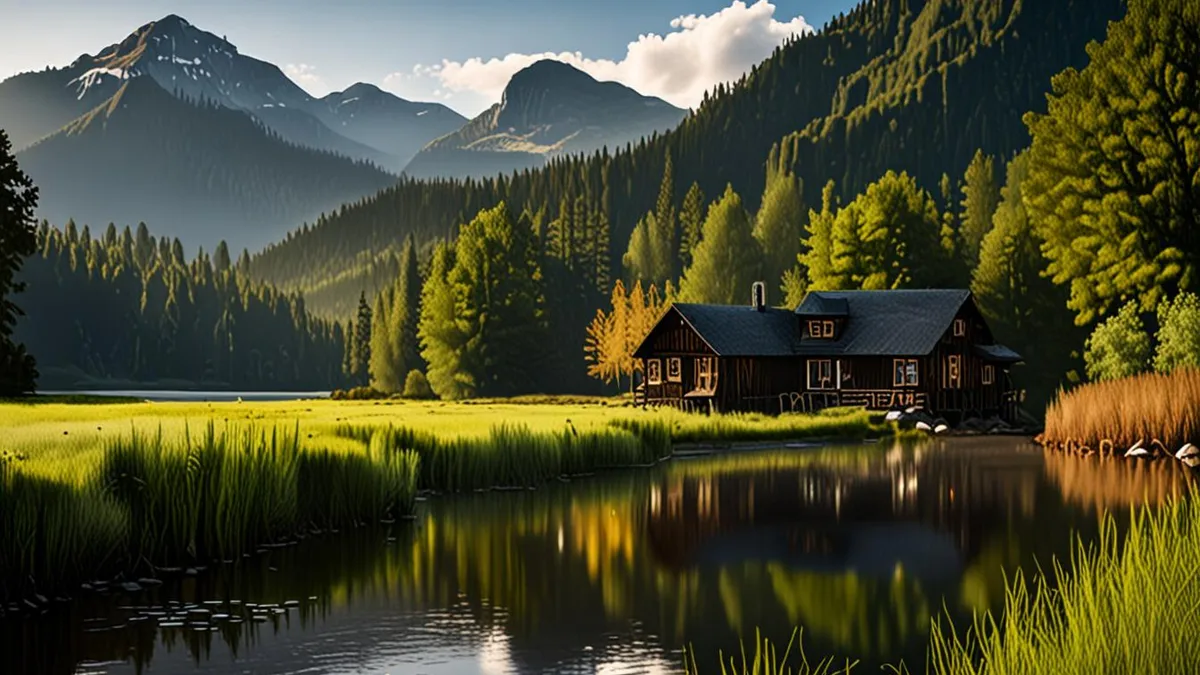
Season and Weather: When the Choice Decides Itself
Season often settles the mountain lodge vs valley lodge debate before you compare a single room. In winter, a lodge at the top of the lifts changes the whole rhythm of a ski week — first tracks become routine rather than a race against the cable car queue. But timing matters here: many high-altitude properties close or run reduced service from November to mid-December and again from April to May, when snow cover and demand are simply unreliable.
In summer, high-altitude hiking bases shine from roughly June to September, when the high trails are clear and the air stays pleasantly cool even on climbs. Valley lodges work across a wider window, from April to October, which makes them far easier to book around school holidays or a quieter shoulder-season escape.
Shoulder seasons and the snow line
In those shoulder months, valley lodges stay open and keep you connected to lower trails, villages and towns even when the lifts are shut. That flexibility is exactly why they suit travelers whose dates don’t line up neatly with peak season. If you’re weighing regions against the calendar, it helps to see how alpine lodges in Switzerland match to each season before you commit to dates.
There’s also the snow-line reality to consider. In early and late season, a mountain lodge can sit above the snow line — great for skiing, frustrating for everything else — or above the mud line, where trails are sloppy below and dusty above. Check snow and trail conditions for your specific dates rather than assuming the season matches the calendar.
Access and Daily Logistics
The biggest logistical difference between the two comes down to one question: how much time do you want to spend getting to the mountain each day? At a mountain lodge, the answer is usually almost none. You step outside, click into your skis or lace up your boots, and you’re on your way. That convenience is hard to beat once you’ve experienced it.
The trade-off arrives before you even check in. Reaching a high lodge often means driving up steep, winding roads that can be snow-covered or icy, especially after a storm. Some resorts require winter tires or chains on mountain access roads, so check your rental car and local requirements before you book. If a storm rolls in on departure day, you may also face a slower, more careful drive down.
Valley lodges flip the equation. Arriving is typically much easier — train stations and airports tend to sit in the valleys, so you can often get close to your lodge without driving at all. But once you’re there, the daily routine involves getting to the lifts, which typically takes 10–30 minutes each way by car or shuttle to major ski areas.
- Shuttle timetables matter: some valley lodges run a fixed shuttle schedule rather than on-demand pickups, so a missed connection can cost you a morning on the slopes.
- Parking at lift bases fills early in peak season in many popular resorts, so factor in the time to arrive at lots before mid-morning.
- Groceries and supplies: high lodges may have limited or no shops nearby, so stock up in the valley on your way up rather than planning a second trip.
- Luggage logistics: long, steep transfers can be slow with ski bags and family luggage, so plan your arrival for daylight hours when road conditions are easier to judge.
Cost: Where Your Budget Stretches Further
Price is where the valley usually wins. In peak ski season, valley lodge rooms commonly cost noticeably less than comparable slope-side rooms, and that gap can add up to hundreds over a week-long stay, especially for a family booking two rooms or a suite.
Mountain lodges charge a location premium, and it helps to understand what you’re actually paying for. The bed itself isn’t better — you’re paying for the doorstep access to lifts and trails, the views, and the rarity of true ski-in/ski-out positions. Those properties are limited by geography, which is exactly why they command higher rates and sell out early.
The hidden costs of a valley base
The valley’s price advantage shrinks a little once you add up the extras. Daily transfers to the lifts, parking fees at lift bases, and shuttle fares can all chip away at your savings over a week. They rarely erase the gap entirely, but budget for them honestly rather than comparing room rates alone. If you’re driving every day, also factor in fuel and the time spent on the road each morning and afternoon.
Timing affects price too. Ski-in/ski-out mountain lodges in Europe and North America often need 6–12 months’ notice for winter dates, while valley lodges generally hold availability closer to the season — sometimes at a discount for late bookers. If you’re comparing options, a fuller cost picture helps; this lodge budget breakdown covers where the money typically goes.
Matching the Lodge to Your Trip and Group
There’s no universal winner here — the right lodge depends on who’s traveling, what the trip is for, and when. A group of committed skiers with a healthy budget will rave about a mountain lodge; a family with toddlers and a grandparent who doesn’t ski will probably regret one by day three.
Start with your group’s priorities. If skiing or summit hiking is the entire point of the trip and everyone in the party can handle the altitude and the access road, the mountain lodge delivers the best version of that trip. If your group has mixed energy levels, different skill levels, or non-skiers who want cafés and shops within walking distance, a valley base keeps the whole group content.
Altitude deserves special attention. Sleeping high can bring headaches, restless sleep and general fatigue for a night or two until your body adjusts. That’s usually manageable for healthy adults, but worth taking seriously with infants or anyone sensitive to thin air.
Timing matters too. True ski-in/ski-out lodges in Europe and North America release winter inventory early, and the best positions go first — so if a slope-side room is the goal, book as far ahead as you realistically can. For shoulder-season trips, confirm opening dates directly with the property before committing, since high-altitude lodges often scale back service in the quieter months.
One last check for mixed-ability groups: find out whether a valley lodge’s shuttle stops at multiple lift bases. One transfer point serving several areas keeps beginner and expert skiers equally happy, and saves you from playing chauffeur all week.
The Bottom Line: Mountain Lodge vs Valley Lodge
So you’ve found two lodges you love — one perched high on the slopes, the other down among the village rooftops — and the choice feels impossible. Here’s the honest answer: neither type is objectively better. A mountain lodge trades town convenience for doorstep slopes, sweeping views and a location premium you’ll feel in the price. A valley lodge trades daily transfers for lower rates, village life right outside the door and far more flexible availability across the year.
The right pick comes down to three things: the season you’re traveling, the mix of people in your group and how far your budget needs to stretch. Skiers chasing first tracks in peak winter will lean one way; families, food lovers and shoulder-season travelers will lean the other. Match the lodge to the trip, not to a ranking. If this helped you decide, leave a comment or share the article with someone planning the same choice.