Planning a stay in one of the many Scottish Highland lodges is harder than it looks. The same region can feel like a completely different destination in June, October or January, and the lodge that suits a summer family trip may be the wrong pick for a cozy winter break. Add in midges, short winter days and wildly different booking windows, and it is easy to feel stuck before you have even picked a date.
This guide breaks the decision down by season and region. We look at how daylight, crowds and prices shift through the year, then match spring and summer trips to the Cairngorms and the Great Glen, autumn stays to Skye and the west coast, and winter escapes to snow-friendly areas. You will also find realistic nightly rate ranges, advice on choosing between self-catering and full-service lodges, and clear guidance on how far ahead to book so you are not left scrambling for festive dates.
How the Seasons Change a Highland Lodge Trip
The Highlands are not one destination with one best time to visit. They are four or five different trips depending on when you go, and the season you choose should shape both your region and your lodge type before anything else.
Summer: long days, big crowds
June to August is peak season, and for good reason. Daylight stretches to around 18 hours in June, so you can walk, sightsee and eat dinner in daylight on the same day. The trade-off is the biggest crowds of the year and the midge season, which peaks from July to early August. If you are sensitive to biting insects, this window needs careful lodge selection.
Autumn: color without the queues
Late September to mid-October is the sweet spot many returning visitors aim for. The glens turn gold and russet, visitor numbers drop noticeably, and rates often sit below summer peaks. You lose some daylight compared to June, but you gain quieter roads and a much easier time photographing popular spots.
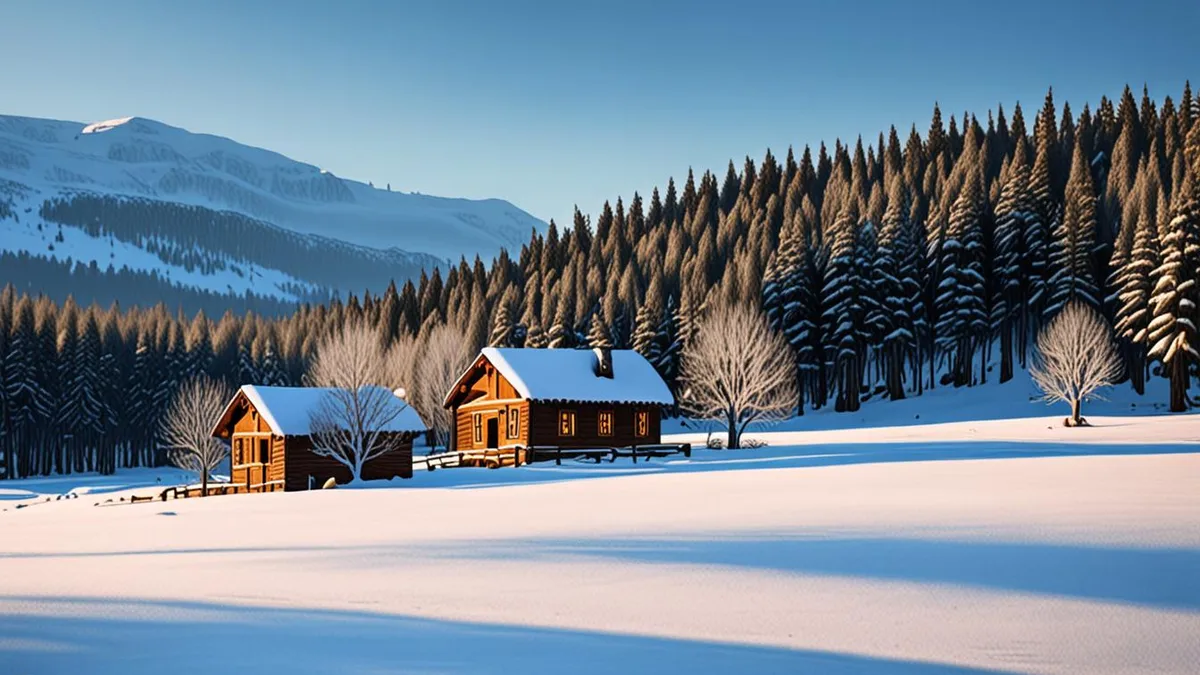
December to March is winter’s turn. This is the season for snow activities and proper fireside evenings, with lodges earning their keep through log burners and saunas. The main adjustment is daylight: expect only about 6 hours in December, so plan your days around short, bright outings and long, cozy evenings indoors.
Spring and Summer: Lochs, Glens and the Cairngorms
From May to August, the Cairngorms National Park is the strongest all-round base for a lodge trip. The park combines a huge network of walking trails with genuine wildlife-watching opportunities, from red deer to ospreys, and the lodge stock here tends to be the most family-friendly in the Highlands. You get space, activities for children and villages with shops and cafes within a short drive, which matters when you are staying self-catering.
If you have never visited the Highlands before, lodges around Loch Ness and the Great Glen are an easier starting point. The Great Glen runs diagonally across the region, so you are centrally placed for day trips in almost any direction, and the road links via Inverness make arrival simple whether you are flying in or driving up from the south. First-timers also appreciate that the main sights, boat trips and castle ruins sit along one straightforward corridor rather than requiring long detours.
Dealing with midges in July and early August
Midges peak in July and early August, and they can genuinely affect how much you enjoy an evening on the terrace. Two lodge features make a real difference: proper midge screens on windows and doors, and an elevated or breezy position, since the insects struggle in wind. A lodge on a hillside or loch shore with open exposure will beat a sheltered woodland cabin at this time of year. Check the lodge description for both details before booking, and ask the owner directly if it is not clear.
If you enjoy this style of trip, the same base-camp logic applies elsewhere. For a comparison of how to position yourself for walking-focused lodge stays in another country, see this guide to New Zealand lodges for hiking season, which covers similar decisions about trail access and regional bases.
Autumn on Skye and the West Coast
Autumn is when the west of the Highlands shines. From late September to mid-October, the bracken and birch turn copper and gold, the summer crowds thin out, and the drama of the landscape actually increases as weather systems roll in. For photographers, this is the window worth planning around.
The Isle of Skye sits about 2.5-3 hours by car from Inverness, and in September and October it pairs its famous dramatic scenery with a noticeably quieter atmosphere. Popular viewpoints that require patience in August become far more manageable, and lodge owners have more time to share local tips. Just remember that Skye weather in autumn can be wet and changeable, so build flexibility into your plans.
On the mainland, lodges around Fort William and Glen Coe are the natural choice for photographers chasing autumn color. Glen Coe’s steep-sided glen catches the low autumn light beautifully, and Fort William gives you a practical base with shops, fuel and food while keeping you minutes from the best shooting locations at dawn and dusk.
Shoulder-season rates typically undercut summer prices, and 2-4 months of booking lead time is usually enough to secure a good lodge. A few things to weigh up before you commit:
- Daylight for photography: sunrise and sunset come closer together in October, so you can often catch golden hour twice in one day without an overnight wait.
- Road access to Skye: the drive from Inverness takes around 2.5-3 hours, so many travelers split the journey with an overnight stop rather than doing it in one push.
- Weather flexibility: autumn weather on the west coast shifts quickly, so lodges with drying rooms or covered outdoor space earn their keep on wet afternoons.
- Local events: some west coast villages host autumn food and music events in the shoulder season, which can add a memorable evening to a scenery-focused trip.
Winter Lodges for Snow and Cozy Retreats
When snow settles on the hills between December and March, the Cairngorms become the obvious base for a winter lodge trip. Lodges in this national park put you closest to Scotland’s main snow-sports areas, so you can spend the morning on the slopes and still be back at your own fireplace by late afternoon. Aviemore and the surrounding glens have the widest choice, from small timber cabins to larger lodges with shared facilities.
Plan Around Short Days
Daylight is the biggest adjustment for winter visitors. In December you get roughly 6 hours of light, which means outdoor time needs to be planned carefully and mornings matter. Choose a lodge that works well after dark: a real fire, a sauna or a hot tub, a well-equipped kitchen and comfortable lounge space turn those long evenings into part of the experience rather than dead time. If you are traveling with children, look for lodges with games rooms or indoor spaces they can use before bed.
It is also worth thinking about road conditions. Winter weather in the Highlands can change quickly, so pick a lodge with straightforward access from a main road and check whether your rental car needs winter tires or chains for the conditions at the time of your trip.
Booking Festive Dates
Winter weekends fill fast, and none faster than the stretch around Christmas and New Year. Festive lodge breaks are popular with families and groups who want a cozy base for several nights, so the best properties are often fully booked well before autumn arrives. For Christmas or New Year dates, reserve 6-12 months ahead to get your pick of lodges and layouts. For a regular January or February weekend, a few months of lead time is usually enough, but midweek stays remain the easiest to find and often the easiest on the wallet.
What Highland Lodge Stays Cost
Highland lodge pricing varies more by season and setup than most travelers expect. Typical nightly rates run from £150 to £600 depending on the time of year, the size of the lodge and whether you are booking the whole property or just a room within it. Knowing where your trip falls on that range makes budgeting far easier.
When Prices Peak and When They Dip
Summer dates and the festive period sit at the top of the range. Demand is highest then, and larger lodges that sleep eight or more can command the upper end of the scale, especially for whole-property bookings. Autumn and spring weekdays sit at the bottom, which is exactly why shoulder-season trips feel like such good value: similar scenery, quieter roads and noticeably lower rates. If your dates are flexible, shifting a trip from a summer Saturday to a May or October weekday can save a meaningful amount per night.
It also pays to understand what is included in the rate. Some lodges quote a base price and add cleaning fees, linen charges or minimum-stay requirements on top, so read the breakdown before comparing. For a fuller walkthrough of how these costs stack up, see this lodge stay budget breakdown.
How Self-Catering Cuts Your Total Spend
Food is where lodge trips quietly get expensive. Full-service lodge dining is convenient, but eating every meal in-house adds up over a week. A self-catering lodge with a good kitchen lets you cook breakfast and most dinners, then eat out once or twice as a treat. Stocking up at a supermarket on the way in, usually in Inverness or another larger town, keeps costs down further. For longer stays, the savings from self-catering often outweigh the extra effort of cooking, and many travelers find the relaxed evenings at home are the highlight of the trip anyway.
Choosing Between Lodge Types and Booking Smart
Once you know your season, the next decision is what kind of lodge actually suits your trip. The three main options differ mainly in how much service you want, and getting this right shapes both your budget and your daily routine. A self-catering lodge means shopping, cooking and cleaning up after yourself, but it also gives you space to spread out and eat dinner at whatever time suits the kids. A boutique lodge room works more like a hotel stay, with breakfast handled for you and staff on hand, while estate-style properties add dining rooms, grounds and often activities on-site. If you are still weighing lodges against other accommodation types, this comparison of lodge, cabin and resort stays breaks down the differences.
- Decide how much service you want. Self-catering lodges give you full independence and the lowest ongoing costs, boutique lodge rooms give you hotel-style service with more character, and estate-style lodges sit at the top with staff, dining and extensive grounds. Pick based on whether you want to cook, be looked after, or somewhere in between.
- Book according to your season. Peak summer and festive dates need a much longer lead time than shoulder-season trips in spring and autumn, so work backwards from your travel dates and reserve early for the popular windows. Shoulder-season trips leave you more flexibility to chase good weather and adjust plans at short notice.
- Check your drive times before committing. Inverness sits roughly 3 hours by car from Edinburgh, and many Highland lodges add another stretch of single-track or winding road on top of that. A lodge that looks central on a map can still mean a long transfer day, so match the location to how much driving you are willing to do.
Work through these three decisions in order and the right lodge usually picks itself. A family wanting freedom and space leans self-catering in the Cairngorms; a couple after atmosphere and easy logistics might choose a boutique room closer to Inverness. Set your booking window early, keep the drive times realistic, and the rest of the trip tends to fall into place.
Wrapping Up Your Highland Lodge Plan
Picking the right Highland lodge comes down to one simple match: region to season. The Cairngorms work for both summer walking trips and winter snow breaks, while Skye and the west coast shine in autumn when the color peaks and crowds thin out. Get that pairing right and the rest of your planning falls into place.
Budget £150-£600 per night depending on season and lodge size, and remember that peak dates from June to August need 6-12 months of booking lead time. Before locking anything in, weigh the practical stuff: midges in July and early August, short winter daylight, and realistic drive times from Edinburgh or Inverness. If this helped you plan your trip, leave a comment or share the article with a fellow traveler.