Figuring out where to stay in Tokyo is harder than it looks. The city has dozens of distinct neighborhoods, each with its own character, price range and rail connections, and first-time visitors often book in the wrong one. The result is a trip spent losing an hour or more every day to commutes instead of sightseeing.
This guide compares the areas that matter most for a first visit: Shinjuku and Shibuya for convenience, Ginza and Tokyo Station for polish, and Asakusa and Ueno for tradition on a budget. You’ll also learn how Tokyo’s rail map should shape your choice, what rooms actually cost, when to book, and which area fits your travel style, whether you’re traveling with family, chasing nightlife or building a culture-first itinerary.
How Tokyo’s Rail Map Should Decide Where You Stay
Tokyo is enormous, but its rail network makes it surprisingly manageable if you base yourself in the right spot. The single most useful line for first-time visitors is the Yamanote loop, which circles central Tokyo and connects major hubs like Shinjuku, Shibuya, Ikebukuro and Tokyo Station. Pick a hotel on or near this loop and most of the sights on your list will be one transfer away or less.
Distance to the station matters more than most travelers expect. Aim for a hotel within a 5-10 minute walk of a major station. A fifteen-minute walk doesn’t sound bad on a booking page, but you’ll make that trip twice a day, usually with tired feet and shopping bags, and it adds up fast over a week.
Test your base before you book
Before committing, check the route from your hotel to both Asakusa in the east and Shibuya in the west. These two neighborhoods sit at opposite ends of the classic first-timer itinerary, so they make a good stress test. If reaching either one requires three or more transfers, keep looking. Every extra transfer means stairs, crowds and another chance to board the wrong train during rush hour.
A base on the Yamanote loop won’t put you in the middle of every neighborhood, but it keeps your daily travel simple and predictable, which is exactly what you want on a first visit.
Shinjuku vs Shibuya: The Convenience Picks
Shinjuku and Shibuya are the two most popular bases for first-time visitors, and for good reason. Both sit on the Yamanote loop, both are packed with dining and entertainment, and both give you fast access to the rest of the city. The right pick depends on what you want out of your evenings.
Why Shinjuku works for first-timers
Shinjuku suits travelers who want the widest possible rail connections. It’s one of the busiest transport hubs in the world, with direct access to the Chuo line heading west and the Odakyu line toward Hakone and the southwest, alongside the Yamanote and a long list of subway lines. If your itinerary includes day trips or neighborhoods scattered across the city, Shinjuku minimizes the number of times you need to change trains.
Shibuya, by contrast, fits travelers prioritizing nightlife, shopping and a youthful atmosphere. The streets around the famous crossing are dense with bars, music venues and fashion stores, and the energy runs late into the night.
Price-wise, the two areas are comparable. Both have plenty of mid-range business hotels around 12,000-20,000 yen per night for a double. The trade-off is space: rooms near the stations tend to run small, so check the listed room size before booking if you’re traveling with luggage or a partner who values elbow room.
Ginza and Tokyo Station: The Polished, Central Choice
If Shinjuku and Shibuya feel too frenetic, Ginza and the Tokyo Station area offer a calmer, more polished version of central Tokyo. Ginza is known for its upscale hotels, wide sidewalks and refined shopping streets, and it’s one of the few districts where an evening stroll feels genuinely relaxed rather than crowded.
The big practical advantage is Shinkansen access. Staying near Tokyo Station puts you steps from the bullet train platforms, which is a real benefit if your trip includes a side journey to Kyoto or Osaka. You can roll out of bed, walk to the platform and be on your way without navigating a second transfer.
What the comfort costs
The trade-off is price. Rates here tend to sit above the typical mid-range band for comparable rooms, and the priciest properties climb well past that. You’re paying for location, quiet and service rather than sheer transport connections, since Ginza has fewer direct rail options than the big western hubs.
This area is best for travelers who value quiet evenings and department-store dining over nightlife. Ginza’s basement food halls are a destination in themselves, offering some of the best ready-made meals in the city. If your travel style leans toward refined, smaller-scale experiences, the appeal is similar to what to expect from a Turkish boutique hotel stay: fewer rooms, more personal attention, and a calmer base after a full day of sightseeing.
Asakusa and Ueno: Tradition on a Budget
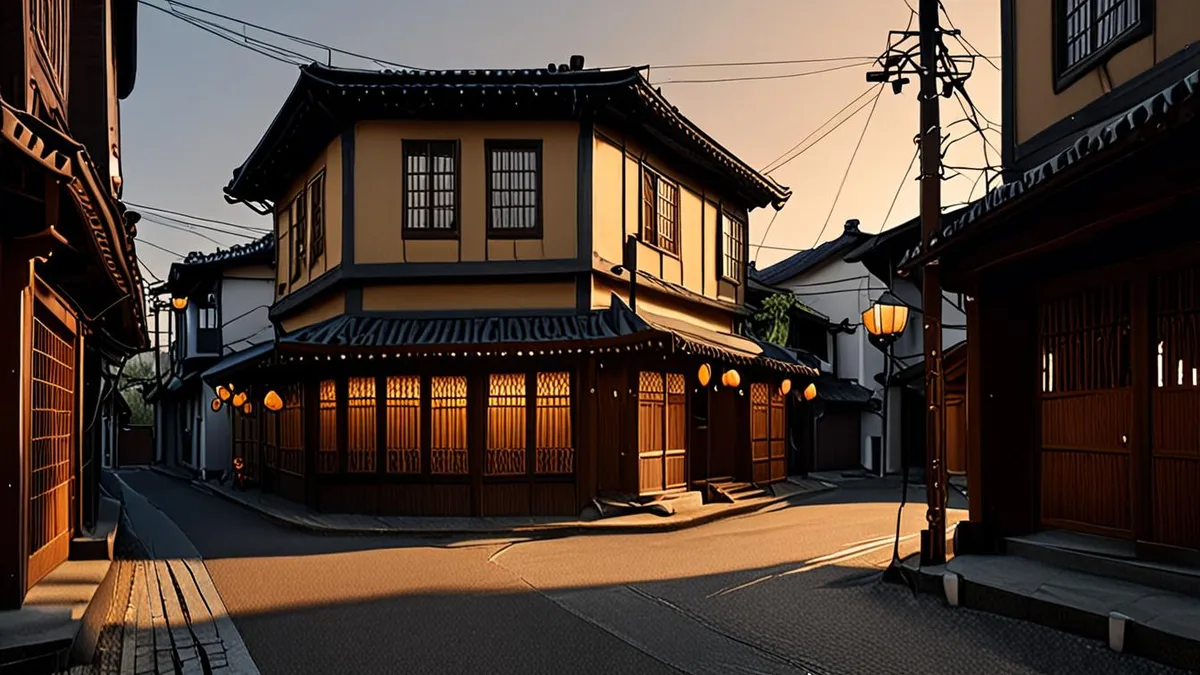
If your first image of Tokyo is lanterns, old wooden gates and temple streets, Asakusa is where that picture lives. The area sits right by Senso-ji, the city’s oldest and most visited temple, so you can walk through the grounds before the tour groups arrive in the morning. Accommodation leans traditional and affordable: simple guesthouses and capsule options can fall in the budget range of 3,500-7,000 yen per night, while ryokan-style stays with meals usually start around 25,000 yen per person — a splurge, but a memorable one.
One neighborhood south, Ueno adds a different kind of value. It has the big national museum, a zoo and a large park on your doorstep, plus plenty of straightforward business hotels that tend to cost less than their Shinjuku equivalents. A practical bonus for arrivals and departures: Ueno has direct train services to both Haneda and Narita airports, so you can skip the luggage-shuffle of extra transfers.
The trade-off is location. Asakusa and Ueno sit east of the city center and outside the Yamanote loop line, so reaching the west side — Shibuya, Harajuku, Shinjuku — typically takes 30-40 minutes by train. That is fine if you plan full days in one area, but tiring if you hop back and forth.
- Asakusa’s evening atmosphere is a real draw: after the shops around the temple close, the streets quiet down and you get a calmer, more residential feel than the nightlife districts.
- Ueno’s park hosts seasonal events and street performers on weekends, so families get free entertainment without buying a single ticket.
- If traditional lodging appeals to you but Tokyo prices feel steep, consider spending part of your trip in Kyoto, where ryokan culture runs deeper — our guide to choosing a calm, cultural neighborhood in Kyoto can help you plan that side trip.
- Because these areas sit outside the loop line, check whether your hotel is near the Ginza Line or JR lines that connect you quickly to the rest of the city before you book.
When to Book and What Tokyo Rooms Cost
Tokyo hotel prices swing more than most travelers expect, and the calendar is the main reason. Cherry blossom season, which runs from late March to early April, is the city’s peak: rates climb sharply and good rooms sell out early. Autumn foliage in November behaves the same way. For both windows, book 3-6 months ahead if you want real choice at a reasonable price.
The easiest time to visit is winter. January and February are the cheapest months, and you can usually book 1-2 months out without losing much — often gaining money. Weather is cold but usually dry and sunny, and the crowds at popular sights thin out noticeably.
As for what rooms actually cost, Tokyo spans a huge range. Capsule hotels and simple guesthouses run roughly 3,500-7,000 yen per night, which works well for solo travelers. For a double room at a mid-range business hotel, plan on a nightly rate in the twelve-to-twenty-thousand-yen band — the sweet spot for most first-time visitors.
- If you want a traditional ryokan experience with meals included, expect those stays to usually start around 25,000 yen per person per night — a splurge better saved for a night or two rather than your whole trip.
- Business hotel rooms are compact by Western standards, so if you travel with large suitcases, ask about luggage storage at the front desk before you book rather than after you arrive.
- Prices in the shoulder months of late May-June and October-November tend to offer the best balance between cost and comfortable weather, making them a smart compromise if you can’t travel in peak season.
- Weekends in Tokyo can be cheaper than weekdays in some business districts, since hotels there serve corporate guests Monday through Friday — worth comparing both before you commit.
Matching the Area to Your Travel Style
There is no single “best” area in Tokyo — the right base depends on what your days actually look like. A family with a stroller and museum passes needs different things than two friends chasing izakayas until midnight. Here is how the main areas map to common travel styles.
Families usually do best around Ueno or the Tokyo Station area. Ueno gives you the park, the zoo and the museums within easy walking distance, and Tokyo Station offers straightforward Shinkansen connections if day trips are on your list. Both areas also tend to have slightly larger rooms than the nightlife districts, which matters when you are sharing with kids and luggage.
If your trip is built around nightlife, shopping and late dinners, Shibuya or Shinjuku are the obvious picks. The trade-off is honest: rooms run smaller near the stations, and the areas stay lively (and noisy) late into the night. Ask for a room on a higher floor facing away from the main streets if light sleep is a concern.
For culture-first itineraries, Asakusa puts you steps from the temple district and traditional streets. If you want both tradition and convenience, splitting your stay — a few nights east in Asakusa, a few nights west near Shinjuku or Shibuya — often works better than committing to one base.
- Before locking in a room, think about whether a hotel or a homestay fits your travel style — the service and consistency of the former suits some trips, while the local flavor of the latter suits others.
- Families should check whether a hotel offers connecting or family rooms, since standard Tokyo doubles often fit only two people comfortably.
- Nightlife-focused travelers should confirm last train times for their own itinerary, because Tokyo’s rail network winds down around midnight and taxis get expensive quickly.
- Culture-first travelers staying in Asakusa should plan their west-side sightseeing days carefully, since those cross-town trips can eat up a good chunk of the morning.
Picking Your Tokyo Base with Confidence
Tokyo has dozens of distinct neighborhoods, and picking the wrong one can cost you an hour or more of commuting every day. This guide compared Shinjuku, Shibuya, Ginza, Asakusa and Ueno on transit access, price and atmosphere so you can match the area to your itinerary instead of guessing.
A few key figures are worth keeping in mind: a base close to a Yamanote Line station saves the most time, mid-range business hotels typically run 12,000-20,000 yen per night, and spring trips should be booked 3-6 months ahead. Whether convenience, tradition or nightlife leads your plans should decide your base. If this helped you choose, leave a comment or share the article with a fellow traveler.