Glamping promises the best of both worlds: fresh air and starry skies with a real bed waiting at the end of the trail. Yet first-time guests often arrive with a trunk full of camping gear they’ll never touch, while forgetting the small comforts that actually make a difference — warm socks for a chilly morning, a flashlight for the walk to the bathroom, a charger for a site with limited power.
This glamping packing list fixes that. It covers why glamping is different from traditional camping, how to pack clothing in layers, which toiletries and comfort items earn their space, what changes by season, and what you should confidently leave at home. We’ll also show you how to match your list to your specific site before you pack, so a duffel bag — not a gear hauler — is all you need for your next trip.
Why a Glamping Packing List Is Different From Camping
The biggest packing mistake glamping guests make is treating their trip like a backcountry camping expedition. Quality glamping sites supply the big items: real beds with proper mattresses, linens and blankets, lighting, and often cooking gear. Your tent, sleeping bag, camp pillow and air mattress all stay home, because they’re already waiting for you at the site.
That changes the entire goal of packing. Instead of hauling survival gear, you’re packing for comfort and personal needs — the clothes you’ll actually wear, the toiletries you’d use at home, and a few small items that make outdoor living easier. Think of it closer to packing for a stay at a rustic bed and breakfast than a wilderness trek.
Know your site type before you pack
How much you need to bring depends heavily on what you’re sleeping in. A safari tent, a yurt, a solid-wall cabin and an Airstream trailer all offer different levels of insulation, space and built-in equipment. A cabin might include a full kitchen, while a canvas tent may only have a shared grill outside. Safari tents and yurts in particular differ in kitchen and bathroom provisions, so a packing list that works for one site can be wrong for another.
The practical move is simple: check your site’s amenities list before you start packing, then build your list around what’s missing. Most glamping sites provide bedding, towels and basic lighting, so sleeping bags are rarely needed — but everything beyond those basics is worth confirming in advance.
Clothing and Footwear: Pack in Layers
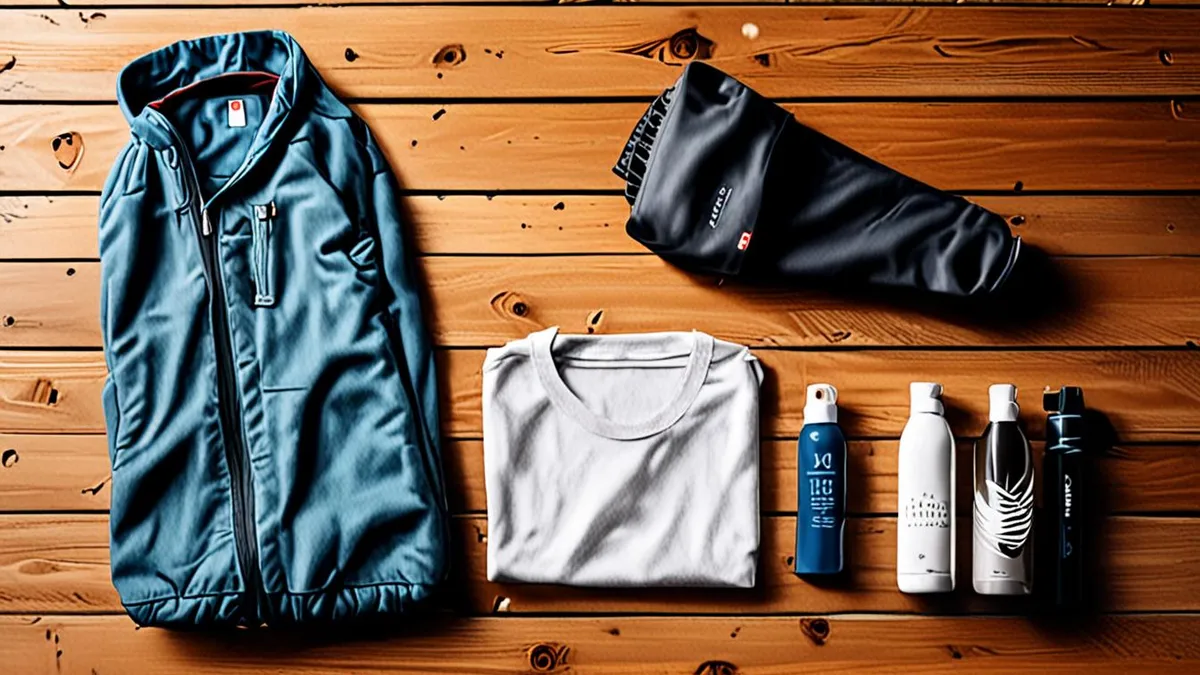
Glamping clothing is all about layers, not volume. Bring two or three versatile outfits you can mix and match, plus one warm layer, because temperatures often drop 10-15°F (5-8°C) after sunset even in summer. A day that starts warm and sunny can end with you zipping up a fleece on the deck, so plan for both ends of that swing. Think in thin layers you can add or shed rather than one heavy coat, and favor dark colors that hide campfire smoke and trail dust over several days of wear.
If this is your first glamping trip, it helps to know how sites actually operate day to day — you can read more in what to expect on your first glamping trip — but the clothing basics come down to a few reliable pieces:
- Waterproof jacket: even a light shell earns its spot, since canvas tents and outdoor walkways mean you’re exposed to weather every time you step outside, and drying wet clothes on site can be slow.
- Sturdy closed-toe shoes: paths at glamping sites are often gravel or grass, sometimes muddy after rain, so leave delicate footwear for town days and bring something with real grip.
- Flip-flops or slides: essential at sites without private bathrooms, where you’ll be walking to a shared shower house across gravel, damp grass or a wet floor.
- A beanie and warm socks: yes, even in summer months — early mornings before the sun rises are consistently the coldest hours, and a warm head makes that first coffee outside far more pleasant.
One practical tip: choose fabrics that dry quickly and don’t wrinkle badly. You’ll have limited hanging space and no iron, and a duffel packed with quick-drying clothes handles outdoor life far better than a suitcase full of cotton. Merino and synthetic blends resist odor too, which means you can re-wear pieces and keep your bag lighter overall.
Toiletries and Personal Comfort Items
Toiletries are where glamping packing gets specific. Many eco-focused sites ban harsh chemicals in shared facilities, so solid or travel-size toiletries are the smart default — a bar of soap, solid shampoo and a small deodorant take up almost no space and are far more likely to be site-friendly than full-size bottles. If you use anything strongly scented or chemical-heavy, check the site’s policy before packing it.
Lighting is the other thing travelers underestimate. Solar-powered sites often dim lights after 10pm, which is lovely for stargazing and less lovely for finding your toothbrush. A headlamp or small flashlight is non-negotiable, and a few other small items quietly earn their place:
- Reusable water bottle: many sites rely on well water or a single refill station, so a bottle you can top up and keep by your bed saves repeated trips, especially at night.
- Portable phone charger: outlets in tents and yurts are often limited to one or two, shared with lamps or the site’s own equipment, so a charged power bank means you never have to choose between your phone and the fan.
- Earplugs: nature sounds are the point of the trip, but owls, wind in the canvas and distant roosters at dawn are louder than you’d expect — soft foam earplugs are the smallest comfort item with the biggest payoff.
On the flip side, skip hair dryers and other full-size appliances. Many tents run on limited power, and a hair dryer can trip a breaker or simply refuse to work. If your hair routine truly needs one, email the host in advance to confirm what the outlets can handle — most will give you a straight answer.
Seasonal Extras: What Changes by Time of Year
The time of year you travel changes your glamping packing list more than almost anything else. A safari tent that feels perfect on a dry June afternoon can turn chilly and damp by October, so it pays to adjust your bag for the season rather than packing the same way every time.
Summer trips from June through August are the easiest to pack for, but they come with their own demands. Long days outside mean sun protection matters just as much as evening warmth, and insects can be relentless near water or woodland sites. Bring sunscreen, insect repellent and a wide-brim hat, and reapply sunscreen through the day rather than relying on one morning application.
Winter glamping is a different animal entirely. Even with a proper stove or heating inside your tent or cabin, the walk to the bathroom and mornings in the cold require serious gear. If you’re new to cold-season trips, this guide on glamping in winter and how to stay warm and comfortable covers the details in depth. The core rule: thermal base layers rated for temperatures below 40°F (4°C), insulated boots and hand warmers.
Shoulder season trips in April-May and September-October are the trickiest to pack for because weather swings wildly. A warm afternoon can be followed by a cold, wet evening, so flexibility beats volume.
- Sunscreen: choose a broad-spectrum SPF 30 or higher and pack a stick or small tube for easy reapplication on hikes or by the water.
- Insect repellent: a DEET or picaridin spray works well, but add anti-itch wipes or a bite-relief pen for evenings when the mosquitoes win anyway.
- Thermal base layers: merino wool tops and bottoms wick moisture and stay warm even if you sweat on a winter hike, unlike cotton.
- Insulated boots: waterproof versions with decent tread handle icy paths and muddy ground between your accommodation and the main facilities.
- Hand warmers: disposable air-activated pairs are cheap, weigh almost nothing and make cold mornings on the porch genuinely enjoyable.
- Mid-weight fleece: a zip-up style layers over a base layer and under a jacket, covering you across a wide temperature range.
- Rain shell: a lightweight waterproof jacket with a hood doubles as wind protection, which matters more than you’d expect in open fields.
What to Leave at Home
One of the biggest mindset shifts when moving from camping to glamping is realizing how much gear you can simply leave behind. Quality glamping sites provide the big items: real beds with linens, towels, lighting and often cooking equipment. Some sites also ban open flames entirely, which rules out camp stoves before you even start packing.
Luggage choice matters more than most first-timers expect. Safari tents, yurts and Airstreams often have narrow entrances, zip-up door flaps and limited floor space, so a bulky hard-shell suitcase becomes an obstacle the moment you arrive. A soft duffel bag under 40L is usually enough for a 2-3 night glamping trip and can be squished through tight openings and tucked into a corner.
It’s also worth being honest with yourself about valuables and electronics. Canvas walls have zippers, not deadbolts, so anything irreplaceable is safer at home. And while many sites offer Wi-Fi, it’s often slow by design, part of the appeal of switching off for a few days.
Food is the final trap. Most glamping sites sit near towns or offer meal options on site, so there’s rarely a need to shop like you’re heading into the backcountry. Buy only what you’ll realistically eat in 2-3 days.
- Tents and sleeping bags: bringing them wastes car space, and most hosts can’t store them securely if you arrive with them anyway.
- Camp stoves and fuel: besides fire bans, fuel canisters are often prohibited on site, so check before loading the car.
- Coolers: if your unit has a fridge or the site offers communal refrigeration, a cooler just takes up floor space and drips.
- Hard-shell suitcases: rigid corners catch on tent door frames and canvas walls; a duffel with backpack straps also frees up your hands on gravel paths.
- Jewelry, laptops and work documents: canvas walls offer limited security, and a slow Wi-Fi connection makes a laptop pointless anyway.
- Multiple gadgets and chargers: one phone, one charger and a small power bank cover most trips without fighting over limited outlets.
- Perishable groceries: eggs, milk and meat spoil fast in a tent, so buy them locally once you’ve confirmed what kitchen access you actually have.
Check Before You Pack: Match Your List to Your Site
The single best packing tip for glamping has nothing to do with what goes in the bag. It’s confirming what your site actually provides before you pack a single item. Two sites that both call themselves “glamping” can offer completely different setups: one might have a full kitchen with an oven, while another hands you a single shared grill and a cooler. If you’ve never compared options before, this guide on how to choose a glamping site and what to check before booking walks through the key questions.
Read the amenities list carefully
Start with the site’s amenities list when booking. Kitchen setups range from full kitchens to a single shared grill, and that difference determines whether you bring spices and a skillet or just marshmallows. Bathroom arrangements matter just as much: a private en-suite means you can pack fewer toiletries, while a shared bathhouse means adding a shower caddy and flip-flops to your list.
Book early, then confirm the details
For peak season stays between June and August, book 2-3 months ahead. That buffer gives you time to plan your packing around confirmed amenities instead of guessing. Peak rates typically run $150-$400 per night, which is another reason to get your list right the first time rather than paying for forgotten essentials at the nearest town store.
If the listing leaves anything unclear, email the host directly. Ask specifically about power, heating and cooking provisions. A two-minute reply from a host can save you from packing a hair dryer for a tent with no outlets, or arriving without a warm layer for a yurt that only heats with a small stove. Hosts answer these questions constantly and would rather clarify upfront than deal with a surprised guest at check-in.
The Bottom Line: Pack Light, Pack Smart
Glamping promises the outdoors with real beds and hot showers, yet first-time guests often haul along camping gear they end up not using, while leaving behind the small comforts that actually make the trip pleasant. The fix is simple: a glamping packing list is short. Layered clothing, personal toiletries and a few comfort items cover nearly everything you will want on site.
Leave the camping gear behind, check the amenities list before you book, and verify power, heating and cooking arrangements with your host if anything is unclear. For most trips, a soft duffel under 40L is enough for a 2-3 night stay in any season. If this helped you pack lighter, share it with a fellow traveler or drop a comment below.