Glamping with a baby or toddler looks effortless in photos: a cozy canvas tent, fairy lights, a fire crackling outside. But what the pictures don’t show is whether that tent has heating that lasts the night, a cot your child can actually sleep in, or a bathroom you can reach before a meltdown starts. One missed detail can turn a dreamy family trip into a long weekend of coping.
The good news is that most problems are avoidable with a few targeted questions before you book. This guide walks through the checks that matter most when traveling with a child under 2 or a wobbly toddler: why standard glamping units need extra scrutiny, how to verify heating and insulation, what to confirm about cots and nap space, how layout and distances affect your days, what makes a site genuinely safe for little ones, and how to plan your booking, timing and budget. Finish with the quick pre-booking checklist and you’ll be ready to reserve with confidence.
Why Glamping With a Baby or Toddler Needs Extra Checks
Most glamping units are built with couples in mind. A safari tent or dome that sleeps two adults comfortably often has no space for a travel cot, no outlet for a bottle warmer and a layout that assumes nobody needs a nap at 1 p.m. When you arrive with a stroller, a diaper bag and a baby who sleeps badly in bright rooms, those assumptions become your problem.
The stakes are also higher than on an adult trip. A wood stove that burns out by midnight is a minor inconvenience for two adults under thick duvets; for a baby under 2, a cold tent is a genuine safety issue. A path that’s a charming 5-minute stroll for adults can feel endless when you’re carrying a toddler and a potty at the same time. Small gaps in heating, power or layout matter far more when a little one is along.
Why a few questions save the whole trip
The encouraging part is that you don’t need to interrogate the site owner for an hour. Checking five or six specific details before booking prevents most problems families run into: whether the heating runs overnight, whether a cot is actually reserved, how far the bathroom is, whether paths work with a stroller, and whether the deck is safe for a newly walking child. The sections below take each of these checks in turn, with the exact questions to ask and the answers to look for.
Heating, Cooling and Insulation: The First Thing to Verify
Start with heat, because it’s the detail most likely to ruin a family glamping trip. Many canvas tents and cabins rely on a wood-burning stove or fire pit for warmth, and those need feeding every hour or two. Ask directly whether the unit has heating that runs overnight, such as an electric or gas heater with a thermostat, not just a fire that dies by midnight. If the honest answer is “you can stoke the stove before bed,” that’s a warning sign with a baby in the room.
Timing matters here too. Nights in May, June and September can drop below 10°C (50°F), which is too cold for a baby in an uninsulated tent. A unit that feels delightful on a July afternoon can be genuinely uncomfortable on a September evening. If you’re considering the colder edges of the season, it helps to read up on how to stay warm while glamping in winter, because the same principles of layered bedding and insulated floors apply.
Summer is its own question
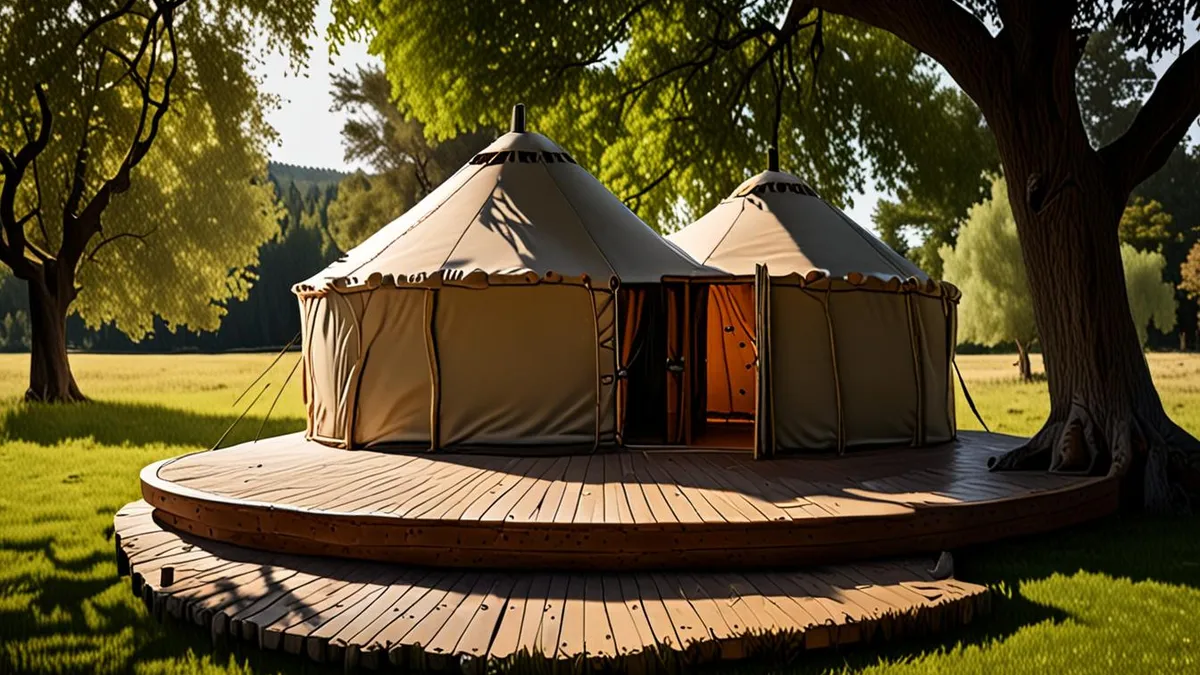
Don’t assume air conditioning. In warm months, the checks flip: look for shade over or around the unit, mesh screens on windows and doors to keep insects out while letting air move, and good cross-ventilation through vents or roll-up sides. A tent in full afternoon sun can get dangerously hot for a napping baby, so ask which way the unit faces and whether trees or a canopy protect it. A site that can answer these questions clearly is usually one that has hosted young families before.
Sleeping Arrangements: Cots, Beds and Nap Space
Sleep is the currency of any trip with a baby or toddler, so treat the sleeping setup as a booking requirement, not a nice-to-have. First, confirm the site has a travel cot available and reserve it at least 2 weeks before arrival. Most sites hold only a few cots, and they go to whoever asked first. Get the reservation in writing with your booking confirmation, not as a verbal “should be fine.”
Next, ask about the actual beds. A double bed that suits two adults may be too soft, too high or too small to share safely with a toddler. Find out the bed sizes and whether your child can sleep safely in the main bed or would need a side rail to prevent rolls onto the floor. Some units offer bench-style daybeds that work well for toddlers with a bed rail; others have nothing suitable at all.
Protecting daytime naps
Nighttime is only half the equation. Daytime naps are where glamping layouts often fail, because canvas lets in light at dawn and a bright unit at 1 p.m. means a skipped nap and a miserable evening. Look for these features when comparing units:
- A separate sleeping area or partition — an inner bedroom, a curtained-off nook or a two-room tent lets one parent read by lamplight while the baby sleeps.
- Blackout options — ask whether the site provides blackout liners for the canvas windows or at least thick curtains; if not, pack portable blackout blinds that stick with suction cups.
- Distance from communal noise — a unit near the dining terrace or playground may be convenient by day but noisy through nap time, so ask for a quieter placement when you book.
- White noise potential — canvas is thin, so a small portable white noise machine helps mask birdsong, neighboring families and morning farm sounds.
Rainy days test nap space too, since you’ll all be inside the unit together for hours. If wet weather is a real possibility for your dates, it’s worth reading tips on how to stay dry and still enjoy glamping in the rain before you finalize your choice. A unit that sleeps well in bad weather is worth more than a prettier one that doesn’t.
Layout and Distances: Bathrooms, Kitchens and Terrain
Once you have a toddler on your hands, distance becomes everything. A unit that looks dreamy in the photos can turn into a logistical nightmare if the bathroom block is a five-minute walk away and your little one needs a diaper change right now. As a rule of thumb, pick a unit within 50-100 m of the bathroom and kitchen block. That short walk is manageable with a toddler on your hip, even in the rain or after dark.
Next, ask the site directly about the terrain between your parking spot and the unit. Are there steps? Is the path gravel, grass or paved? Can you get a stroller all the way to the door, or will you be carrying everything in trips? A quick email before booking saves you from discovering on arrival that your “stroller-friendly” unit sits at the top of a sloped gravel track. If you are bringing a double stroller or a wagon for gear, mention it specifically and ask whether it will fit along the path.
What the kitchen actually offers
Shared kitchen facilities vary enormously between sites, and this matters more with a baby than you might expect. Check whether the kitchen has a fridge for storing milk and prepared food, and a kettle for warming bottles and making porridge. Some sites offer little more than a hot plate and a sink, which is fine for adults but tricky when you are juggling bottles and simple toddler meals. If the facilities are basic, plan around it: bring a small cooler, a travel bottle warmer and food that needs no real cooking. For a clearer picture of what to expect on site, it helps to read up on shared bathrooms and kitchens at glamping sites before you commit.
One last practical tip: ask how far your unit is from the nearest water tap. Rinsing bottles, bibs and sippy cups several times a day is far easier when the tap is a short stroll away rather than across the whole site.
Safety and Site Setup for Little Ones
Glamping sites are generally relaxed, safe places, but the features that make them charming for adults, like open fires, ponds and wooden decks, deserve a second look when you are traveling with a toddler. Before booking, think like a child-proofing inspector and ask the site a few direct questions. Most owners answer honestly and appreciate the concern; if answers are vague, treat that as useful information too.
Size and layout of the site make a real difference. Smaller sites with 10-30 units usually offer a quieter, more toddler-safe environment than large resorts, simply because there is less traffic, less noise and fewer places to lose sight of a wandering two-year-old. Location within the site matters just as much: a unit set back from the access road, away from the water’s edge and not next to the communal fire pit will save you a lot of anxious supervision.
Then walk through the unit itself, at least virtually. Ask specific questions and note the answers:
- Deck and terrace railings: confirm that raised decks or terraces have railings on all open sides, and ask how high they are, since a low railing is little obstacle for a determined climber.
- Door locks: check that the unit door locks from the inside, so a toddler who figures out door handles cannot wander out unnoticed at night.
- Nearby hazards: ask whether there are ponds, steep slopes, ditches or unsecured firewood stacks close to the family units, and request a unit positioned away from them.
- Fire and stove setup: find out whether the wood stove or fire pit is fenced or set back, and whether you can safely store matches and lighters out of reach.
You will not find a glamping unit that is child-proofed like a home, and that is fine. The goal is simply to choose a site where the obvious hazards are a manageable distance away, so you can relax instead of hovering every second.
Booking, Timing and Budget for Family Glamping
Family-friendly glamping units are the most sought-after accommodations on any site, and they disappear first. The good news is that planning ahead is straightforward if you know the rhythm of bookings and prices. Here is how to approach it step by step.
- Book early for peak summer. For July and August stays, reserve 3-6 months ahead. Family-suitable units, the ones with cots, space and safe layouts, are the first to go, often long before standard units sell out. If you already know your dates, booking the moment reservations open costs nothing and removes the biggest source of stress.
- Budget for the family premium. Family-friendly units typically cost 20-40% more than standard tents or cabins. That extra covers more space, extra beds and often better facilities, so compare what is actually included rather than just the headline price. Ask for the full list of what comes with the unit before you commit.
- Plan around minimum stays. Most sites set a minimum stay of 2-3 nights on weekends. Factor this into your budget and your stamina; with a baby, a three-night stay often works better than two, since the first day is mostly about settling in.
- Pick your travel window. Aim for late May to early September in most temperate regions. This stretch offers the mildest conditions with a baby or toddler, avoiding cold shoulder-season nights while staying comfortably within the main season.
One more budget note: the 20-40% premium usually buys you genuine advantages, like a larger deck, a proper bed setup and proximity to facilities, so it is rarely money wasted. And if peak-season prices sting, consider early June or late August, when you often get nearly the same weather at a friendlier rate and sites are noticeably calmer. Midweek stays are another easy way to soften the cost, since weekend minimums and peak rates simply do not apply. Whatever you choose, once your dates are set, remember to request your cot and high chair well before arrival so the site can actually hold them for you. A short confirmation email a few days before you leave is a simple habit that catches any mix-ups while there is still time to fix them.
The Pre-Booking Checklist in Brief
Glamping often looks baby-friendly in photos, but one missed detail can turn a promising trip into a struggle. A unit with no overnight heating, a cot that was never actually reserved, or a long walk to the bathroom with a tired toddler are the things that undo family stays most often.
Before you book, run through the essentials: confirm overnight heating, a reserved cot and a safe sleeping setup; check distances to the bathrooms and kitchen block, plus stroller-friendly paths; and book 3-6 months ahead for July and August, budgeting 20-40% more for family units. A few emails before paying a deposit will answer most of these questions, and good sites are used to being asked. If this checklist helped you plan your own trip, leave a comment or share the article with another traveling family.