Booking a hotel room and unsure whether the breakfast option is worth the extra cost or what “continental” actually means? You are not alone. The hotel breakfast is one of the most confusing add-ons in travel: sometimes it is a bargain, sometimes it doubles the price of your morning coffee and pastry, and the labels rarely explain what you actually get.
This guide breaks down the three main types you will encounter. We explain what a continental breakfast really includes, how a buffet works and what to expect from it, and what full options like English, American and Asian styles put on the plate. We also look at typical costs and when paying extra makes sense, cover practical details such as service hours and early-departure options, and finish with advice on matching the right breakfast type to your trip. By the end, you will know exactly when to tick that breakfast box at booking and when to walk out the door and find a café instead.
What a Continental Hotel Breakfast Actually Includes
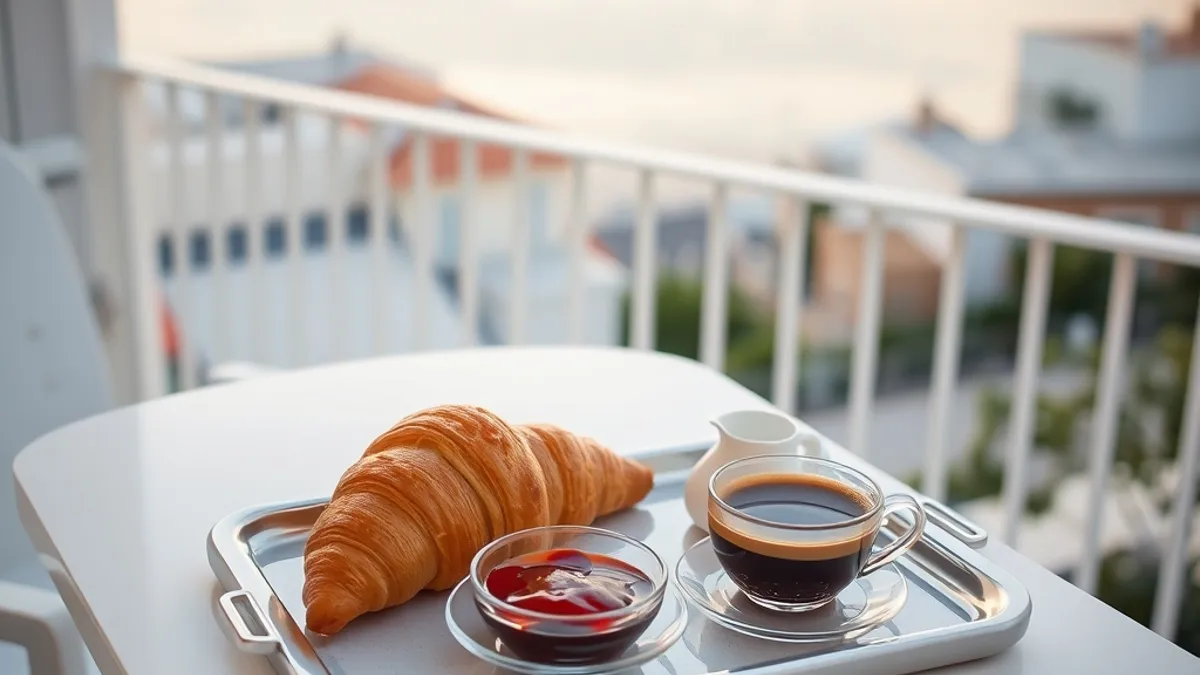
A continental breakfast is the lightest and simplest option a hotel offers. The core setup is almost always the same: bread or pastries, jam, butter, coffee or tea, and usually a glass of juice. That is the foundation, and in many smaller European hotels it is genuinely all you get.
Common extras in Europe
In continental Europe, the spread often stretches a little further. Expect cheese and cold cuts, a couple of yoghurt pots, and hard-boiled eggs you can peel yourself. Some hotels add fruit, muesli or a small selection of cakes. Nothing is cooked to order, which keeps costs low for the hotel and keeps the whole thing quick for you.
Why the name stuck around
The term dates back to a time when hotels offered travelers a light, no-cook alternative to the hearty cooked breakfasts of Britain and America. It was designed to be eaten quickly and without fuss, and that original idea still shapes what lands on the table today.
A continental breakfast works best on short city stays. If you plan to have your main meal out at restaurants and just need something small before heading out the door, it covers the basics without slowing you down or costing much.
Buffet Breakfast: How It Works and What to Expect
A buffet breakfast is the opposite of a fixed plate: you serve yourself from a long spread, usually covering 20–40 items in a mid-range European hotel. Typical offerings include scrambled or boiled eggs, bacon, several cereals, fresh fruit, pastries and, in some regions, salads and cold dishes as well. You take what you want, go back as often as you like, and stop when you are full.
Pricing is simple: a fixed price per person regardless of how much you eat, usually 15–30 EUR in city hotels. That makes buffets good value for big appetites and a poor deal for anyone who just wants coffee and a roll. If you are comparing hotels, the star rating system gives a rough hint of what to expect, since higher-category properties generally offer wider selections and more service at breakfast.
Regional variations worth knowing
Buffets reflect local eating habits. Mediterranean hotels lean towards savoury spreads with cheeses, olives, cold meats and vegetables, while Nordic hotels tend to focus on fish, breads and crispbreads. Neither approach is better; it just helps to know before you arrive so you are not surprised by the absence of bacon.
Made-to-order stations
Larger properties often add live cooking counters, most commonly an omelette station or a pancake counter where a chef prepares your order while you wait. These stations are usually included in the buffet price, and they are one of the clearest signs you are in a bigger, more service-oriented hotel.
Full Breakfast Options: English, American and Asian Styles
A full breakfast means a hot, cooked plate rather than bread and coffee. It is the heaviest option on the menu and the one designed to keep you going for hours. The most famous version is the full English: eggs, bacon, sausage, beans, grilled tomato and toast. It is a substantial plate, coming in at roughly 700–1,000 calories, so it easily replaces a meal rather than just starting the day.
American-style hotel breakfasts share the hot-cooked spirit but swap the components: pancakes, waffles and hash browns take center stage, and coffee refills are typically bottomless. In Asia, hotel breakfasts look completely different again, with rice, soup, noodles and dim sum items commonly on offer alongside or instead of Western choices.
- Full English: the baked beans and grilled tomato add moisture and a bit of acidity that balances the heavier fried elements on the plate.
- American style: sweet items like pancakes and waffles usually come with syrup and butter on the side, so you control how indulgent the plate gets.
- Asian hotel breakfasts: noodle and soup dishes are often served from steaming stations, so you can build a bowl to your own taste.
This style of breakfast suits travelers with a full sightseeing day ahead. A hot plate in the morning delays the need for a lunch stop, letting you spend more hours at museums, on trails or on the road before hunger catches up with you.
Hotel Breakfast Costs and When It Is Worth Paying
Hotel breakfast pricing follows a fairly predictable pattern. If breakfast is not bundled into your rate, a continental add-on typically runs 5–15 EUR per person, while a full hot breakfast or buffet usually costs 15–30 EUR per person in European city hotels. Those numbers help you do quick math at booking time: a couple paying 25 EUR each per day for a buffet adds 50 EUR to the daily bill, which can rival the cost of a nice lunch out.
Timing matters as much as the price itself. Hotels often charge a small premium if you decide at the front desk rather than adding breakfast when you reserve, commonly around 2–5 EUR more per day. Booking ahead also makes it easier to compare rates honestly, since some deals quietly exclude breakfast while others include it.
A simple rule of thumb works well in most cases. Breakfast is usually worth paying for when it costs under about 10 EUR, or when you need to leave before 9:00 and there are no cafés or bakeries open nearby. It stops making sense when the price climbs toward the full buffet range and your mornings are flexible.
Watch out for rate inflation, too. If a room jumps more than 15–20 EUR per night just to include breakfast, you are effectively paying well over the odds for what the kitchen serves. In that case, book the cheaper room and eat out. This is one of several add-ons that quietly inflate your bill, so it pays to review other charges like parking and resort fees before you commit — our guide to common hotel hidden fees and extra costs breaks those down in detail.
- Per-person pricing: most hotels charge breakfast separately for each guest, so a “cheap” 12 EUR add-on becomes 24 EUR per night for a couple — multiply before you compare rates.
- Children’s discounts: many family-friendly properties let young kids eat free with a paying adult, which can swing the math heavily toward adding breakfast at booking.
- Voucher flexibility: if you skip a prepaid breakfast day, some hotels won’t refund it, while pay-at-the-desk charges only apply on days you actually show up.
- Rate comparison trick: check the same room type with and without breakfast at booking, then compare that gap against the walk-in breakfast price to see the real markup.
Breakfast Hours, Service Styles and Practical Details
Most hotels serve breakfast in a fairly narrow window, typically from 7:00 to 10:00 on weekdays. On weekends the service usually stretches a bit later, often until 10:30 or 11:00, since fewer guests are rushing off to work or early tours. That said, times vary by property and region, so it pays to check the exact hours at reception or in your booking confirmation rather than assuming.
Early checkouts and room service
If your flight or train leaves before the kitchen opens, ask the front desk the evening before about a takeaway box or a pre-ordered tray. Many hotels will pack bread, fruit, pastries and coffee to go for guests with a pre-7:00 departure, but most only do this on request, and some need a full day’s notice. It is one of those small questions that saves you from starting a travel day hungry.
Room service breakfast is another option, but read the fine print. Beyond the menu prices themselves, hotels typically add a tray or delivery charge of around 3–8 EUR per order. For a couple ordering separately, those fees add up quickly, so sharing one order is often the smarter move.
Timing your visit to the buffet
Breakfast rooms get noticeably crowded between roughly 8:30 and 9:30, when tour groups and families all descend at once. Arriving before 8:00 usually means fresh stock, empty tables and no queue at the coffee machine. If you like a slower start, the last half hour can also work, though popular items may be running low by then.
One more practical note: if you are still deciding between room categories, the details in how to pick the right hotel room type can help you avoid booking a rate that looks identical but bundles breakfast differently.
Choosing the Right Breakfast Type for Your Trip
The best breakfast choice depends less on the hotel and more on your itinerary. If you are on a city break with restaurant reservations every evening, a heavy hotel breakfast can eat into your appetite and budget. A simple continental option, or no breakfast at all, often makes more sense when cafés and bakeries surround your hotel.
Families and road-trippers have different needs. Children rarely agree on one food, and a buffet lets everyone pick something they will actually eat. Flexible timing also helps when you are loading a car or dealing with a late riser.
- Match breakfast to your pace: a full hot plate of roughly 700–1,000 calories can carry you through a long sightseeing day and delay the need for a lunch stop.
- Read rate descriptions line by line: two room types can look identical on a booking site, yet one bundles breakfast and the other does not, so check the inclusions box before paying.
- Think about timing flexibility: a buffet absorbs late starts and early departures better than a plated service with a fixed schedule.
- Consider kids’ preferences: cereals, fruit and made-to-order stations give picky eaters options a set menu cannot.
Finally, remember that the cheapest rate is not always the best deal once you add breakfast separately. Compare the room-only price plus breakfast against a bundled rate, and factor in how many mornings you will realistically eat at the hotel rather than out.
The Bottom Line on Hotel Breakfasts
So, is hotel breakfast worth the extra cost? It comes down to three simple categories. Continental means light and cheap, buffet means variety at a fixed price, and full means a proper hot plate to start your day. Once you know which one a hotel is actually offering, the decision gets much easier.
Prices cluster in predictable ranges: expect around 5–15 EUR per person for continental options and roughly 15–30 EUR for buffet or full hot breakfasts in European city hotels. Book breakfast in advance when you genuinely want it, since adding it at the desk often costs a few euros more per day. Skip it when cafés surround your hotel and you would rather spend that money on a local pastry instead. If this guide helped you sort out your next booking, leave a comment or share it with a fellow traveler.