You’ve found a lodge you love, but the listing says “half-board” and you’re not entirely sure what that covers. Does it include drinks? Is lunch part of the deal? And is the nightly rate actually good value, or are you paying a premium for meals you might not want?
This guide walks you through exactly what a half-board lodge stay involves, what typically sits inside the rate and what gets added to your bill, and what you can expect to pay at lodges in Europe and on safari. We’ll also look at when half-board genuinely saves you money, how to compare prices before booking, and the questions worth asking the lodge directly. By the end, you’ll know whether half-board suits your trip and your budget.
What Is a Half-Board Lodge Stay?
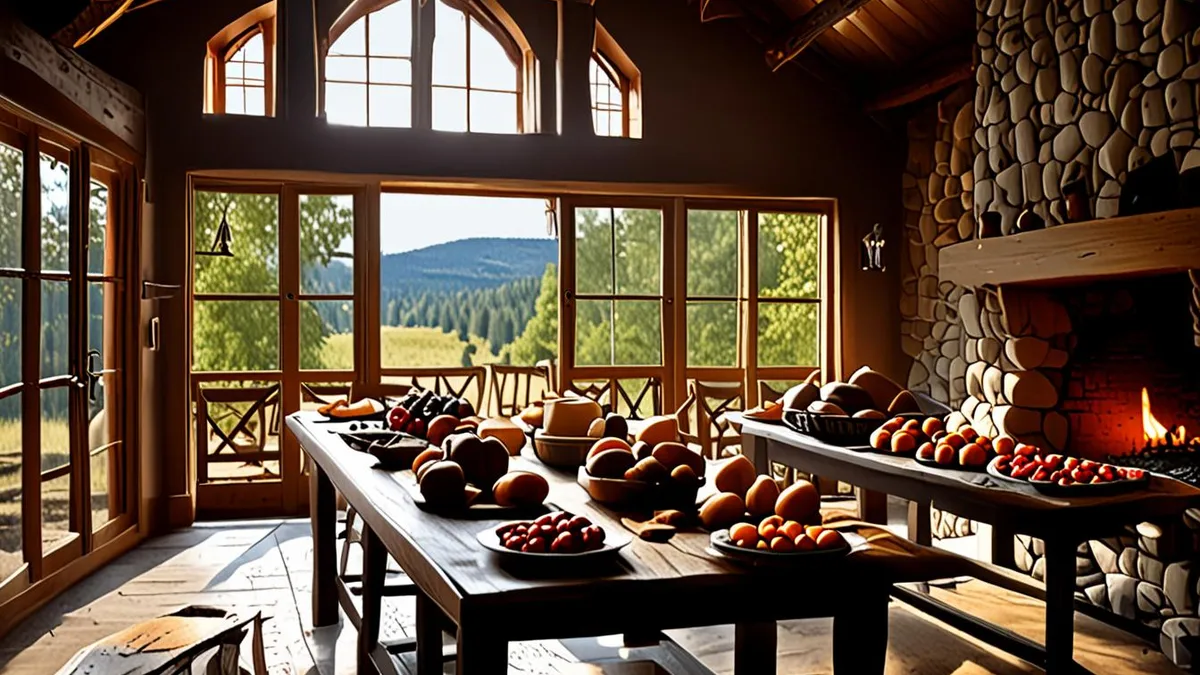
Half-board means two meals a day are included in your room rate: breakfast plus dinner. At most lodges, breakfast is a buffet or a cooked-to-order spread, while dinner is usually a set multi-course menu served at a fixed time. It’s the middle option between feeding yourself and having everything handled for you.
Lunch is not part of the package. If you’re out hiking or on a game drive all day, many lodges will prepare a packed lunch for an extra charge, and most also serve bar snacks or a light lunch menu you can order on site.
How it differs from full-board and all-inclusive
The confusion usually comes from mixing up the three main board types. Full-board covers all three meals: breakfast, lunch and dinner. All-inclusive goes further still, bundling meals with drinks and often activities as well. Half-board sits in between, covering your two anchor meals of the day and leaving lunch, snacks and drinks to you.
For many travelers, that’s actually the sweet spot. You get a solid start to the day and a proper dinner without paying for a lunch you might skip anyway.
What’s Included and What’s Extra
Dinner at a half-board lodge is often a fixed menu with two or three courses, sometimes with a choice between two mains. The kitchen usually announces the evening menu at breakfast or posts it in the lounge during the afternoon, so you know what’s coming before you sit down. On busy nights at popular lodges, arriving promptly at the stated dinner time makes the whole evening smoother.
Dietary needs are generally accommodated, but tell the lodge in advance rather than at the table on your first night. Remote kitchens often shop for the week ahead, so a heads-up a few days before arrival gives the chef time to plan proper alternatives instead of an improvised plate.
The extras are where bills grow quietly. A few items to keep in mind:
- Drinks with dinner are almost always charged separately, often $5-10 per glass of wine, and a bottle can cost several times the restaurant retail price
- Packed lunches can usually be added for roughly $10-20 per person per day, handy for hiking or game-drive days when you’ll be away at midday
- Bar snacks and afternoon coffee with cake are typically billed to your room, so keep a rough tally as the stay goes on
- Tips for serving staff are usually not included in the rate, so factor in a small amount per dinner if service has been good
None of this makes half-board a bad deal, but knowing what sits outside the rate helps you budget the stay properly rather than being surprised at checkout.
How Much Does a Half-Board Lodge Stay Cost?
So what does a half-board lodge stay actually cost? At European lodges, expect roughly $150-300 per person per night. At safari lodges, where meals, staffing and remote logistics push prices up, the typical range is $250-500 per person per night. These are broad figures, and individual lodges vary widely, so treat them as a starting point for your budget rather than a quote.
Remember that the nightly rate is only part of the picture. Drinks with dinner are usually billed separately, and optional extras like packed lunches can shift your total. If you want to see how these numbers fit into the full cost of a trip, this budget breakdown of lodge stay costs walks through the details.
When in the year you book matters
Timing has a big effect on price. In the Alps, the winter season runs roughly from December to April, with the summer season following from June to September. Peak weeks within those windows command the highest rates, and the same rooms can cost noticeably less outside them. Shoulder periods, either side of the busy months, are often where the better value sits.
If your dates are flexible, shifting your trip by even a week or two either side of the peak can be the simplest way to bring a half-board stay within budget. Alpine lodges in particular see sharp swings between high season and quieter weeks, so it pays to compare a few date options before committing. Check current rates directly with the lodge, since pricing changes from season to season and from year to year.
When Half-Board Is Worth It
Half-board delivers its clearest value where there simply is no alternative. If a lodge sits deep in a safari reserve or high on a mountainside and the nearest restaurant is more than 30 minutes away by car, dinner at the lodge is not really a choice — it is the only practical option. Paying for the meal plan in that setting removes the hassle of driving back down a dark mountain road after eating.
Active trips are the other natural fit. After a full day on the slopes or a long hike, few people want to research restaurants, drive anywhere, or wait for a table. Half-board means you shower, walk to the dining room, and a set dinner is served at a predictable hour. That routine also helps you pace the next day’s activities sensibly.
The picture changes in a valley or town location. If the lodge sits within walking distance of several affordable restaurants, a fixed dinner menu may cost more than eating out — and you lose the chance to sample local food. Before committing, it helps to weigh what a mountain lodge versus a valley lodge actually offers, since location usually decides whether the meal plan pays off: how to choose between a mountain lodge and a valley lodge.
- Safari lodges: dinner is often served communally, so half-board also comes with a social evening around the fire and a chance to swap wildlife sightings with other guests.
- High-altitude mountain lodges: some operate a set dinner seating time so kitchen staff can finish service before the evening avalanche or weather check, meaning late arrivals may miss the meal entirely.
- Town or valley lodges: you can often mix and match — take breakfast only and eat dinner out on the nights when a local restaurant or food market looks more appealing.
- Rest days: even on active trips, a packed lunch option (usually an extra fee) bridges the gap on the one day you skip half-board dinner and order in or eat out instead.
How to Compare Half-Board Prices Before You Book
A half-board rate can look like a bargain on paper and still end up costing more than eating independently, especially at lodges in towns or valleys where restaurants sit a short walk away. The trick is to compare like with like: take the quoted meal-plan rate, then add everything you will realistically pay for on top of it during the stay. A few minutes of honest arithmetic before you book tells you whether the plan actually saves money at that particular property.
- Add the cost of drinks to the quoted rate. Wine, beer and soft drinks with dinner are usually billed separately at lodge bars, and a glass or two each evening adds up quickly over a week. Ask the lodge for its typical drink prices when you enquire, and build that amount into your total before comparing it with anything else.
- Price the room-only alternative realistically. Take the room-only rate, then add what dinner and breakfast would cost at nearby restaurants — including a tip and any taxi fare if the lodge is remote. Only the difference between that total and the half-board rate tells you the real saving, not the headline percentage the lodge advertises.
- Check what lunch would cost on top. Half-board covers two meals, so if you plan to order packed lunches for hiking or safari days, add them to the total. That way you are comparing full days of food, not just evenings, and the comparison stays fair.
- Book early for peak weeks. For peak winter and summer dates, booking 3-6 months ahead gives you the widest choice of lodges and the best half-board rates; late bookers often pay a premium or find meal plans sold out entirely.
Run this math once and you will know within a few minutes whether the meal plan genuinely saves money at that particular lodge. Rates vary widely between properties, so the same calculation can flip from “skip it” to “book it” depending on where you stay. A remote safari camp with no restaurants nearby is a very different proposition from a valley lodge surrounded by affordable trattorias, even if the quoted rates look similar. Do the comparison for each property on your shortlist rather than deciding once and applying the answer everywhere — meal plans reward scrutiny, not assumptions.
Questions to Ask the Lodge About Half-Board
Half-board arrangements differ more between lodges than most travelers expect, so a few questions before booking will prevent surprises at check-in. Good lodges answer them clearly; vague answers are themselves useful information.
The most important question concerns the dinner itself. Some lodges serve a fixed multi-course menu with no alternatives, others offer a choice of two or three mains, and a few let you order from the regular menu with a credit. Ask specifically how the kitchen handles dietary requirements, since a set-menu kitchen and an à la carte kitchen manage this differently.
Meal times matter more than they sound, especially on ski trips. Dinner at some ski lodges starts early — sometimes around 6:30 or 7:00 pm — because guests need an early night before the next day on the slopes. If you arrive back late from a day out, confirm whether the kitchen will hold a plate or whether you simply miss the meal. Families should also check the children’s rate: many lodges offer a reduced half-board price for kids, but what it covers varies. For a fuller pre-booking checklist, see how to choose a family lodge and what to check first.
- Dinner flexibility: ask whether you can swap the dinner to lunch on one day, which some lodges allow if you plan a long excursion or a special meal out.
- Children’s coverage: confirm whether a reduced child rate includes the same multi-course dinner as adults or a simpler kids’ menu, and from what age the adult rate applies.
- Allergy procedures: ask how the kitchen manages cross-contamination for serious allergies, and what level of detail they need from you in advance.
- Meal-time consequences: find out what happens if you miss dinner — some lodges offer a cold plate or a light supper, others simply charge for the unused meal.
Wrapping Up: Is a Half-Board Lodge Stay Right for You?
So, what does half-board actually mean at a lodge? In short, it covers breakfast plus dinner each day, and it typically adds 20-40% to the room-only rate. Whether that saves you money depends on where you’re staying: it offers the best value at remote lodges and on active trips like skiing or hiking, and much less so in town locations surrounded by affordable restaurants.
To get a fair deal, compare the total cost including drinks rather than just the headline rate, and book 3-6 months ahead for peak winter and summer dates to secure the best half-board rates. If the numbers add up for your trip, half-board can make a lodge stay feel effortless. Have you stayed half-board at a lodge? Share your experience in the comments or pass this article along to a fellow traveler.